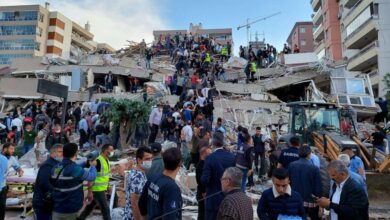
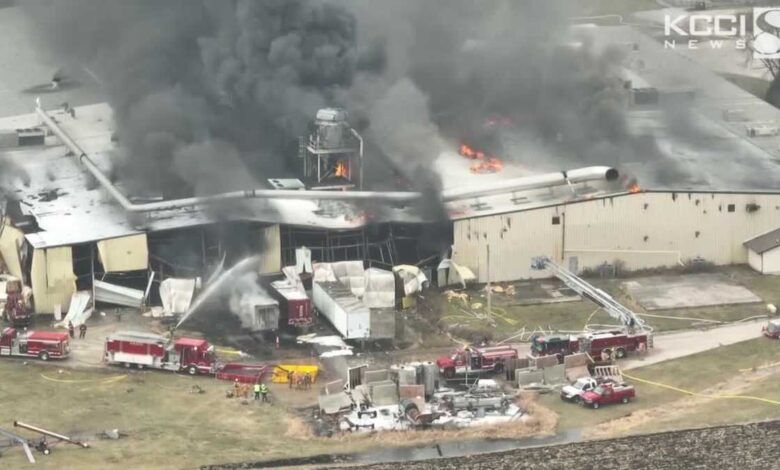
The immediate human impact was significant but contained. University of Iowa Hospitals and Clinics in Iowa City reported receiving between 10 and 15 patients injured in the incident. According to officials, the majority of these injuries fell into the minor to moderate category, with most patients being treated for burns and trauma. While specific medical conditions were not detailed by the hospital, the nature of the injuries suggests direct exposure to the fire or the physical force of the explosion.
Personnel safety became a primary focus in the minutes following the blast. Iowa State Patrol Senior Trooper Bob Conrad confirmed that at least 30 people were inside the plant at the time of the explosion. In a statement to the Des Moines Register, Conrad noted that all individuals present have been accounted for, a critical detail that underscores the orderly, albeit urgent, nature of the evacuation and recovery efforts.
The environmental and community response was swift. As the fire continued to burn, generating dense smoke, the Marengo area Sheriff’s Department advised residents living at a safe distance from the facility to remain indoors. This precaution was taken to avoid exposure to the smoke, which traveled far from the source due to its height and volume. Nearby residents were evacuated, a standard protocol for industrial fires with potential air quality implications, although the specific chemical composition of the smoke was not detailed in the immediate reports.
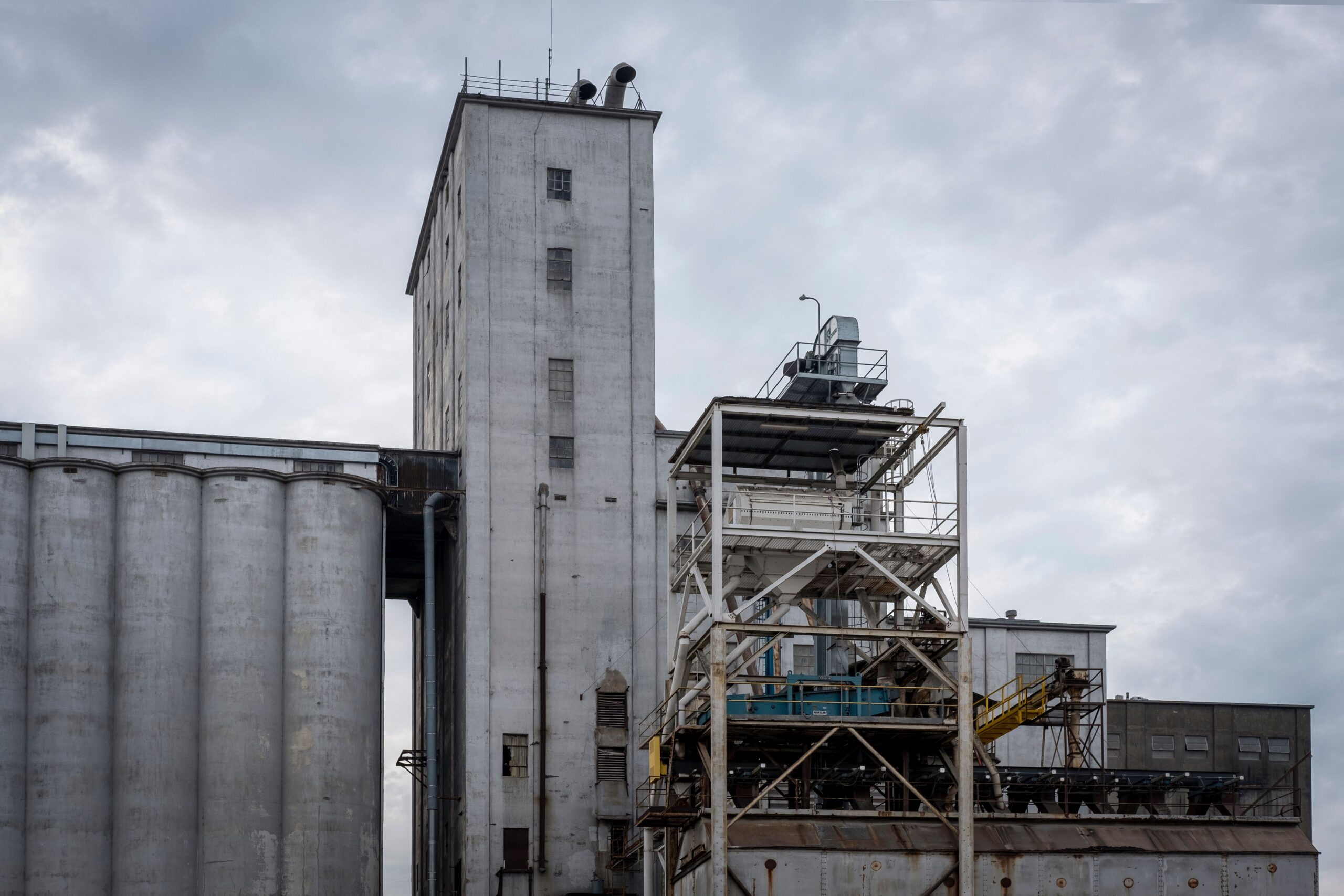
Cause and origin remain under investigation. At the time of reporting, it was not clear what triggered the explosion. The facility, identified as a soybean crushing company, processes agricultural products, but the specific mechanical or procedural failure that led to the incident has not yet been determined by authorities. The fire, which was still active during the afternoon, required sustained efforts from fire crews to contain. The duration of the blaze, potentially extending through the night, highlighted the challenges of managing industrial fires in agricultural processing facilities.
The incident illustrates the operational risks associated with large-scale agricultural processing. While soybean crushing is a routine part of the global food supply chain, the potential for catastrophic failure, as seen in Marengo, carries significant consequences for local communities and workers. The evacuation and the hospitalization of personnel serve as a reminder of the safety protocols required in such environments. The lack of immediate clarity regarding the cause means that a full understanding of the event will depend on the ongoing investigation by state and local authorities.
As the immediate emergency response continues, the focus shifts from the acute phase of firefighting to the assessment of long-term impacts. The health of the injured workers and the air quality in the surrounding area will be monitored. For the community of Marengo and the wider region, the event serves as a stark reminder of the industrial activities that underpin the agricultural economy of Iowa. The investigation into the cause of the explosion will be crucial in determining if additional safety measures are needed at the facility or across similar operations in the state.