
The immediate impact of the flooding has been profound for the civilian population. With water levels rising rapidly, traditional modes of transport have become impossible in many areas. Residents have been forced to adapt by using kayaks, inflatable rafts, and even mattresses to navigate their own neighborhoods. Footage from the region shows individuals wading through floodwaters and transporting pets via small boats, illustrating the widespread nature of the inundation. In more severe cases, National Guard troops have been required to conduct high-water rescues, prioritizing the safety of those trapped by the rising water.
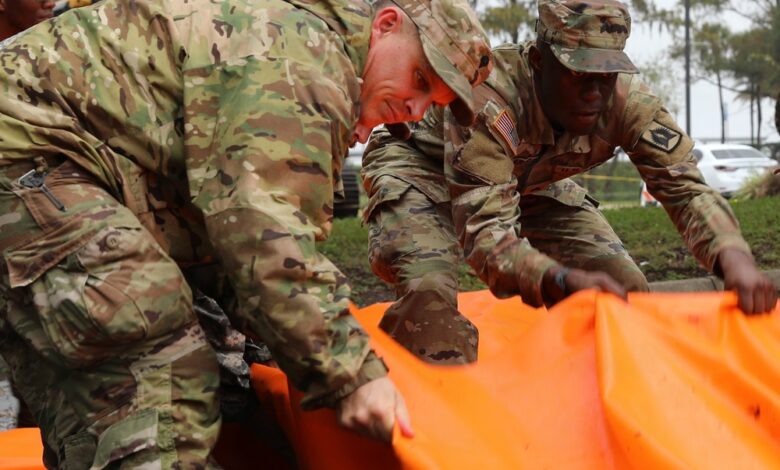
While civilian efforts focus on mobility and rescue, a more technical approach has been applied to safeguarding essential services. Florida National Guard soldiers, specifically members of Alpha Battery, 1st Battalion, 265th Air Defense Artillery Regiment, were tasked with constructing a temporary flood barrier to protect a Sanford hospital. This mission represents a specific application of the Guard’s dual state and federal role, activating members to provide Defense Support of Civil Authorities during natural disasters.
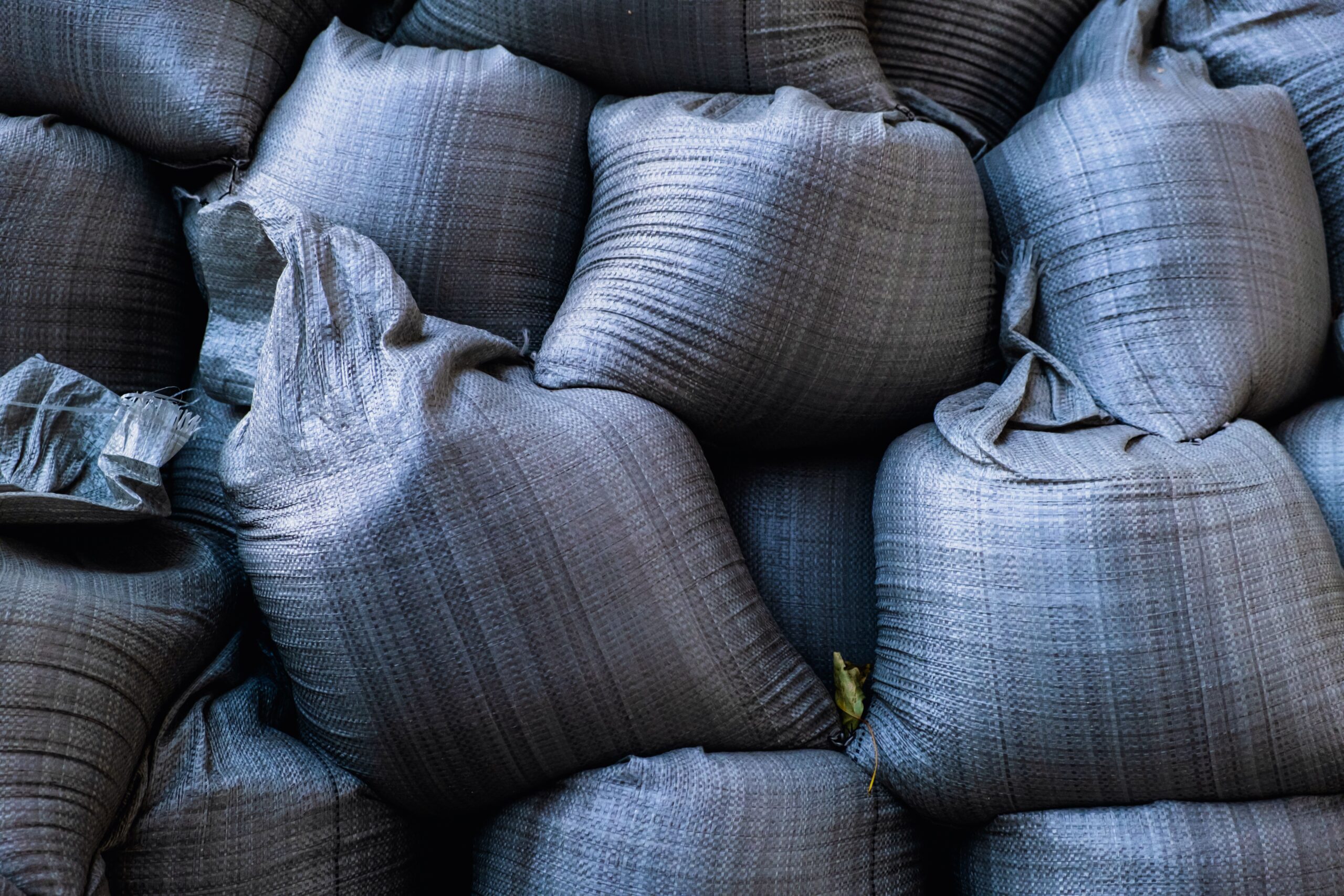
The solution employed was not the traditional sandbag, but a “Tiger Dam.” First Lt. Adam Szlembarski, an Air Defense Artillery officer with the battalion, explained that the Tiger Dam is a modular, reusable flood barrier system composed of interlocking water-filled tubes. Unlike static sandbags, these tubes can be fastened, folded, and bent up to 90 degrees, allowing them to conform to the shape of the body of water and the infrastructure being protected. Szlembarski noted that the primary objective was to position the dam between the rising water and the hospital, creating a physical shield to prevent flooding inside the facility.
The deployment of this technology required significant interagency coordination. Sgt. Maxwell Worthington, an Air and Missile Defense crewmember with the same battalion, emphasized that the success of the operation relied on close cooperation between the National Guard and local partners. The team worked alongside county emergency management personnel, public works crews, and local hospital staff to position and secure the barrier. For Worthington, the mission was not only about technical installation but about maintaining access for patients, employees, and emergency vehicles. “Cooperation has been going very well, and everyone is working together as a team to help stop the flooding,” Worthington stated. “Especially with this flooding, we help maintain hospital access to patients, employees, and emergency vehicles.”
The use of the Tiger Dam highlights a shift in civil defense strategies, moving toward more flexible and reusable engineering solutions for flood mitigation. Although Tiger Dams are not standard military equipment, the National Guard provided the necessary personnel and logistical support to county partners, leveraging their organizational structure to execute the installation. This collaboration illustrates a broader trend in disaster response where military units support civil authorities with specialized skills and manpower that exceed local capacity during extreme weather events.
The current flooding in central Florida is a result of days of heavy rain, a weather pattern that has increasingly tested the resilience of infrastructure in the region. While the specific meteorological drivers of this event are tied to local precipitation intensity, the response strategy reflects a growing recognition that extreme weather events require robust, multi-agency preparedness. The National Guard’s involvement, from high-water rescues to the installation of engineered barriers, demonstrates the critical role these units play in humanitarian support during times of crisis.
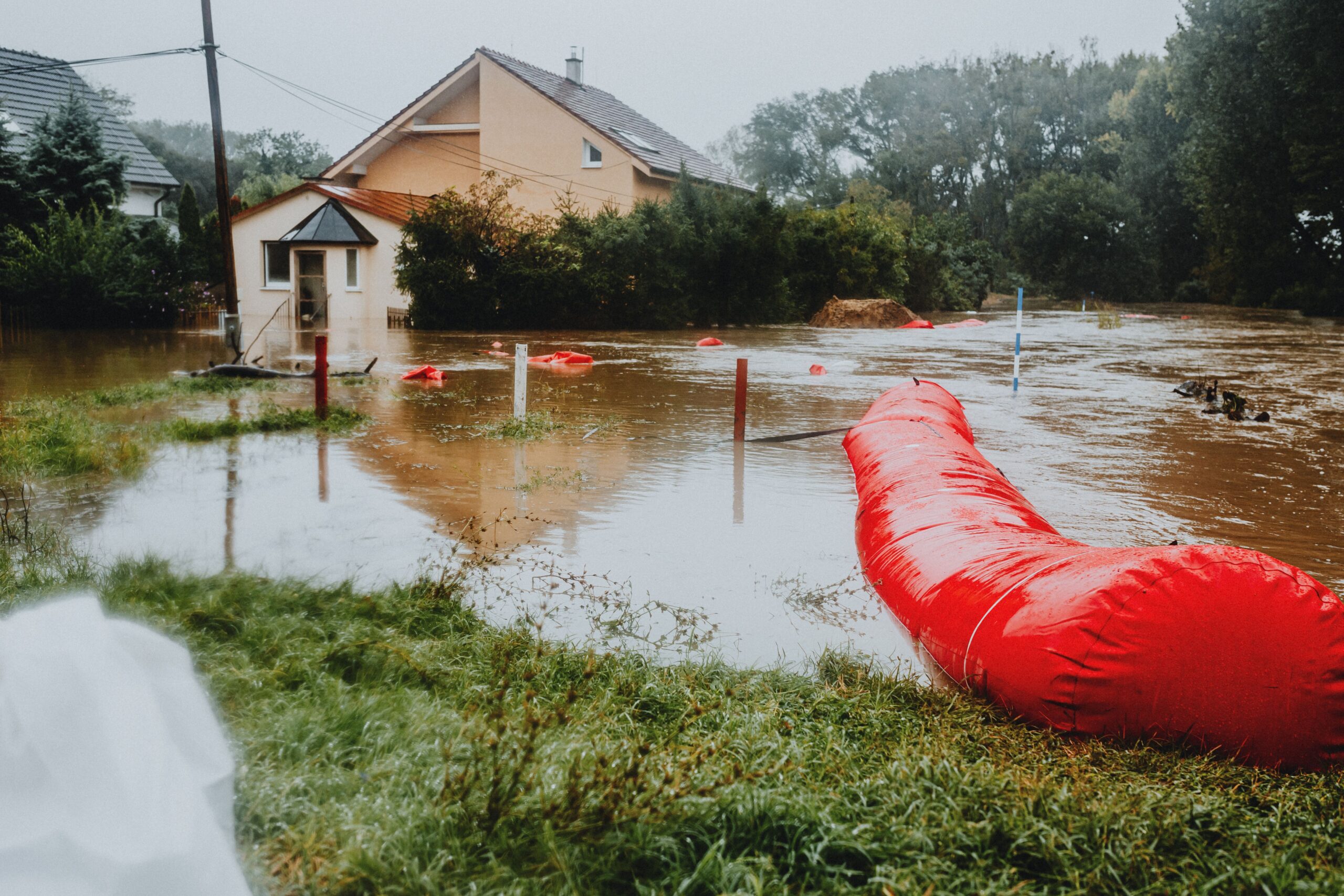
For the community, the immediate priority remains the stabilization of water levels and the restoration of normal access to essential services. The successful deployment of the flood barrier at the Sanford hospital serves as a case study in effective interagency cooperation, where military precision and local knowledge combine to protect public health and safety. As the waters recede, the focus will shift to recovery and assessment, with lessons learned from the installation of the Tiger Dam potentially informing future flood mitigation efforts in the area.
The situation in Florida continues to evolve, with monitoring of water levels and ongoing rescue operations remaining central to the emergency response. The event serves as a reminder of the fragility of infrastructure in the face of intense precipitation and the vital importance of coordinated, rapid-response measures to protect vulnerable populations and critical facilities.




One Comment