
Army Secretary Adam Telle defended the necessity of the action, stating, “A controlled, mitigated detonation of the lead azide here at Iowa Army Ammunition Plant is far preferable to an uncontrolled, spontaneous detonation of that substance.” The Army asserts that extensive safeguards are in place and that the operation will be conducted in coordination with state, local, and federal authorities. However, the plan remains controversial, with residents and environmental advocates expressing significant concern over potential health risks.
Lead azide is a compound of lead and nitrogen used in military ammunition as an initiating explosive, or primer, to set off larger charges. It is classified as a primary explosive, meaning it is extremely sensitive to physical impact, friction, and other stimuli. Scientists describe such compounds as “very dangerous” and “basically unhandle-able.” The material is a legacy of earlier military production eras; plans for its disposal began earlier this year when several dozen barrels were found to have degraded, creating an urgent safety risk.
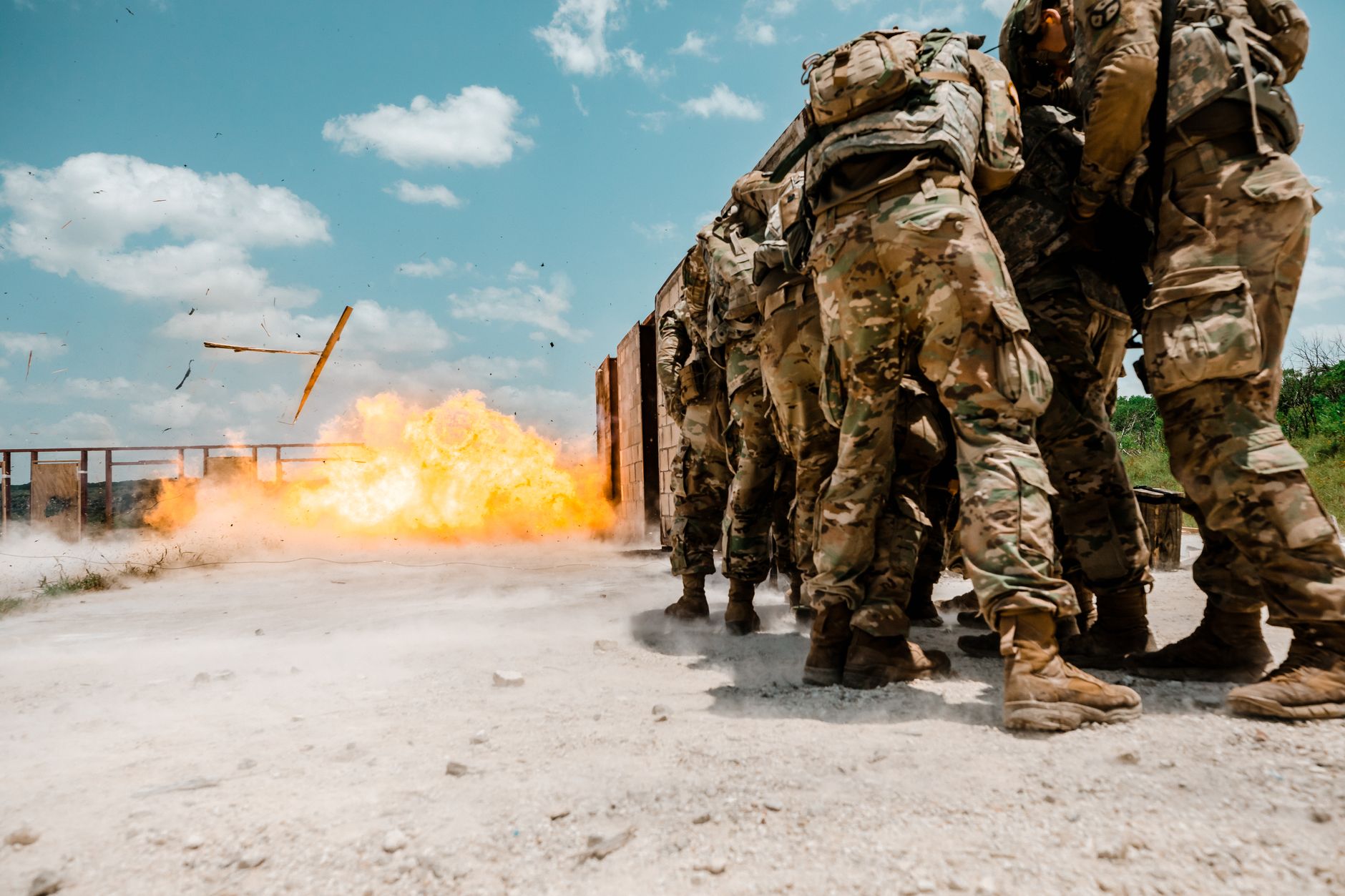
The primary concern for local communities is the potential release of hazardous lead dust. The Army warns that heating lead azide can produce byproducts including lead metal oxides, fumes, hydrazoic acid vapours, and nitrogen oxides. Lead is a potent neurotoxin with no known safe level of exposure. It can cause lasting developmental and neurological damage in children and pose serious risks to fetal development during pregnancy. The blast could theoretically send a plume of dust up to 100 miles, potentially exposing thousands of people, pets, and livestock in the rural area surrounding the plant.
While official assessments indicate that the controlled detonation is the safest option, local sentiment remains divided. Jill Holler, a local resident, noted, “Maybe this is the best option,” reflecting a mix of resignation and caution among the public. Environmental groups continue to argue that the risks are not fully mitigated, describing the situation as causing “so much fear, so much confusion” in the community. The Army maintains that the risks of leaving the degraded explosives in place are significantly higher than those of the planned controlled disposal.

The detonation is scheduled for Wednesday. State and federal authorities are on standby to monitor air quality and manage any immediate fallout. No independent verification of the specific safety metrics or containment efficacy beyond official Army statements is currently available.
