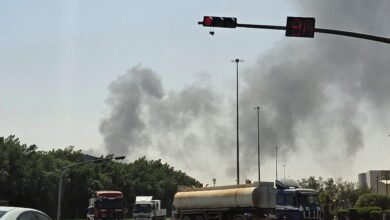
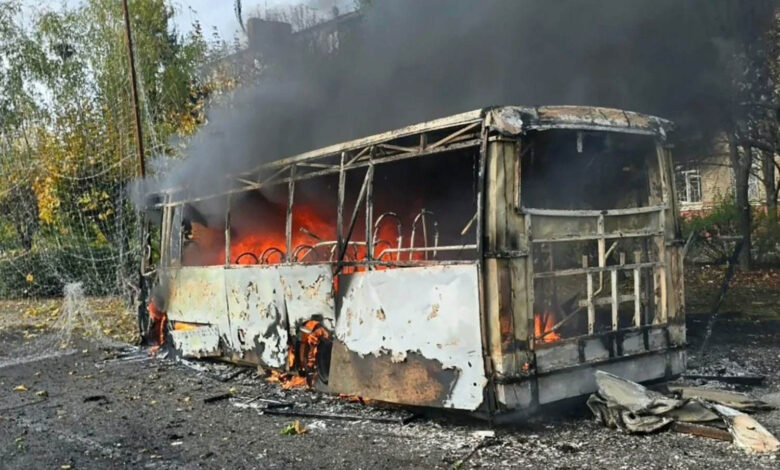
The attack took place on a street in the city of Kramatorsk, where police confirmed that two city buses were operating at the time of the strike. President Volodymyr Zelensky described the specific location as a bus stop, highlighting the presence of daily commuters and civilians in the immediate vicinity. The characterization of the event by Ukrainian authorities as a targeted strike on civilians emphasizes the intended impact on the population rather than solely on military assets. Kramatorsk holds significant strategic value as a stronghold sought by Moscow, making it a persistent focal point for Russian military operations in the Donbas region.
The operational context of the strike reflects the ongoing intensity of the conflict in eastern Ukraine, where Russian forces continue to exert pressure on key urban centers. The use of aerial bombardment in a densely populated area with active public transport systems illustrates the challenges facing civilian defense and evacuation efforts. The high casualty count, with over 50 individuals killed or wounded in a single incident, demonstrates the destructive potential of the weapons employed and the tragic consequences for local communities. The immediate military objective of such strikes appears aimed at degrading morale and disrupting the logistical and social fabric of cities that serve as critical nodes for Ukrainian resistance.
Logistical and geographic constraints in the region complicate emergency response and long-term recovery. The destruction of public transport infrastructure, such as the buses present at the scene, not only represents a direct loss of lives but also hampers the movement of remaining residents and emergency personnel. The political implications of the attack are significant, as it reinforces narratives of deliberate civilian targeting, potentially influencing international diplomatic stances and support for Ukraine. The incident adds to the growing list of casualties in a conflict where the line between military and civilian targets has become increasingly blurred in contested urban areas.
While the exact nature of the munitions used was not detailed in the immediate reports, the scale of the destruction and the high number of casualties suggest a high-yield explosive. The verification of the attack by multiple channels, including police releases and presidential statements, lends credibility to the reported figures, though the final toll may rise as rescue operations continue. The incident remains a stark reminder of the human cost of the war, with Kramatorsk serving as a symbol of both resilience and the devastating impact of sustained aerial campaigns on civilian life. The next confirmed developments will likely involve further investigations into the strike’s origin and continued defensive measures by Ukrainian forces in the region.
The aftermath of the Kramatorsk strike serves as a grim illustration of the broader strategic dynamics at play in eastern Ukraine. As Moscow continues to seek control over key strongholds, the risk to civilians in these areas remains paramount. The incident will likely be cited in ongoing discussions about the conduct of the war and the need for robust air defense systems to protect urban populations. Until such systems are fully deployed and effective, cities like Kramatorsk remain exposed to the full spectrum of aerial threats, making each day a test of survival for its residents.