Refinery Strike in Yaroslavl
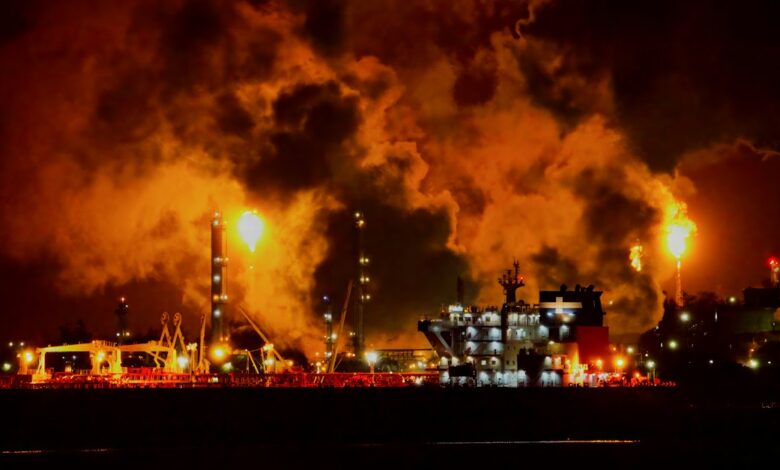
Mikhail Yevrayev, the governor of Yaroslavl region, confirmed on Tuesday that the local oil refinery was struck during the overnight assault. He reported that two workers at the facility were injured but did not provide specific details regarding the extent of the physical damage to the plant. The facility, known as Slavneft-Yanos, is a joint venture between Rosneft and Gazprom. It possesses a crude processing capacity of 300,000 barrels per day, equivalent to 15 million metric tons per year, making it a significant node in Russia’s fuel supply chain.
Kyiv has previously claimed that this specific refinery supplies fuel and lubricants for the Russian military, though these operational links are not independently verified in this report. The attack underscores the reach of Ukrainian long-range drones, which have increasingly targeted industrial assets hundreds of kilometers from the front lines. While the immediate tactical effect is localized to the refinery, the strategic implication lies in the potential disruption to fuel availability for both civilian use and military logistics in western Russia.
Wide-Range Drone Campaign and Interceptions
Russia’s Defense Ministry stated that it intercepted 856 Ukrainian drones across the country and annexed Crimea between Monday night and Tuesday morning. According to Russian officials, more than half of these drones were targeted at Moscow and the surrounding regions. The sheer volume of intercepts reported by Moscow suggests a massive coordinated wave, though the exact origin and type of these drones were not specified in the available reports.
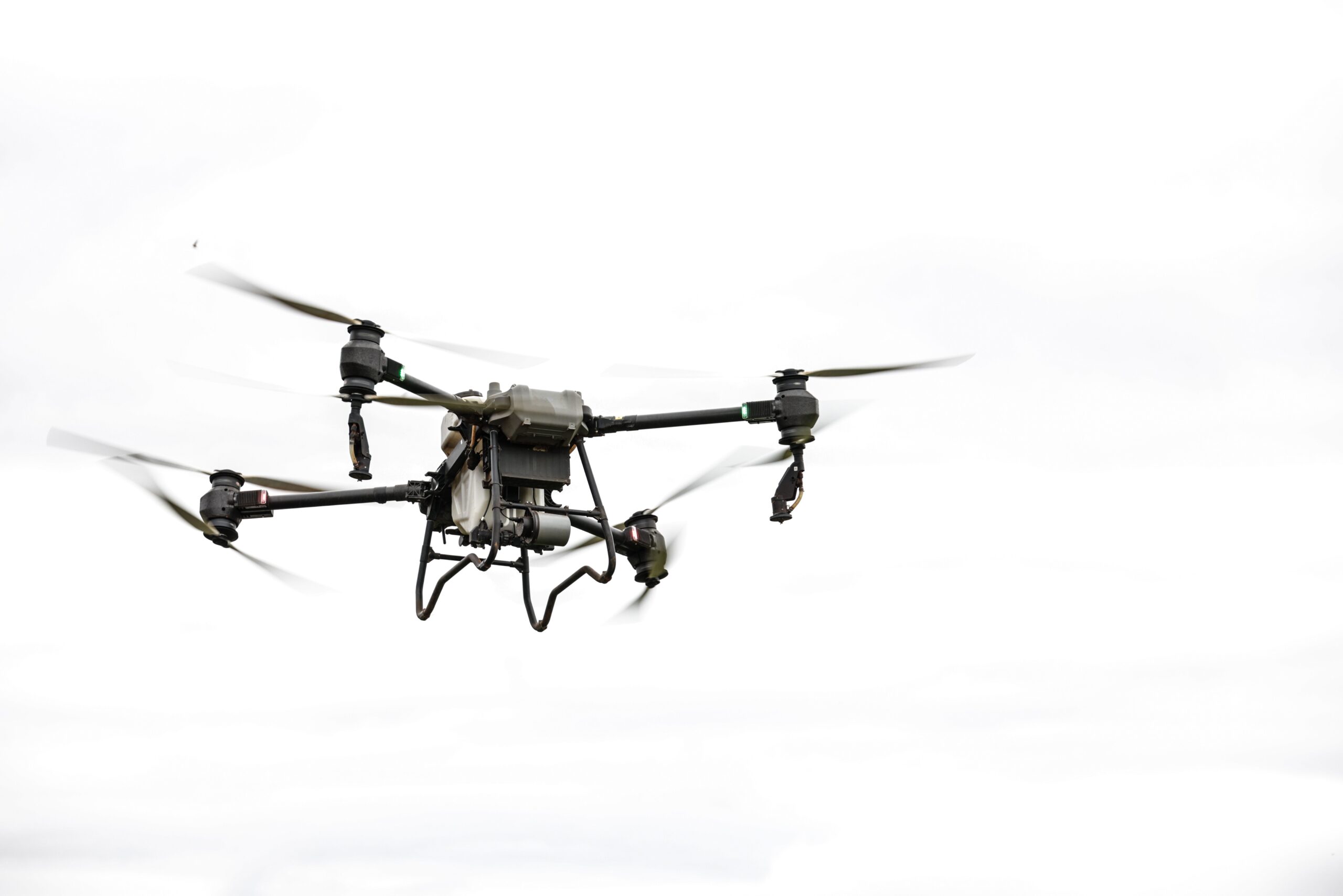
The distinction between announced interceptions and actual impacts remains a key analytical challenge. While Moscow claims high interception rates, the confirmed damage at the Yaroslavl refinery indicates that some drones successfully penetrated air defenses. This pattern reflects a broader operational trend where drone swarms are used to overwhelm air defense systems, allowing a fraction of the force to reach high-value targets.
Impact on Crimea’s Energy Grid
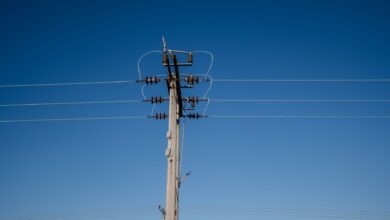
In annexed Crimea, the attacks had immediate consequences for civilian infrastructure. Kremlin-installed authorities reported that Ukrainian strikes on the regional power grid forced at least five cities on the Black Sea peninsula to introduce emergency power cuts. These outages highlight the fragility of Crimea’s energy network, which is heavily dependent on imports from mainland Russia via the Crimean Bridge and grid connections. Disruption in Crimea not only affects civilian life but also complicates the logistical support for Russian forces stationed on the peninsula.
Continued Russian Attacks on Ukraine
Concurrently, Russia continued its systematic targeting of Ukraine’s energy sector. Ukraine’s Energy Ministry reported damage to facilities in 10 regions, with emergency outages recorded in Kyiv and six surrounding oblasts. The Russian military confirmed that it targeted four power plants, two substations, and port infrastructure along the Danube River.

DTEK, Ukraine’s largest private energy company, stated that three thermal power plants were forced to shut down following the Russian attacks. These outages exacerbate the strain on Ukraine’s grid during the cold season, where demand for heating is at its peak. The dual nature of this exchange—Ukrainian strikes on Russian refineries and Russian strikes on Ukrainian power plants—illustrates a stalemate in which both sides are inflicting economic and humanitarian costs rather than achieving decisive military breakthroughs on the ground.
Strategic Context and Humanitarian Consequences
The strikes on energy infrastructure on both sides of the border have significant humanitarian implications. Power outages in Ukrainian regions disrupt heating, water supply, and medical services, while damage to Russian refineries may lead to fuel shortages and price increases. The repeated targeting of civilian energy grids raises concerns under international humanitarian law regarding the proportionality and distinction of attacks on dual-use infrastructure.
For the defense sector, these events confirm the operational viability of long-range drone campaigns as a primary tool for degrading enemy economic capacity. The ability to strike refineries and power grids deep inside Russian territory demonstrates that Russia’s air defenses, while extensive, are not absolute. Conversely, Russia’s ability to sustain high-volume attacks on Ukrainian energy assets indicates robust drone production and launch capabilities. The next phase of this contest will likely focus on whether these economic pressures can be sustained without exhausting the drone stocks of either side.