
European Disruptions and Military Response
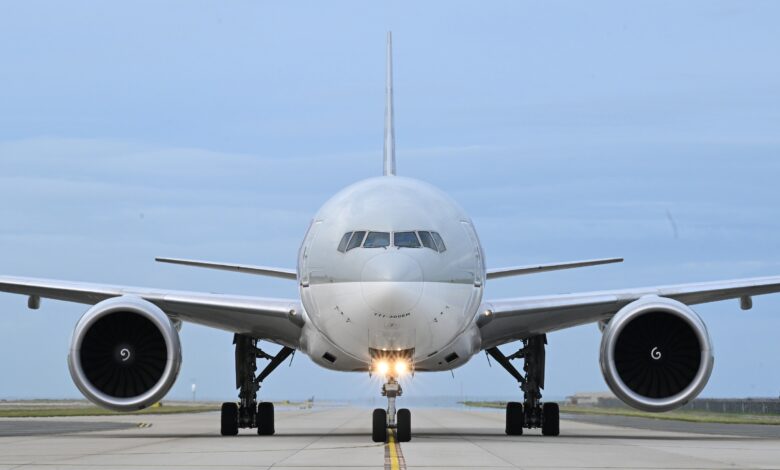
According to reports, bomb threats were received for flights in Copenhagen, Dublin, Helsinki, Madrid, Milan, and Warsaw. These threats triggered a cascade of operational responses, including diversions to nearby airports for emergency landings. In one notable instance, an Aer Lingus flight from Dublin to Rome was rerouted to a military air base in Evreux, Normandy, France. French Prime Minister’s office officials confirmed that Italian authorities had alerted French counterparts to the threat, resulting in a French warplane escorting the civilian aircraft to the base.
The aircraft landed safely, and all 151 passengers and six crew members were reported to be safe. Ground operations at Evreux were methodical: authorities questioned and screened the entire passenger manifest in groups of ten inside the airport terminal. Hours after the landing, the aircraft remained on the tarmac while explosive ordnance disposal experts, accompanied by detection dogs, conducted a thorough search of the fuselage. A Red Cross vehicle was also present at the site, indicating a preparedness for potential medical needs, though no casualties were reported.
Similar procedures were enacted elsewhere. A flight bound for Warsaw, Poland, diverted to Vienna, Austria, after authorities in Lower Austria received what a spokesperson described as an “abstract threat.” Inspectors found no hazardous materials, and the plane subsequently completed its journey to Poland. Other flights across the continent were described as facing “unfounded hoax bomb scares,” leading to lengthy inspections and delays. No injuries were reported in any of the European incidents.
US Incident: False Threat on Domestic Route
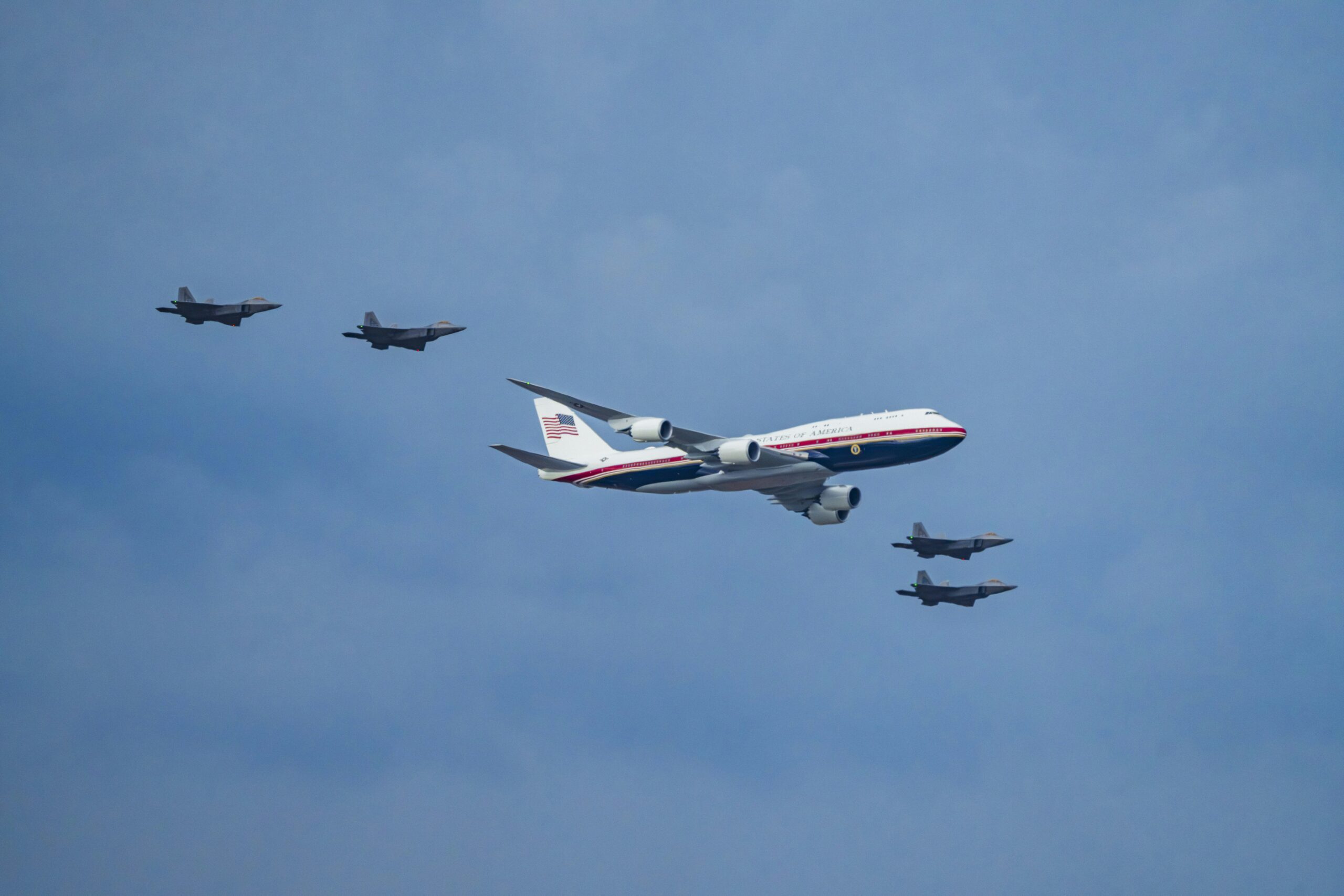
Separately from the European disturbances, a man was arrested in Louisiana after claiming to have a bomb aboard a United Airlines flight. The incident occurred on a Boeing 737 Max 9 traveling from Newark, New Jersey, to Louis Armstrong New Orleans International Airport. According to the Jefferson Parish Sheriff’s Office, the 34-year-old male passenger began acting irrationally late in the evening and told crew members he possessed a bomb.
The aircraft landed safely at New Orleans International Airport, where law enforcement officials met the plane immediately upon arrival. The man was taken into custody without incident and transported to the Jefferson Parish Correctional Center. He was booked on charges of communicating false information of planned arson and terrorizing. The Federal Aviation Administration (FAA) has announced plans to investigate the matter. United Airlines confirmed the landing was safe following a “disruptive incident involving a passenger,” noting that the aircraft carried 46 passengers and six crew members.
Strategic Context and Security Implications

The European incidents occur against a backdrop of heightened geopolitical tensions, with recent reports of drone incursions and attacks on infrastructure such as supermarket refrigeration systems. While the current bomb threats have been verified as hoaxes to date, their coordination across multiple jurisdictions—spanning France, Italy, Poland, and others—suggests a potential attempt to test air defense protocols or generate widespread panic. The use of military assets, such as the French warplane escort, demonstrates the readiness of national defense forces to support civil aviation security in response to credible threats, even if those threats ultimately prove unfounded.
From an operational security standpoint, these events underscore the fragility of the civilian aviation system to low-tech threats. The diversion of commercial airliners to military bases, such as Evreux, highlights the pre-planned interoperability between civilian aviation authorities and military command structures in Europe. However, the significant logistical burden placed on ground forces—requiring hours for manual screening and explosive searches—illustrates the high cost in terms of time and resources required to rule out threats. For the US incident, while tactical in nature, it reinforces standard security protocols for handling in-flight disturbances and false bomb claims, resulting in a swift arrest and continued flight operations without significant disruption to the broader network.
The distinction between these two sets of events is critical. The European incidents represent a coordinated, cross-border security challenge that involved military escalation and strategic signaling of defensive readiness. The US incident remains a localized law enforcement matter involving a single individual and a single flight. Authorities in both regions are currently focused on determining the motives behind the threats, with the FAA and various European agencies investigating the source of the communications and the potential intent behind the disruptions. Until investigations conclude, the precise nature of the European threat network—whether it is a state actor, a non-state group, or a coordinated hoax by individuals—remains an open question.