

Mexico has historically relied on its geographic proximity to the United States and its economic weight to secure its position in international organizations. However, contemporary analysis suggests that the country remains the only geopolitically significant region lacking professional intelligence services with external espionage and counterintelligence capabilities. This structural deficit, rooted in Cold War legacies that oriented intelligence agencies toward domestic surveillance rather than external threat assessment, has left the nation ill-equipped to handle the modern digital frontier. As artificial intelligence and social networks enable foreign agencies to maximize interventions from a distance, the traditional reliance on human intelligence (HUMINT) is no longer sufficient to protect state secrets or prevent digital havoc from spilling into physical conflicts.
The consequences of this institutional weakness are not merely theoretical; they are documented in the legal and political fallout surrounding the Pegasus spyware. In a recent development, Mexico’s Attorney General’s Office (FGR) announced an investigation into Tomás Zerón, the former intelligence chief of the now-defunct Criminal Investigation Agency. The FGR alleges that Zerón and other officials illegally purchased Pegasus spyware from the Israeli startup NSO Group for a total of USD $26,000 between 2012 and 2018. The software, capable of remotely hacking smart devices for surveillance, was used to monitor the lawyers of the parents of the 43 students who disappeared from the Ayotzinapa Rural Teachers College in 2014. Zerón, who fled to Israel in August 2019 to avoid prosecution for torture and forced disappearance, is now facing formal accusations of embezzlement, fraud, and misuse of authority.
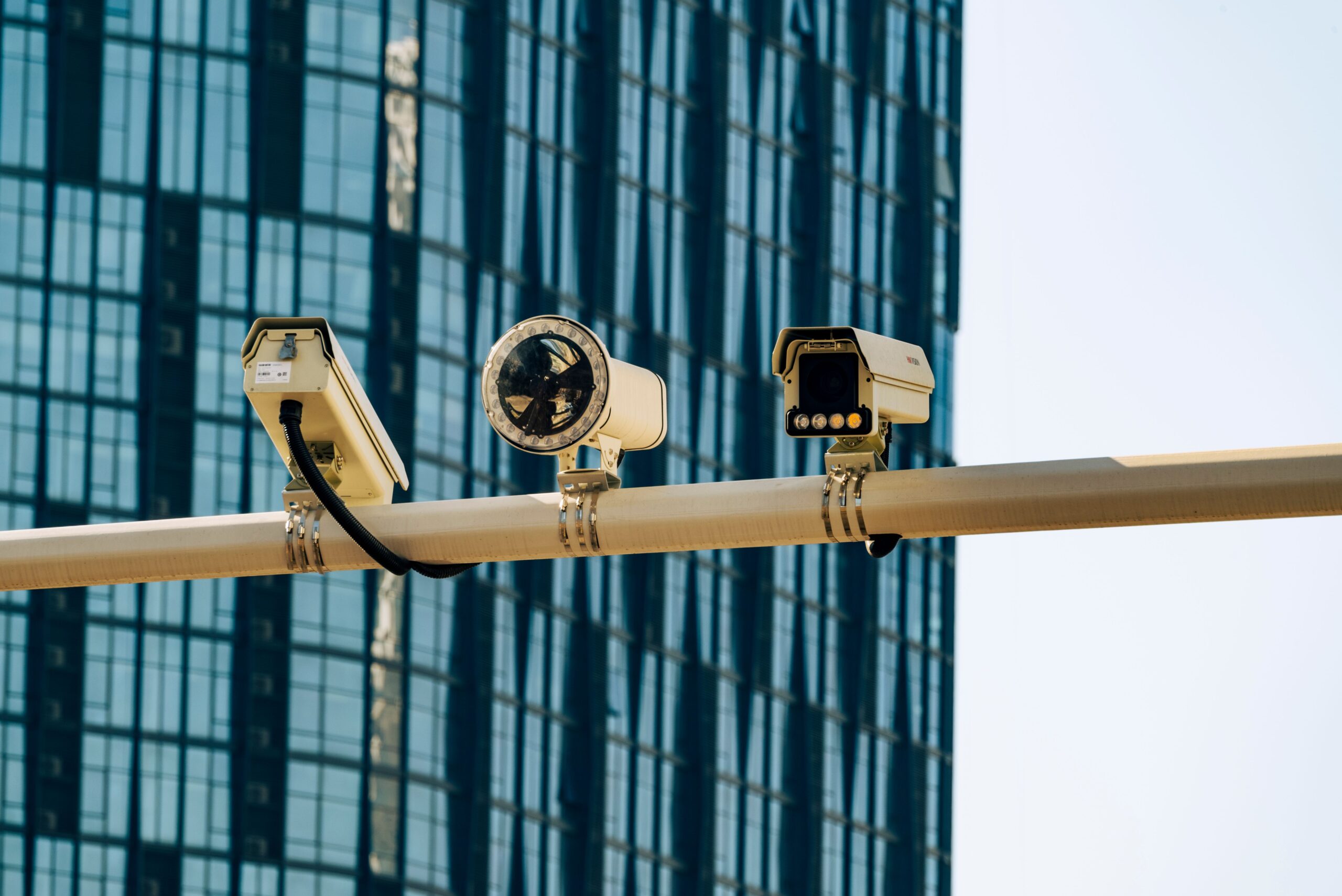
Despite the FGR’s assertion that the current administration has not used or acquired Pegasus, journalistic investigations and leaked documents suggest otherwise. The digital rights organization R3D uncovered that the Secretary of National Defense acquired the software in April 2019 and used it against two journalists and one activist investigating human rights violations by military members. In 2020, the military was found to have used Pegasus against human rights defender Raymundo Ramos after he began investigating the extrajudicial execution of three people by military officers in northern Mexico. These findings highlight a pattern where the state’s own security apparatus, lacking professional oversight and legal constraints, has turned surveillance tools against domestic critics, further eroding public trust and complicating Mexico’s ability to present a unified front in international relations.
This internal instability intersects with a deteriorating relationship with the United States, Mexico’s primary security partner and trading neighbor. In 2020, President López Obrador exercised significant political leverage to persuade the U.S. to release former Secretary of Defense General Salvador Cienfuegos Zepeda, who had been detained at Los Angeles International Airport for allegedly protecting cartel leaders. While a diplomatic crisis was averted, the incident marked a shift in the bilateral dynamic. It was viewed as the Mexican commander-in-chief imposing his will on the United States, a rarity in the history of their relations. Since then, López Obrador has repeatedly criticized the U.S. government and media as interventionists, accusing them of sabotaging his administration with false drug war reports. These sentiments, which echo anti-American views among many Mexicans, particularly on the political left, have created cracks in the security alliance that has traditionally underpinned the region’s stability.
As López Obrador prepares to pass the baton to successor Claudia Sheinbaum, the new administration faces a complex strategic landscape. Mexico continues to face external pressure, including threats of tariffs from the likely Republican presidential nominee in the United States. In this context, experts advise that Mexico must play all sides to safeguard its national interests. Eduardo Guerrero, a former Mexican security official and private security consultant, noted that Mexico is capable of maintaining a strategic security alliance with the United States while simultaneously cultivating relations with rival powers. However, this balancing act requires caution. If Mexico seeks to diversify its alliances, it must do so carefully to avoid becoming a conduit for foreign entities seeking to harm its northern neighbor. The risk is that in a geopolitical vacuum, external powers may exploit Mexico’s institutional weaknesses to advance their own agendas.
The path forward requires more than diplomatic maneuvering; it demands institutional reform. The lack of robust cybersecurity legislation and the continued use of spyware against civilians indicate that the state has not yet properly shielded itself against the newest frontiers of espionage. Until Mexico develops professional intelligence services capable of external counterintelligence and enforces strict legal controls on surveillance technology, it remains vulnerable to both foreign interference and domestic abuse of power. The next critical step will be the Sheinbaum administration’s response to the FGR’s investigation into the Pegasus procurement and its ability to re-establish trust with U.S. counterparts while navigating the growing influence of other global powers in Latin America. The outcome of these decisions will determine whether Mexico can transition from a playground for international spies to a resilient node in the global security network.