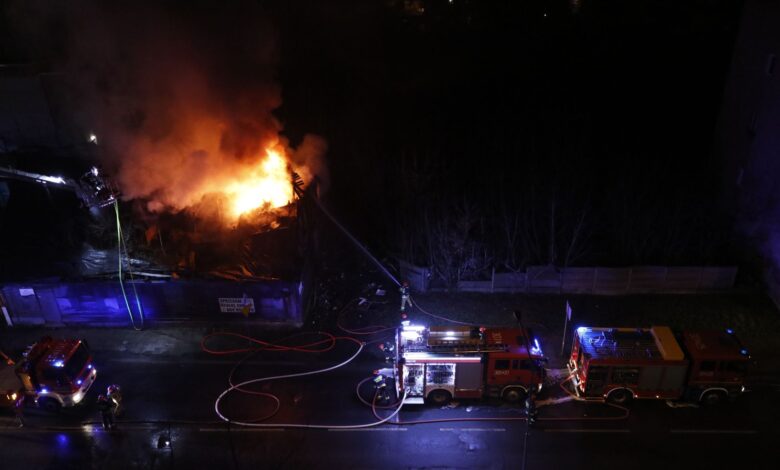
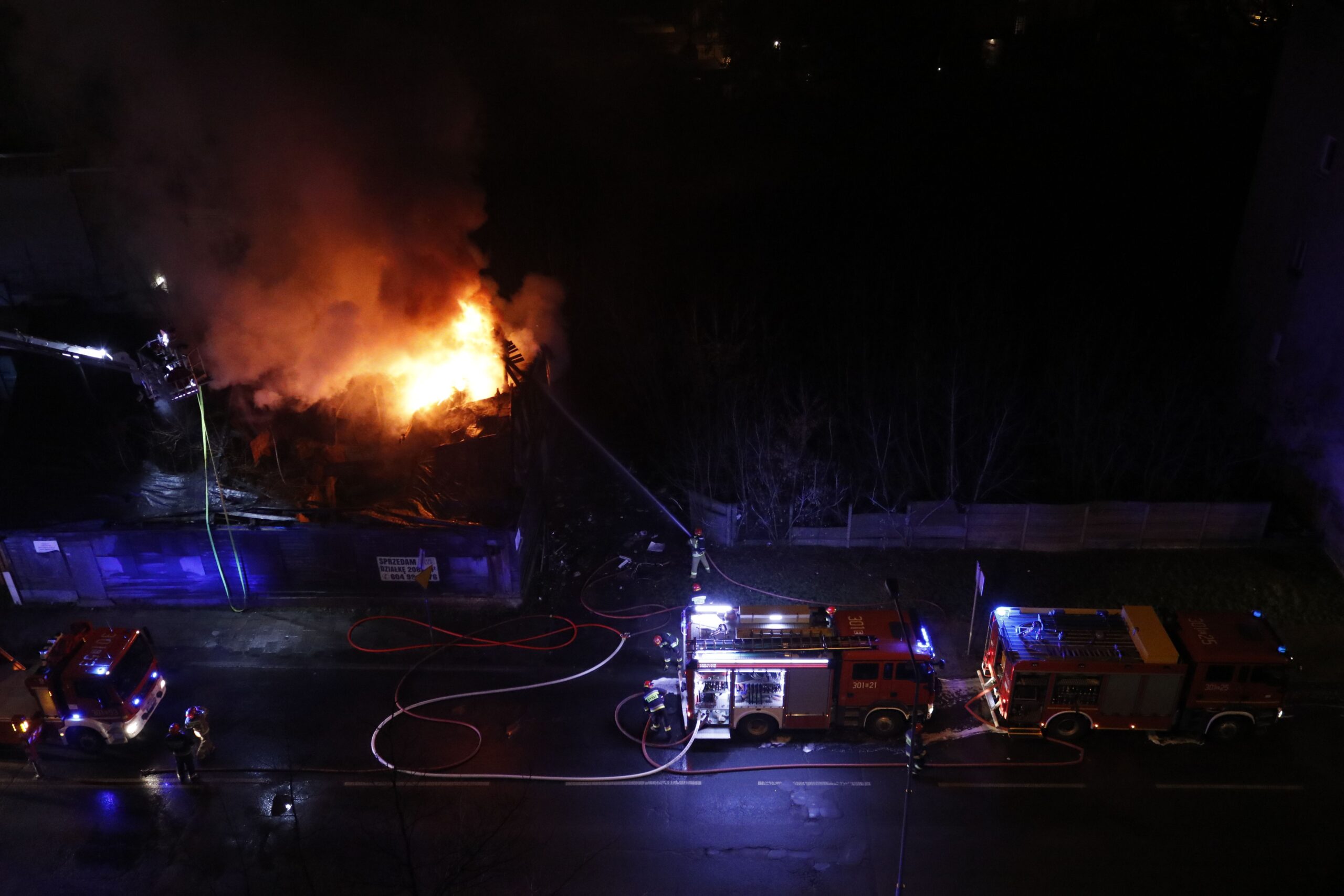
The operational choice to target residential districts in Zaporizhzhia with guided aerial bombs represents a significant tactical development. Unlike unguided munitions, guided aerial bombs offer higher precision, allowing attackers to strike specific structures or areas with greater accuracy from standoff distances. The damage assessment in this region included the destruction or severe impairment of ten residential buildings. The presence of children among the 44 injured highlights the indiscriminate nature of these strikes on populated areas, a pattern that has characterized recent phases of the conflict. The psychological and physical impact on the local population is compounded by the destruction of housing, displacing residents and straining local emergency services.
Simultaneously, the strikes were directed at the backbone of Ukraine’s national infrastructure. In the Zhytomyr and Rivne regions, power substations came under attack, while railway infrastructure in Chernihiv oblast was targeted. In Kyiv oblast, residential buildings sustained damage, indicating that the strikes were not limited to remote or military-adjacent zones. The targeting of energy infrastructure serves a dual military objective: to disrupt the power supply necessary for both civilian life and military operations, and to degrade the industrial capacity required for sustained warfare. The damage to railway infrastructure in Chernihiv further complicates logistical movements, potentially affecting the transport of goods, personnel, and equipment across the region.
The campaign extended to critical utility networks, with gas transport infrastructure in Kirovohrad oblast coming under fire. The vulnerability of such infrastructure to aerial strikes poses a significant risk to winter heating and industrial gas supplies, exacerbating the humanitarian crisis. In the southern and eastern regions, including Mykolaiv, Odesa, and Sumy, residential buildings were again placed under attack, demonstrating a broad geographic spread of the offensive. In Dnipropetrovsk and Kharkiv oblasts, drone strikes resulted in two injuries in each region. The use of drones in these areas suggests a persistent threat from low-altitude aerial assets, which are difficult to intercept and can be deployed in large numbers to saturate air defense systems.

The strategic significance of these multi-domain strikes lies in their ability to impose cumulative pressure on Ukraine’s defense and civilian sectors. By striking energy, transport, and residential infrastructure simultaneously, the attacking forces aim to stretch Ukraine’s air defense resources, disrupt economic activity, and erode public morale. The involvement of guided aerial bombs indicates a reliance on aircraft capable of carrying such ordnance, operating from safe distances or outside the range of many short-range air defense systems. This approach reduces the risk to the attacking aircraft while maximizing the destructive potential of the strike package.
Logistically, the damage to power substations and gas infrastructure will require significant time and resources to repair, particularly if specialized equipment or materials are scarce. The disruption to railway networks in Chernihiv may force rerouting of cargo and passenger traffic, increasing transit times and costs. For the affected regions, the immediate priority is the mitigation of damage, rescue of the injured, and restoration of essential services. The Ukrainian government’s acknowledgment of the efforts of rescuers, medics, police, energy workers, and municipal staff highlights the critical role of civilian resilience in maintaining functionality during such attacks.
The human consequences of these strikes are starkly documented in the casualty figures and the extent of property damage. The death of two civilians and the injury of dozens, including children, in Zaporizhzhia alone serve as a reminder of the civilian cost of the conflict. The damage to residential buildings in multiple oblasts displaces families and creates a lasting humanitarian burden. The widespread nature of the attacks, affecting eleven oblasts, demonstrates the reach of the attacking forces and the difficulty in providing comprehensive air defense coverage across such a large territory.
Uncertainties remain regarding the specific types of aircraft or drones used in these strikes, as well as the exact origin of the guided aerial bombs. While the Ukrainian side has confirmed the targets and damages, independent verification of some claims may be limited by the ongoing conflict and restricted access to certain areas. The strategic intent behind the simultaneous targeting of diverse infrastructure types suggests a coordinated effort to maximize disruption, but the long-term effectiveness of such a strategy depends on the resilience of Ukraine’s infrastructure and the sustainability of its air defense capabilities.
The next confirmed development will likely involve the assessment of the long-term impact on Ukraine’s energy and transport sectors, as well as any retaliatory actions or further strikes by Russian forces. The resilience of Ukrainian emergency services and the speed of infrastructure repairs will be critical in mitigating the effects of these attacks. For the international community, these strikes underscore the ongoing threat to civilian safety and the need for continued support for Ukraine’s defense and reconstruction efforts. The pattern of attacks on critical infrastructure and residential areas remains a central feature of the conflict, with significant implications for regional security and humanitarian conditions.