
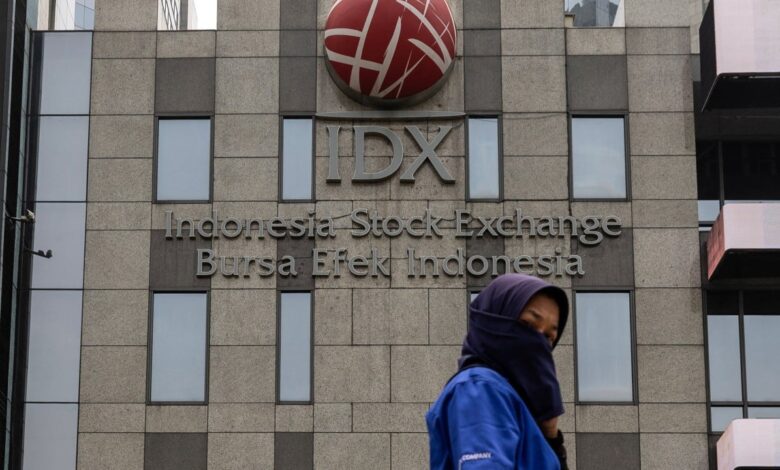
The immediate trigger for the government’s defensive posture is a warning from MSCI, the global index provider, which has indicated that Indonesia could be downgraded from “emerging-market” to “stand-alone-market” status. Such a reclassification would have profound implications for international capital flows, as it would effectively exclude Indonesian equities from the portfolios of major global emerging-market index funds. For an economy that relies heavily on foreign direct investment and portfolio flows to fuel growth, the threat of exclusion from these indices represents a structural risk to liquidity and valuation.
The administration has responded by promising a suite of reforms aimed at addressing the underlying issues cited by MSCI. However, the political framing of these efforts—emphasizing national unity and self-reliance—has drawn mixed reactions from market observers. Analysts suggest that while the promise of regulatory and structural changes is necessary, the reliance on patriotic appeals may be insufficient to counteract the concerns of institutional investors who prioritize transparency, liquidity, and market efficiency over national sentiment.
The significance of the potential MSCI downgrade extends beyond immediate stock prices. It reflects broader concerns regarding the depth and accessibility of Indonesia’s capital markets. A move to “stand-alone” status would signal to the global financial community that the market does not meet the criteria for integrated emerging-market inclusion, potentially leading to a structural reduction in foreign investment. This, in turn, could pressure the rupiah and limit the government’s ability to finance large-scale infrastructure and industrial projects that are central to its long-term economic strategy.
It is critical to distinguish between the immediate market reaction and the longer-term policy implications. While the current rout is a sharp, short-term correction, the MSCI warning points to structural deficiencies in market infrastructure or regulatory frameworks that require fundamental change. The government’s promise of reforms is the key variable in this equation. If these reforms are substantive and implemented effectively, they could restore confidence and preserve the country’s emerging-market status. Conversely, if the reforms are perceived as insufficient or merely symbolic, the risk of downgrade—and the associated capital flight—remains a persistent threat.
The next critical juncture will be the detailed rollout of the promised reforms and MSCI’s final decision on Indonesia’s index classification. Investors will be watching closely for concrete actions that demonstrate a commitment to market integrity and accessibility. Until such measures are implemented and verified, the tension between nationalistic rhetoric and global market standards will continue to cloud the outlook for Indonesian equities.