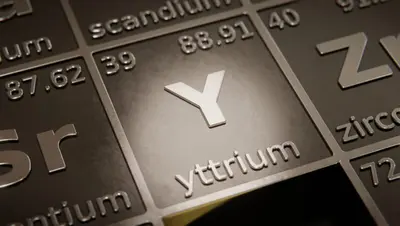
The tender for Mrima Hill, located in Kwale County near Mombasa, was gazetted recently following the government’s invitation for expressions of interest. Cabinet Secretary for Mines Hassan Ali Joho stated that more than 10 companies had signaled interest prior to the tender’s launch, with Nairobi explicitly targeting bidders from the United States, China, and Australia. The site’s potential scale is considerable; a 2022 geological survey confirmed the presence of niobium, thorium, yttrium, strontium, and lanthanum. Previous holder Cortec Mining estimated the deposit’s value at $62 billion, although mining executives have cautioned that this figure does not account for extraction and processing costs or the technical complexities posed by the site’s radioactive thorium content.
A central tenet of the tender, as articulated by Secretary Joho, is that in-country processing is a “non-negotiable condition” for any award. “Let me assure you it will not be extracted and exported in raw form, it will be processed in the country,” Joho told the Financial Times, emphasizing that the bidder offering the “best deal on beneficiation” would prevail. This policy aligns with broader African efforts to move beyond raw material export and capture downstream value.
The RareX-Iluka consortium’s bid is anchored by Iluka’s Eneabba rare earths refinery in Western Australia, a facility expected to begin operations next year. The refinery is being constructed with the support of a $1.65 billion non-recourse loan from the Australian government and will become one of the few fully integrated facilities outside China capable of producing separated rare earth oxides, including neodymium, praseodymium, dysprosium, and terbium. RareX Managing Director James Durrant stated that the proposal combines this downstream capability with a plan to build local value chains in Kenya, focusing on mining, initial processing, and the development of phosphate and manganese by-products. The consortium also proposed skills development partnerships with Curtin University in Western Australia.

However, the commercial momentum is being tested by a legal petition filed on June 22 by the Centre for Litigation Trust. The group has sought a suspension of the deal’s implementation, arguing that the process has been shrouded in secrecy and undertaken without adequate public participation. The petition, which names Cabinet Secretary Joho and the Attorney-General as respondents, contends that the local Kaya elders, Community Forest Associations, and the Kwale County Government were excluded from decision-making processes despite the project’s profound environmental, cultural, and economic implications.
The legal challenge coincides with President William Ruto’s announcement at the G7 Summit in France that Kenya and the United States had finalized a preliminary agreement for the site’s development. While the petitioners argue that the contract terms, environmental impact assessments, and benefit-sharing framework remain “opaque and vague,” the government maintains that the tender is open to all nationalities and that geopolitical pressures have not compromised Kenya’s interests. “Our president is known for saying ‘Kenya Kwanza,’ which in Kiswahili means ‘Kenya first’,” Joho stated, suggesting that national benefit prioritization is the guiding principle of the tender.
The petition further argues that the agreement, estimated to be worth Ksh. 9.7 trillion (approximately $7.5 billion), falls under transactions requiring parliamentary scrutiny under Article 71 of the Constitution. It asserts that the national government has “sidelined” local authorities, violating constitutional provisions regarding devolved governments and their role in resource exploitation. The Centre for Litigation Trust is seeking a High Court order to suspend implementation until Parliament, the county government, and local communities are fully involved.
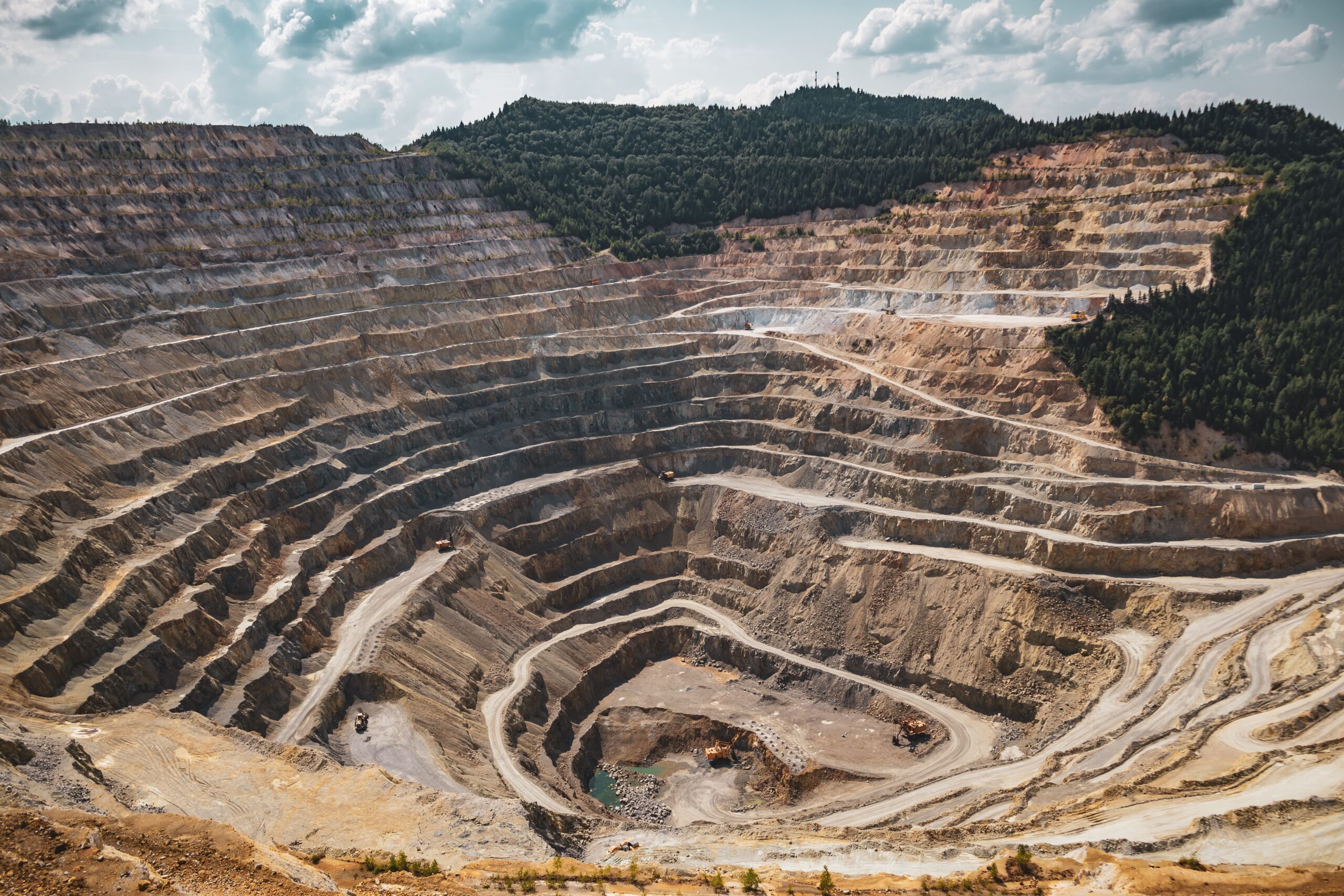
For investors, the outcome of this tender represents a significant inflection point in the global race for critical minerals. The involvement of major players like the US-backed Mrima Earth consortium, Chinese state entities, and the Australian RareX-Iluka joint venture underscores the geopolitical weight of the deposit. However, the legal risks cited in the petition—specifically regarding environmental clearance and community consent—introduce a layer of uncertainty that could delay the project. The presence of thorium adds a technical and regulatory complexity that must be addressed in any final contract, particularly given the site’s location in a forest regarded as sacred by the local Digo community.
As the RareX-Iluka consortium prepares its detailed Request for Proposal, the next critical step will be the assessment of bids under Kenya’s Mining Act and tender regulations. Simultaneously, the High Court in Kwale County must address the petition for suspension. The resolution of these parallel tracks—commercial evaluation and legal scrutiny—will determine whether Mrima Hill becomes a flagship project for African beneficiation or a cautionary tale on the governance of critical minerals.