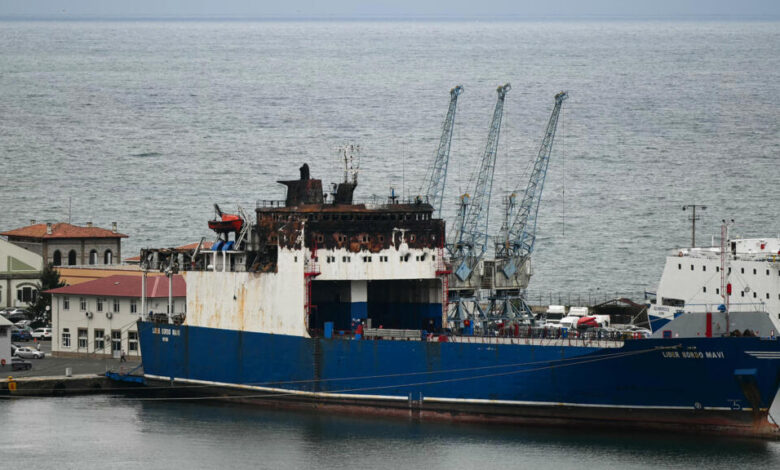
The sinking of the ship is not merely a local accident but a development with profound geopolitical implications. It highlights the growing danger posed to international trade routes by the ongoing conflict between Ukraine and Russia. For months, the Black Sea has been a focal point of military activity, but the direct targeting of a commercial vessel from a neutral or non-belligerent flag state signals a shift in the scope of the hostilities. The incident serves as a tangible demonstration of how the war is spilling over into civilian economic spheres, affecting not just military targets but the backbone of global supply chains.
The immediate consequence of the attack is the loss of the vessel and its cargo, though the specific nature of the cargo and the fate of the crew are not detailed in the initial reports. However, the broader impact on the shipping industry is immediate. Commercial operators are forced to reassess the risk profile of transiting the Black Sea. Insurance premiums for routes through this area are likely to surge, and shipping lines may seek to reroute cargo through safer, albeit longer, paths such as the Suez Canal or around the Cape of Good Hope, increasing costs and delivery times for goods destined for or originating from the region.
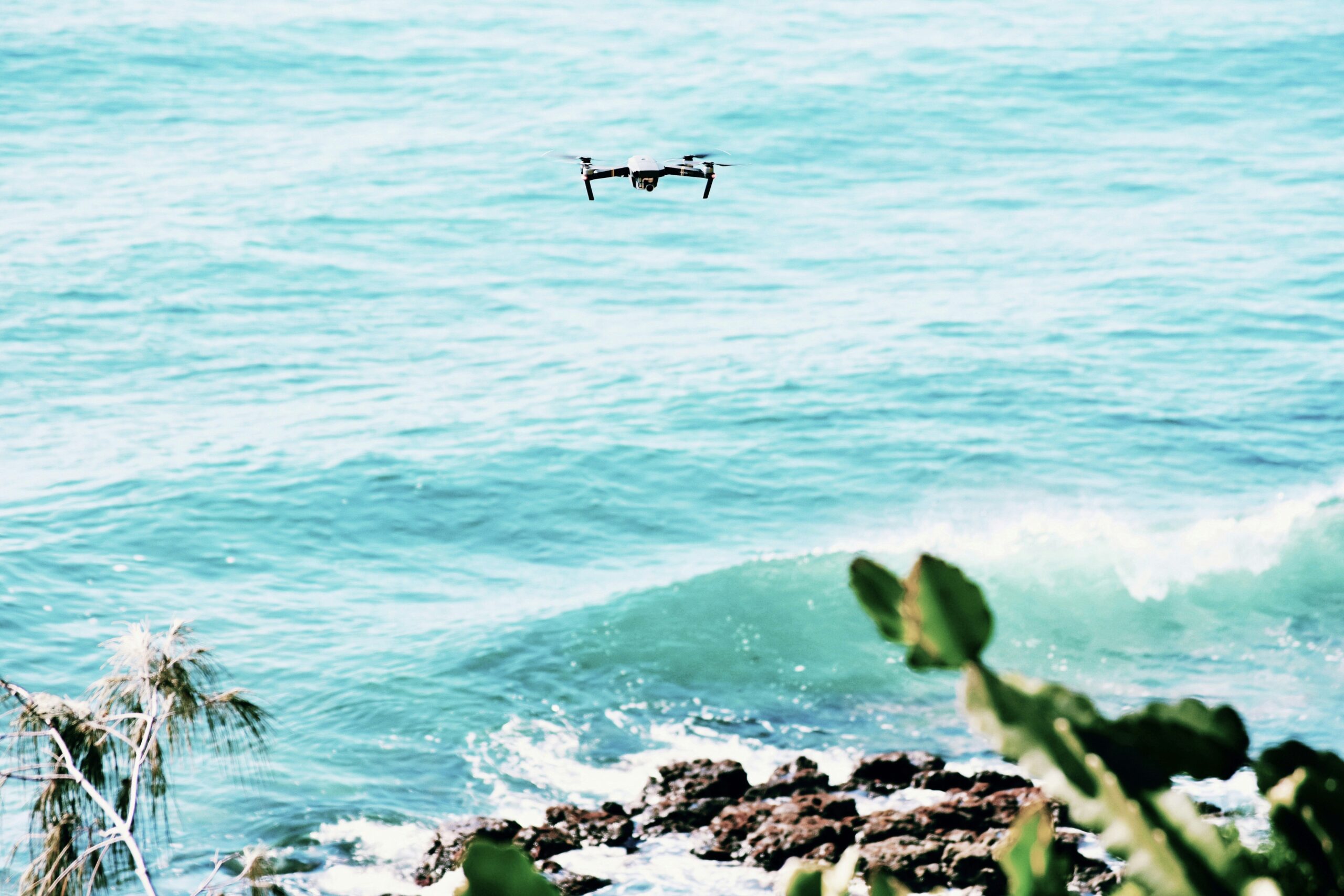
From a strategic perspective, the use of drones against commercial shipping introduces a new layer of complexity to the conflict. Drones are inexpensive, relatively easy to produce, and difficult to intercept in large numbers. Their deployment against civilian infrastructure suggests a strategy aimed at exerting economic pressure or disrupting logistics that support both Ukraine and its international partners. For Russia, if the attribution is confirmed, the action represents a willingness to extend the theater of war to international waters, challenging the norms of maritime security. For Ukraine, the incident underscores the need for enhanced naval and coastal defense capabilities to protect its own ports as well as to reassure international partners that their assets are at risk.
The diplomatic fallout from such an incident is likely to be significant. Greece, as the flag state of the sunk vessel, will likely seek an official investigation and accountability. The European Union and NATO, of which Greece is a member, are expected to condemn the attack and may consider further sanctions or diplomatic measures against Russia. Bulgaria, whose coast was the point of origin or proximity for the incident, faces a delicate balancing act, as it is a NATO member with a border with Russia and a complex relationship with Ukraine. The incident may solidify Bulgaria’s stance in supporting Ukraine and aligning more closely with Western security frameworks.
Historically, the Black Sea has been a contested waterway, with control over its straits and access to the Mediterranean being a key strategic objective for various empires and states. In the current context, the sea has become a frontline for the Russia-Ukraine war. The persistence of the conflict has already led to disruptions in global grain and energy markets. The sinking of a commercial ship adds another variable to this equation, potentially exacerbating inflationary pressures and supply chain fragility worldwide.
Analysts note that the use of drones in this manner is a hallmark of modern asymmetric warfare. It allows a state to project power and inflict damage without committing high-value assets like warships or fighter jets, thereby reducing the risk of direct military confrontation with NATO forces. However, it also increases the unpredictability of the maritime environment, making it dangerous for all vessels, regardless of their nationality or purpose. The incident raises questions about the effectiveness of current international naval patrols and early warning systems in detecting and neutralizing such threats.
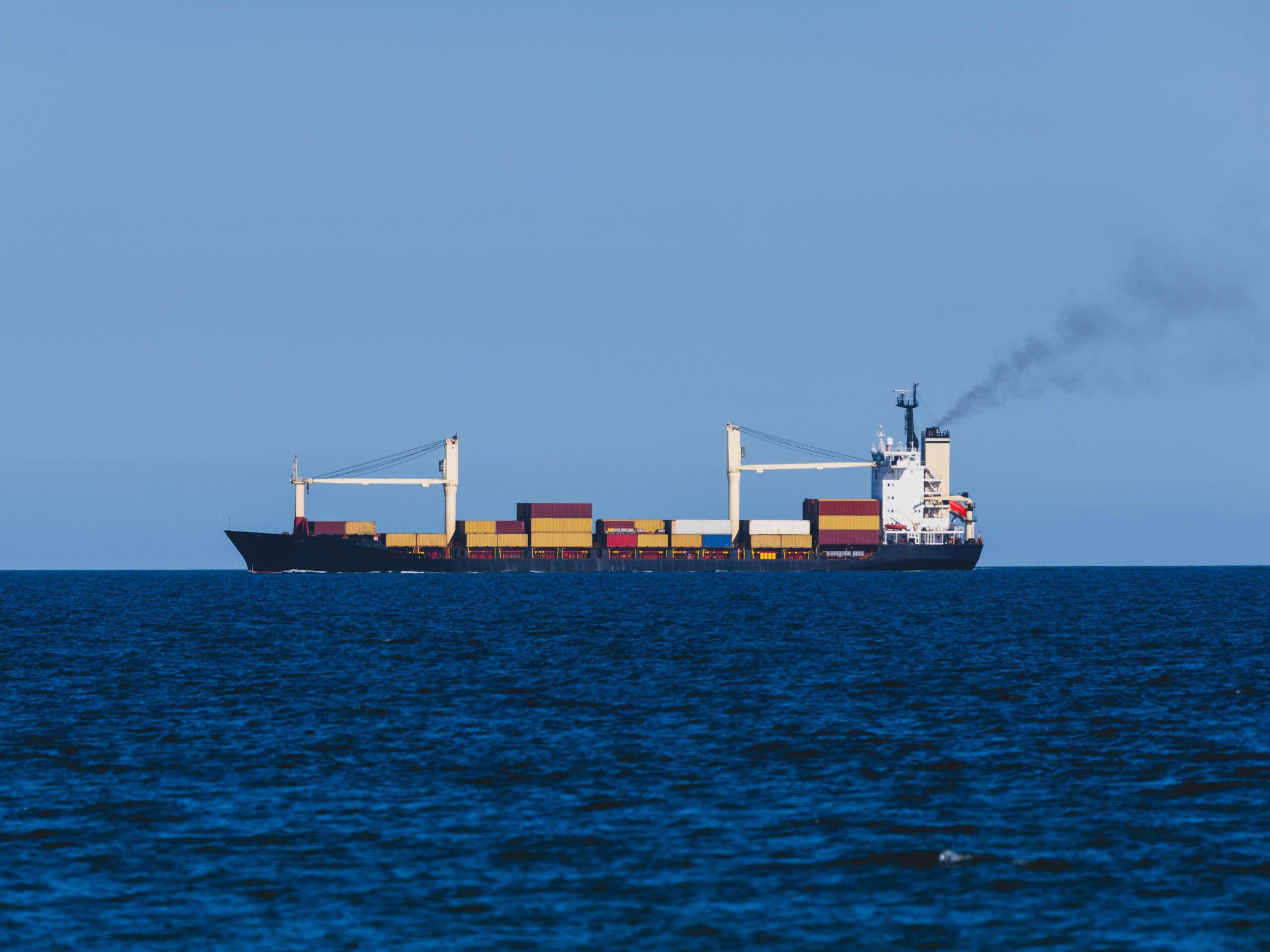
As the investigation into the specific origin and command structure behind the drone attacks proceeds, the international community will be watching closely. The response will be a test of the resolve of Western nations to protect international commerce and uphold maritime law. The sinking of the Greek container ship is a sobering reminder that the consequences of the Ukraine-Russia conflict are no longer contained within the borders of the belligerent states. They reach into the global economy, affecting businesses, consumers, and neutral nations alike. The Black Sea, once a vital artery for trade, is now a zone of heightened risk, and the incident off the Bulgarian coast is a clear marker of that reality.
In the coming days, the focus will shift to the diplomatic channels and the technical analysis of the wreckage. The identity of the drones and the confirmation of their origin will be crucial in determining the next steps in the geopolitical response. For now, the waters off Bulgaria remain a symbol of the enduring and expanding dangers of the conflict, with the sunk ship lying at the bottom of the sea, a testament to the high stakes involved in the ongoing struggle.