Critical Evidence in the Final Moments
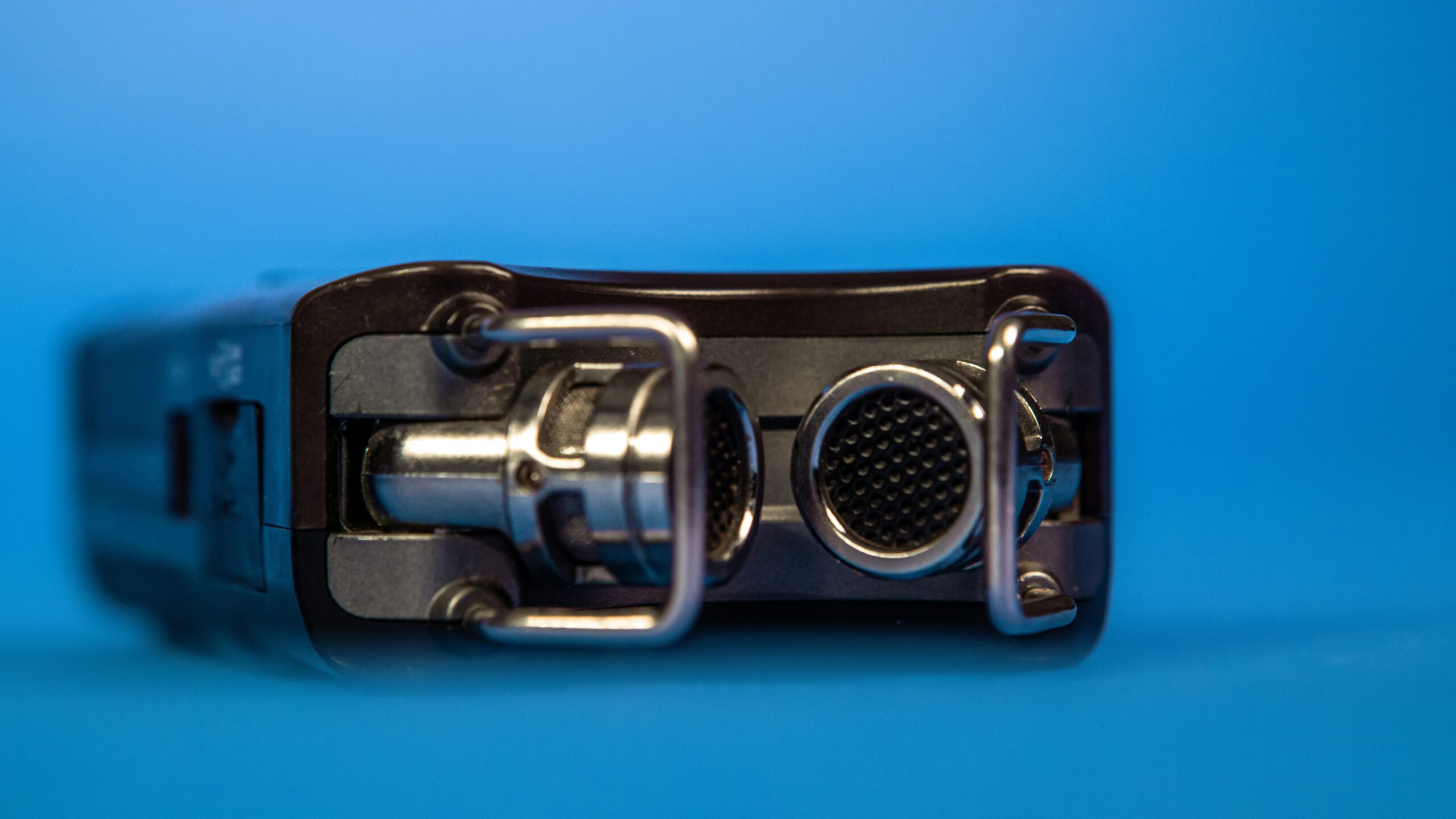
The CVR, distinguished by its orange-painted metal shell, was found at the crash site and has been transported to the NTSB laboratory in Washington, D.C., for evaluation and audio analysis. While it was not immediately known if the device had sustained damage or was functional at the time of the crash, aviation safety expert Jeff Guzzetti noted that the unit appeared to be in “decent shape” based on photos released by the agency.
“It’s very plausible that any info on the recorder survived,” Guzzetti told The Associated Press. “If they can recover it, and it’s from the accident flight, that will be a huge help to investigators.” He cautioned, however, that the recovery of the physical device does not guarantee the presence of usable data, citing a January 2025 crash in Philadelphia involving a medical transport plane where the recovered CVR had likely not been functioning for several years.
Mid-Air Breakup and Severe Turbulence
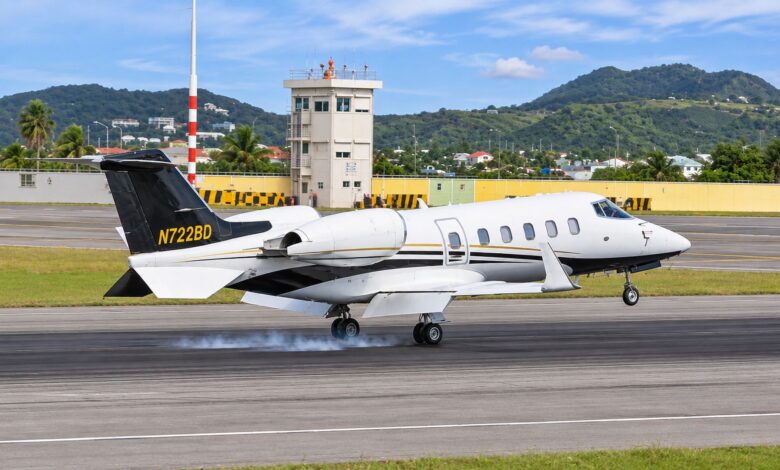
Investigators have already established key facts regarding the sequence of events leading to the crash. NTSB Board Member Tom Chapman confirmed in the active investigations report that evidence indicates the plane began to break apart in the air before impact. Debris from the aircraft, including a section of the tail known as the elevator—which controls the plane’s pitch—was located more than a mile away from the main crater. Specifically, some fragments were found up to 3.8 miles (6.11 km) from the impact site, corroborating the theory of a high-speed mid-air breakup.
The crash occurred amid severe weather. Air traffic control transmissions captured the co-pilot, Nathalia Filgueiras, reporting that the aircraft was being thrown up and down by more than 700 feet (213 meters) due to icing conditions and severe turbulence. She requested a better route through the area, but the aircraft ultimately headed directly into a rapidly developing storm cell after steering around a larger one. Witness video captured the jet plunging nose-first into the ground.

Investigation Timeline and Scope
The on-scene phase of the investigation has now concluded, with federal investigators handing over the site. The data from the CVR could provide crucial details about the pilots’ communications, their awareness of the icing conditions, and the specific loss of control events. The NTSB will also review maintenance records and other flight data to determine if mechanical failure played a role in the breakup.
Typically, the NTSB takes 12 to 18 months to complete a crash investigation, though complicated cases can take longer. The agency’s roughly 400 workers are currently pursuing more than 1,200 active investigations. The final report will aim to distinguish between weather-induced stress, mechanical integrity, and pilot response, providing clarity on a tragedy that highlighted the dangers of small aircraft operating in volatile atmospheric conditions.