

President Trump, speaking to reporters, downplayed the prospect of a military confrontation, stating that he did not see a war breaking out. This commentary directly countered earlier fears that diplomatic breakdowns or retaliatory strikes could lead to a significant reduction in global oil supply. The immediate market reaction was a decline in the prices of major crude benchmarks, as traders unwound positions taken on the back of geopolitical anxiety rather than fundamental supply-demand imbalances.
The significance of this price movement lies in the distinction between structural supply constraints and transient geopolitical volatility. While underlying fundamentals—such as OPEC+ production quotas, US shale output, and global demand growth—remain the primary drivers of long-term price trends, short-term spikes are frequently driven by the “fear premium” associated with regions controlling critical chokepoints. Iran’s proximity to the Strait of Hormuz, through which approximately 20% of the world’s traded oil passes, makes any threat of instability there a direct threat to global energy security. When the perceived probability of a physical blockade or supply interruption decreases, the insurance cost built into the price of crude diminishes.

Market participants have been closely monitoring the interplay between diplomatic signals and physical market data. The recent price action reflects a shift in sentiment rather than a change in actual barrels produced or consumed. It is crucial to distinguish between announced political tensions and verified operational disruptions. As of Monday, there was no evidence of physical attacks on tankers, infrastructure damage, or forced production cuts by Iranian entities. Consequently, the correction in prices represented a normalization of risk assessments rather than a reaction to a new supply shock.
Analysts noted that while the immediate risk premium has receded, the geopolitical environment remains fragile. The difference between a diplomatic standoff and an active conflict can translate into billions of dollars in market valuation, depending on the duration and severity of any potential supply interruption. However, in the absence of verified military action, the market continued to price oil based on its fundamental balance of supply and demand.
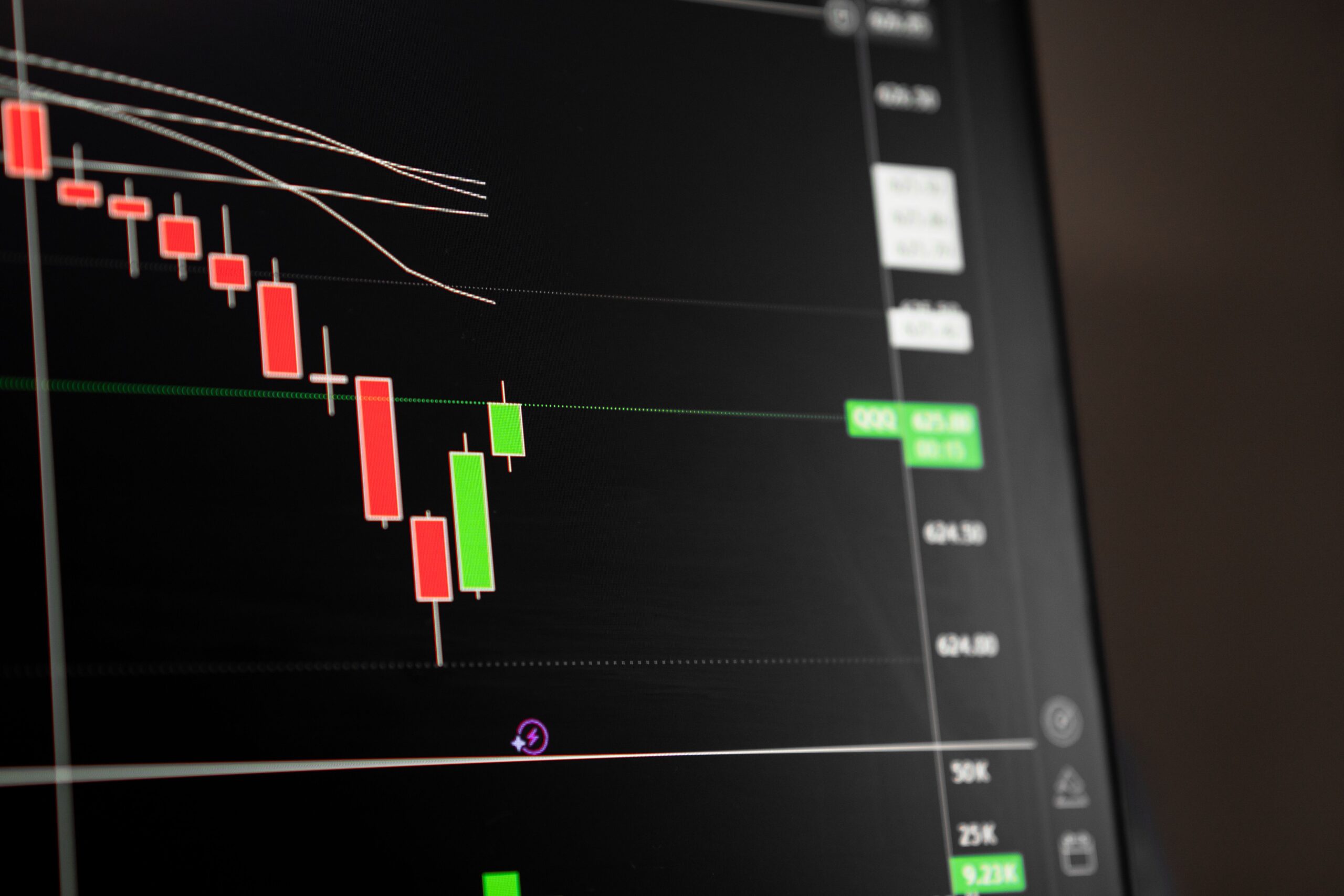
The retreat in prices also highlights the sensitivity of energy markets to high-level political rhetoric. In a globalized energy system, where supply chains are complex and interdependent, statements from key geopolitical actors can trigger immediate re-pricing of risk. This volatility affects not only commodity traders but also downstream sectors such as aviation, shipping, and manufacturing, which rely on stable input costs. For consumers, the impact on retail fuel prices is typically lagged and moderated by domestic refining margins and tax structures, meaning the immediate dip in wholesale crude may not be fully reflected at the pump until subsequent reporting periods.
Looking ahead, investors will continue to weigh the credibility of diplomatic assurances against the physical reality of military posturing in the region. The next key catalysts for the market will include weekly inventory reports from the US Energy Information Administration (EIA) and the Organization for the Cooperation of Petroleum Exporting Countries (OPEC), which provide verified data on physical stock levels and production changes. Until such data confirms a structural shift in supply, the market is likely to remain reactive to geopolitical headlines, with prices fluctuating around a baseline determined by global economic growth expectations and OPEC+ policy stances.