

Aviation experts have weighed in on the likelihood of the device’s survival, noting that the outcome hinges on the specific forces involved in the crash. While flight recorders are engineered to withstand significant g-forces, fire, and water pressure, the term “extreme” impact suggests conditions that may exceed standard survival ratings. The NTSB’s assessment will determine if the audio and data logs can be retrieved to aid in the investigation of the cause.
The Learjet 60 is a common model for private aviation, and like most commercial and business aircraft, it is required to carry flight recorders. These devices are designed to operate independently of the aircraft’s main systems, allowing them to function during critical failures. However, the physical integrity of the unit after a high-energy collision is not guaranteed, particularly if the device was displaced or subjected to temperatures beyond its operational limits during the crash sequence.
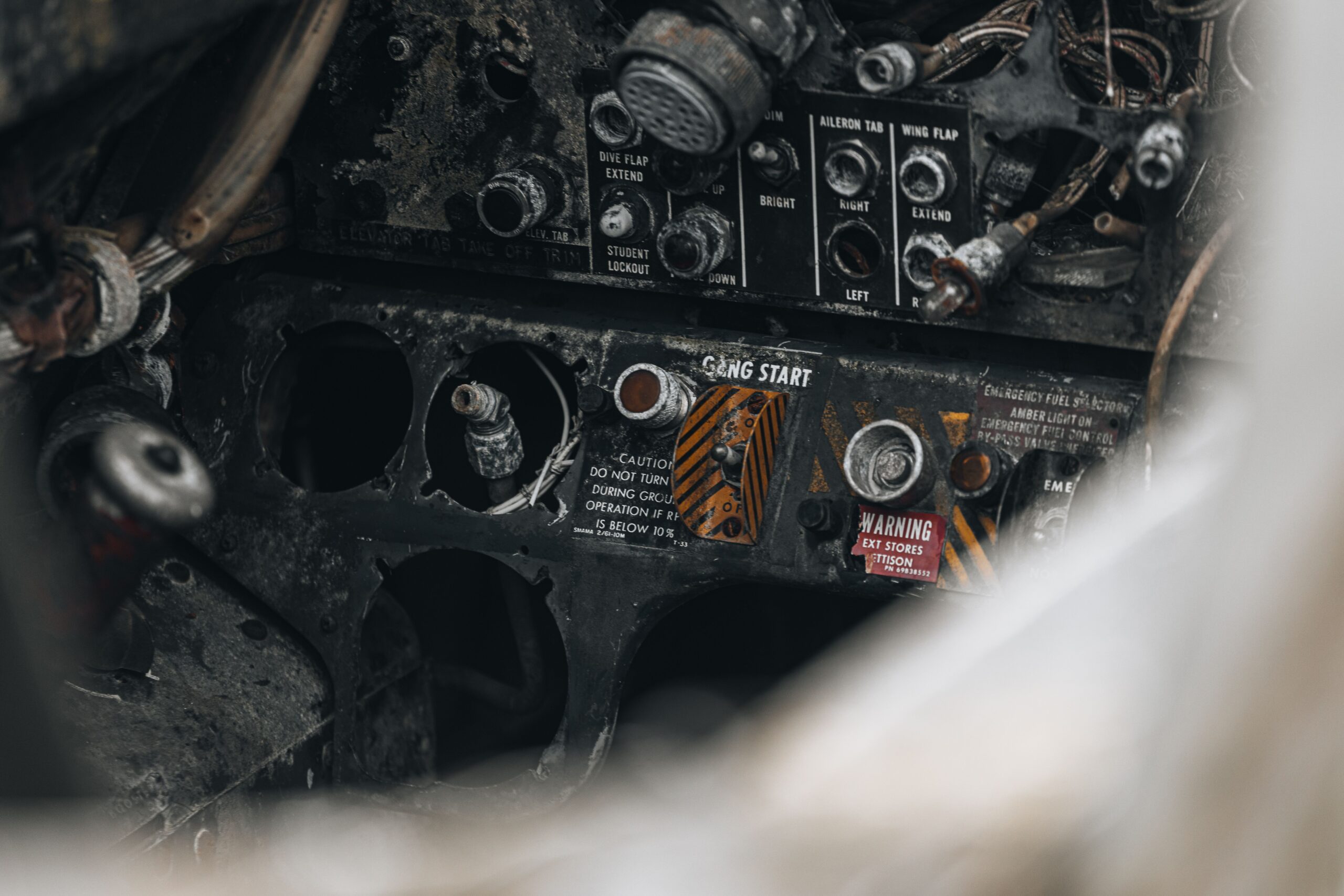
The investigation focuses on the immediate aftermath of the crash to determine the status of the black box. If the device is recovered and intact, it will provide a chronological record of cockpit communications and critical flight parameters. This data is essential for identifying mechanical failures, pilot actions, or environmental factors that contributed to the accident. The NTSB has not yet released a preliminary report on the cause of the crash, but the recovery of the black box is a primary objective in the early stages of the inquiry.
Regulatory standards require that flight recorders be constructed from crash-resistant materials, typically encased in high-strength steel and insulated against heat. Despite these protections, the survival of the data depends on the device remaining in its designated location and not being destroyed by the structural collapse of the aircraft. The NTSB’s ongoing checks aim to confirm the presence of the recorder before attempting any data extraction, a process that requires specialized equipment and a controlled environment.

The findings from the black box, if recovered, are expected to be central to the final accident report. Until the NTSB confirms the status of the device and releases any available data, the specific mechanics of the crash remain under investigation. The agency will continue to examine the wreckage and witness accounts to establish a comprehensive timeline of events leading up to the impact.





One Comment