According to local reports, the fire originated from a large accumulation of garbage and discarded waste piled inside the empty structure. Neighbors, observing thick smoke billowing from the property, notified authorities, prompting a rapid mobilization of local fire and emergency services. Firefighting units entered the premises and successfully controlled and extinguished the flames. The fire primarily consumed the accumulated debris, leaving behind localized heat damage and soot stains on the interior walls. While the exact trigger of the ignition remains undetermined, the presence of significant waste material within the structure was identified as the primary fuel source.
The incident underscores a persistent concern among nearby residents regarding the occupation of abandoned buildings. Community members have noted that unhoused individuals frequently enter the vacant property to seek shelter and spend the night. This practice raises significant safety fears, particularly during emergencies, where the risk of someone being trapped inside is a constant worry for those living in close proximity. The event serves as a tangible example of the public health and security risks associated with neglected urban spaces.
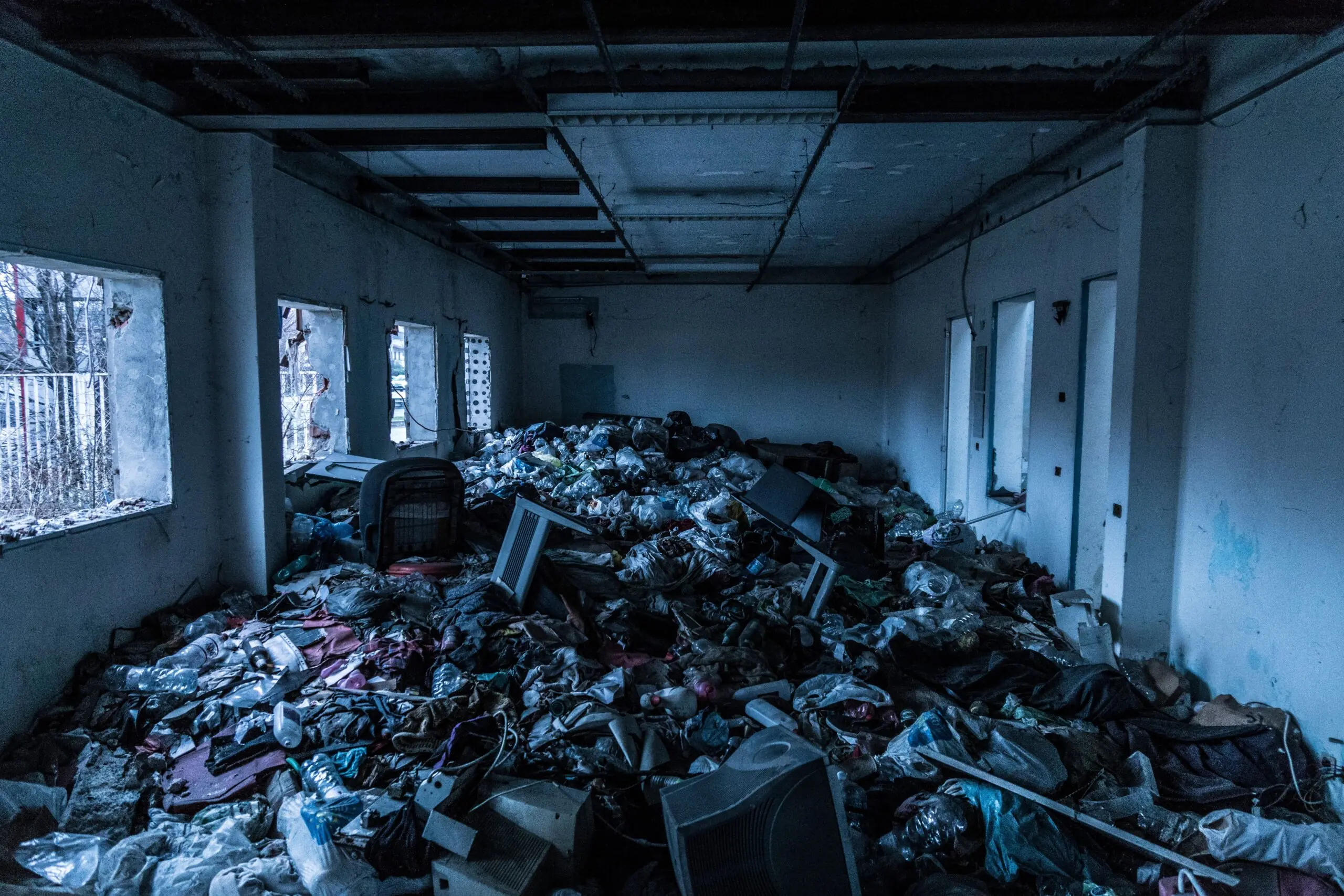
Municipal authorities have stated that they continue to monitor vacant and neglected properties across the city. However, the fire has prompted renewed calls from the community for stricter property maintenance standards and more robust preventive measures by local officials. The current regulatory framework appears insufficient to address the immediate hazards posed by structures that have been left to deteriorate, creating environments where waste accumulates and unauthorized occupancy becomes common.
From an urban planning and public health perspective, abandoned buildings in densely populated neighborhoods like Bojórquez present multifaceted challenges. Beyond the immediate fire risk, such structures can become sites for the accumulation of hazardous waste, which may contribute to local pollution and attract pests. The presence of vulnerable populations, such as unhoused individuals, within these unsafe structures adds a layer of social complexity to the issue. While the fire was contained without loss of life, the incident highlights the gap between existing municipal oversight and the on-the-ground reality of urban decay.
The response to this incident is likely to focus on enforcement and policy. Local officials may be compelled to review protocols for inspecting and securing vacant lots and buildings. This could involve increased patrols, mandatory cleanup orders for property owners, or partnerships with social services to address the underlying issues of homelessness and urban neglect. The effectiveness of these measures will depend on the resources allocated by the municipal government and the willingness of property owners to comply with maintenance requirements.

For the residents of Bojórquez, the fire serves as a stark reminder of the fragility of safety in the aging urban fabric of Mérida. The community’s demand for action is grounded in direct observation of the risks posed by neglected infrastructure. As the city continues to grow and urbanize, the management of existing stock, particularly vacant properties, becomes an increasingly critical component of public safety strategy. The incident does not suggest a systemic failure of emergency services, which responded promptly and effectively, but rather points to a need for more proactive prevention strategies regarding property upkeep and urban management.
As of the latest reports, no further injuries have been reported, and the site has been secured. Municipal authorities are expected to continue their monitoring efforts, with the potential for new regulatory actions to be announced in the coming weeks. The situation remains a focal point for community engagement, with residents urging local leadership to prioritize the safety and well-being of all inhabitants, including those without stable housing.