
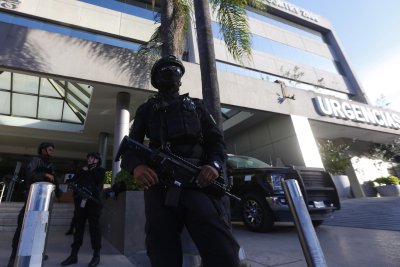
Gallardo’s death occurred while he was in the custody of the Mexican state, having been incarcerated for much of his later life. As a legal matter, the death of a defendant extinguishes any pending criminal proceedings against them and renders any existing sentences moot. No further judicial actions, such as appeals, retrials, or sentencing hearings, can be conducted against a deceased individual. Consequently, any legal strategies or procedural steps previously associated with his case are now legally dormant.
Historically, Gallardo’s legal significance stems from his role in the Guadalajara Cartel, which operated primarily during the 1980s and early 1990s. He was a central figure in the international distribution of narcotics, including cocaine and heroin, which contributed to the escalation of the drug war in Mexico and the United States. His capture and subsequent legal battles provided critical insights into the operational structures of transnational drug trafficking organizations and the complexities of international extradition and cooperation.
It is important to distinguish between the historical record of his criminal activities, which were the subject of extensive investigations and trials, and the current legal status. While previous courts have issued judgments and sentences related to his involvement in drug trafficking, the specific details of those rulings, the statutes under which he was charged, and the precise nature of the evidence presented are not part of the immediate factual matrix regarding his death. The current report focuses solely on the verified fact of his passing and the immediate procedural consequence: the cessation of all active legal processes involving him.
The death of a high-profile figure in criminal justice often prompts public and media scrutiny of the judicial system’s handling of the case. However, from a procedural standpoint, the primary legal interest now shifts from the individual to the institutional consequences. Law enforcement agencies may review the intelligence gathered during his lifetime, and prosecutors may assess whether any co-defendants or associated entities remain subject to investigation. Yet, no new charges can be brought against Gallardo himself, and any civil claims for damages or restitution against his estate would follow distinct civil procedures, separate from the criminal history.

There are no immediate next steps in terms of criminal court proceedings for Gallardo. The legal system’s role now is to formally record the death in the prison and judicial records, close his active case file, and manage the administrative aftermath of his incarceration. For the broader legal community, his death serves as a marker in the timeline of Mexico’s drug war, a conflict defined by shifting alliances, state violence, and the persistent challenge of addressing organized crime across borders.
As with all cases involving deceased defendants, the public narrative must remain grounded in verified facts. The presumption of innocence, while legally irrelevant after a conviction, remains a principle of respectful reporting. Gallardo’s legacy is that of a convicted criminal whose actions had profound social and political impacts. His death does not absolve the institutions that failed to prevent the harms caused by his operations, nor does it change the historical record of his guilt as established by prior judicial determinations, which are not re-litigated here.
In conclusion, the death of Miguel Ángel Félix Gallardo at age 80 in a Mexican hospital is a finality in his personal legal journey. It removes a major figure from the landscape of ongoing criminal justice narratives, but the broader issues of transnational drug trafficking, law enforcement cooperation, and the rule of law in conflict zones remain unresolved and active areas of legal and political concern.