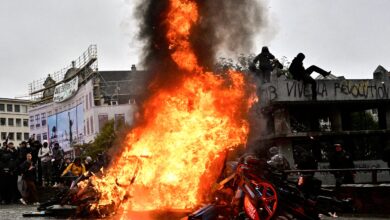
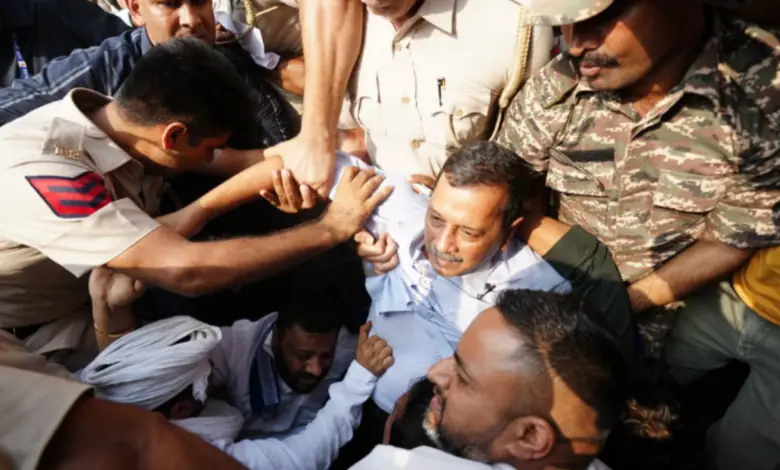
Among those detained during the unrest in Mumbai was Bollywood actor Imran Khan, who was participating in the protests backing the CJP (Central Jail Police, or generally police custody context here, but specifically noted as detention at Mumbai protest). In Delhi, the situation saw the arrest of Aamir Khan? No, source says Imran Khan in Mumbai. In Delhi, Arvind Kejriwal shared a video from his detention, stating, “Youth has awakened,” highlighting the broad demographic participation in the movement. The detentions have triggered a sharp political face-off, with opposition leaders accusing the government of suppressing democratic dissent while the ruling party maintains that the actions are necessary to maintain public order.
The unrest has had tangible impacts on daily life in the National Capital Region. Train services were suspended, and the Unified Payments Interface (UPI), the primary digital payment system, faced significant outages or restrictions in Delhi, causing considerable inconvenience to commuters and merchants. These disruptions underscore the scale of the protest and the measures taken by authorities to manage the situation.
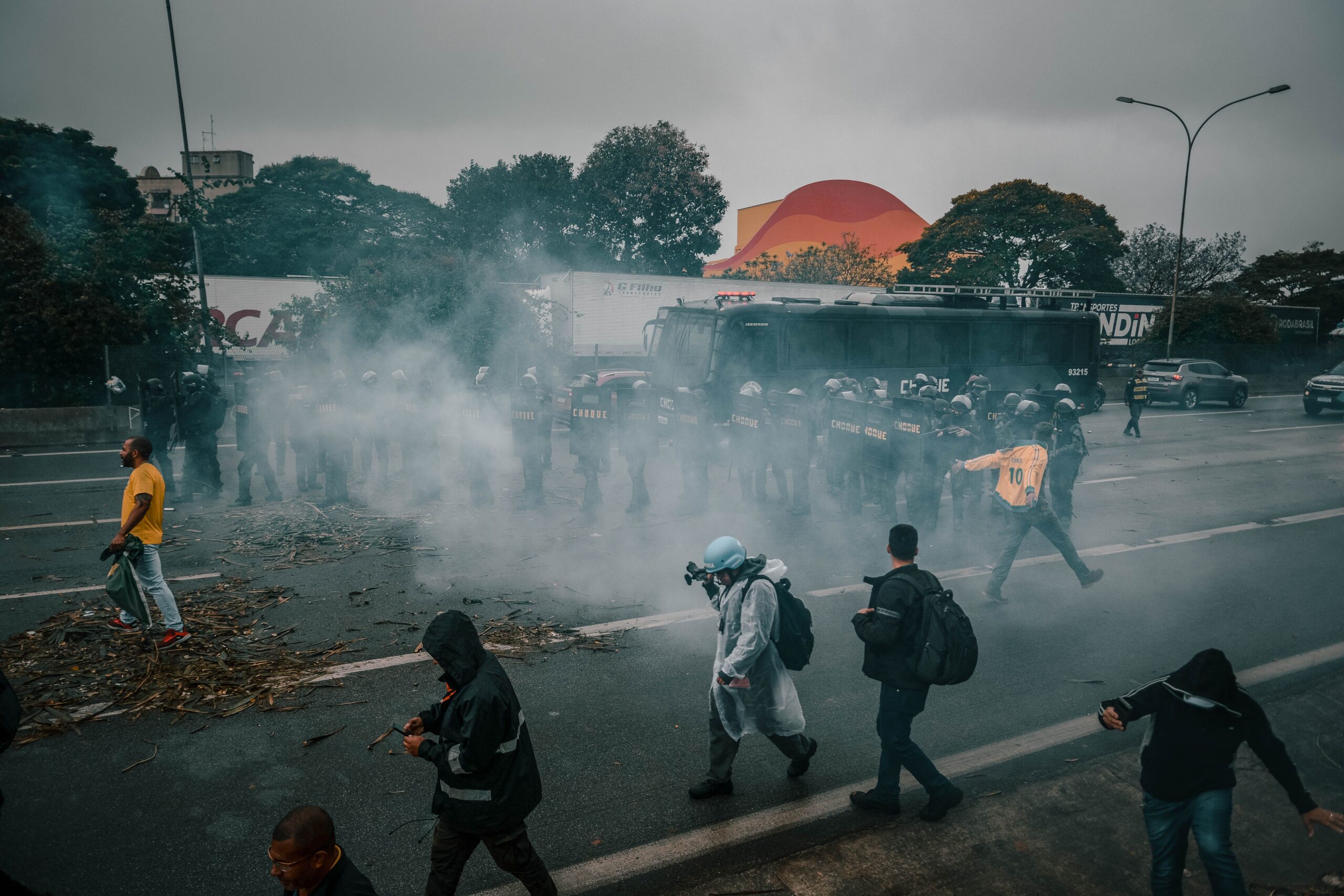
Environmental activist Sonam Wangchuk has issued a stern warning regarding the ongoing detentions. He stated that if the detained leaders in Delhi are not released, he would lead a “fast foot march,” a form of non-violent civil disobedience involving a slow, deliberate walk towards the Prime Minister’s office. This threat indicates that the movement is preparing for a prolonged phase of resistance if immediate demands for the release of arrestees are not met.
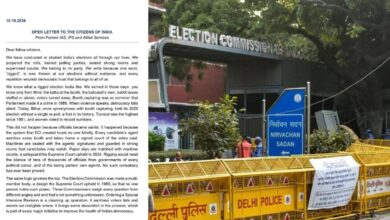
The core of the dispute centers on the appointment of the Chief Election Commissioner. Critics argue that the process lacks transparency or that the appointed individual does not meet the requisite independence standards for overseeing free and fair elections. The opposition has framed this issue as a threat to the integrity of India’s electoral system, mobilizing students, youth, and civil society organizations to join the protests. The term “CJP” in early reports likely refers to the legal or police custodial actions taken against protesters, which has become a focal point of anger among demonstrators.
Political leaders from various opposition parties have unified their stance, using the CEC issue to rally support and criticize the central government’s handling of institutions. The detention of high-profile figures like Imran Khan and Arvind Kejriwal has further galvanized their supporters, turning the protest into a broader political movement against the government. The government, in response, has emphasized the rule of law and the necessity of maintaining law and order in the capital.
No immediate resolution has been announced. The next key development will likely hinge on the judicial review of the CEC appointment and the government’s decision regarding the release of detained leaders. If the “fast foot march” proceeds as threatened, it could bring the capital to a standstill, escalating the political pressure on the central government. The situation remains fluid, with continued protests expected until a substantial response is offered to the demonstrators’ demands.