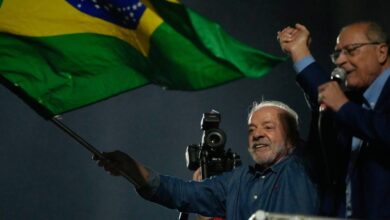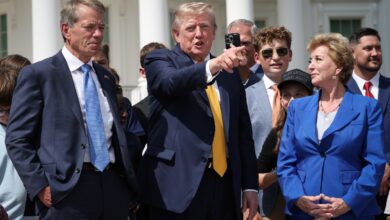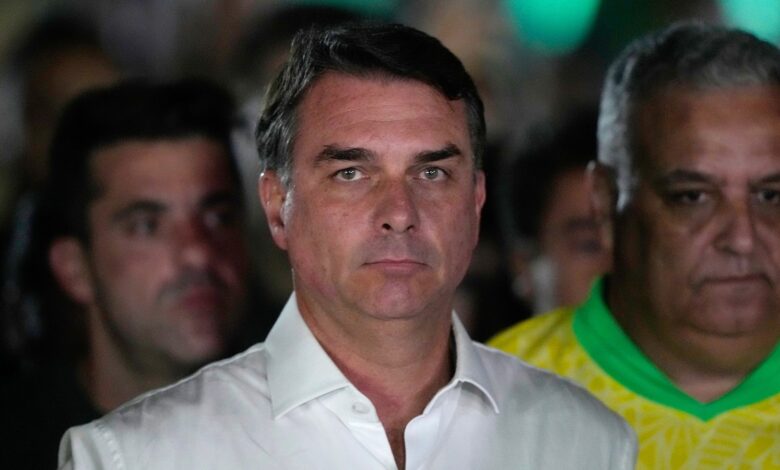
The rapid departure from Brazil raised immediate questions about the senator’s intentions and the circumstances surrounding his exit. Brazilian authorities stated earlier in the week that they were unaware of Flávio Bolsonaro’s whereabouts and had launched an investigation to determine if he had fled the country. This official uncertainty contrasted sharply with information available to the U.S. government. According to two U.S. officials, the Trump administration had been actively tracking the senator’s plans and anticipated that he would attempt to leave Brazil for the United States. A senior State Department official confirmed to ABC News that the department intended to allow Bolsonaro and his family to enter the U.S. and issue them visas, a decision that appears to have been executed swiftly.
The timing of the arrival is politically charged, occurring in the shadow of multiple legal investigations facing the Bolsonaro family in Brazil. Flávio Bolsonaro is currently under investigation regarding a sports betting case and a separate probe into the production of a movie about his father, Jair Bolsonaro, according to Brazilian authorities. Additionally, reports indicate that the senator was the subject of a police investigation into money laundering. These legal pressures provide context for the urgency of his departure, although his former campaign manager, Rogerio Marinho, denied knowledge of any premeditated plan to flee. Marinho stated that the senator did not inform him of his intention to leave the country, suggesting the move may have been sudden or uncoordinated with his immediate political team.
The broader political implications of the senator’s arrival are compounded by statements made by the U.S. President. On Monday, just one day before Flávio Bolsonaro’s confirmed landing, President Donald Trump alleged that the Brazilian election “looked like another rigged election, frankly.” This assertion was made without cited evidence and stands in direct contrast to the official results announced by Brazilian electoral authorities, which confirmed Lula’s victory in the Sunday runoff. The juxtaposition of the U.S. granting visas to a Brazilian politician under investigation while simultaneously casting doubt on the integrity of Brazil’s democratic process has intensified diplomatic tensions. The move underscores the complex relationship between the two nations, where domestic political alliances in the U.S. appear to intersect with judicial and electoral matters in Brazil.
For the Brazilian political establishment, the departure of a prominent figure from the right-wing camp adds a layer of complexity to the transition period following the election. The Bolsonaro faction, already dealing with the defeat of its presidential candidate, now faces the distraction of a legal and diplomatic controversy involving one of its key figures. The investigation into Flávio Bolsonaro’s whereabouts, conducted by Brazilian authorities who were initially unaware of his travel, highlights the challenges faced by state institutions in managing high-profile political figures who operate across international borders. The fact that the U.S. administration was tracking the senator’s movements suggests that intelligence sharing or diplomatic channels were active in the days leading up to the election, further blurring the lines between domestic politics and international relations.
Opposing positions within Brazil remain stark. Supporters of Lula and the center-left coalition view the election result as a definitive mandate for their policy direction, while critics on the right continue to contest the legitimacy of the outcome, a narrative amplified by international figures such as President Trump. The legal probes against the Bolsonaro family, including those involving Flávio, are seen by some as politically motivated by the incumbent administration, while others view them as necessary checks on corruption. The U.S. decision to issue visas to the senator and his family, despite these ongoing investigations, may be interpreted by some in Brazil as a lack of respect for Brazilian judicial independence, or by others as an extension of asylum-like protections for political figures facing domestic legal challenges.
What remains uncertain is the long-term impact of this episode on Brazil-U.S. relations and the internal cohesion of the Brazilian right. The senator’s presence in the U.S. may allow him to avoid immediate legal consequences in Brazil, but it also isolates him from the domestic political arena where the party is currently regrouping. The Trump administration’s role in facilitating this move, combined with its public skepticism of the election results, sets the stage for further diplomatic friction as the new Lula administration takes office. The next political development will likely hinge on whether Brazilian authorities formally request the senator’s return or extradition, and how the U.S. government responds to such a request, testing the limits of bilateral cooperation on legal and political matters.