
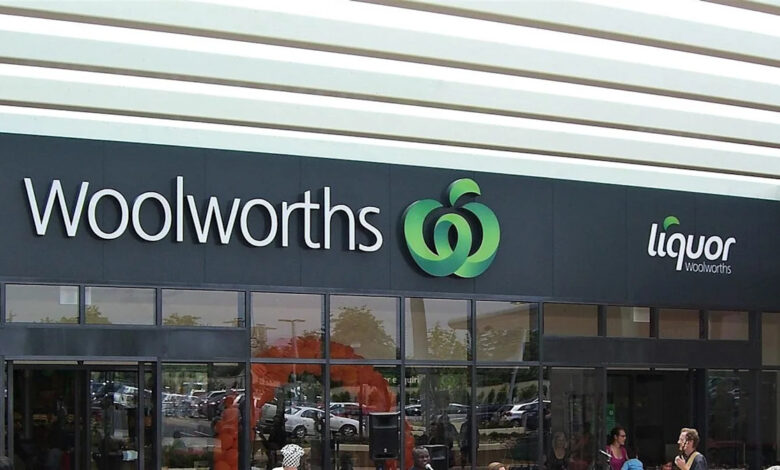
However, the reception in the financial markets was mixed. Shares in Woolworths crashed 10% on Wednesday following the release of the trading update, with some observers describing the underlying performance as a “very, very poor number.” This reaction highlights a disconnect between headline revenue growth and the specific metrics that drive shareholder value, such as comparable store sales growth and volume trends. Reports indicate that comparable store sales growth was flat, and volumes were seemingly moving backwards, suggesting that the revenue increase may be driven by factors other than pure organic traffic growth, or that it is masking underlying softness in specific segments.
Chief Executive Amanda Bardwell attributed the sales performance to the company’s aggressive pricing strategy. She stated that the supermarket’s investment of more than A$100 million in price cuts over the past year is paying off. According to Bardwell, these measures have drawn more budget-conscious Australians to the store, helping Woolworths outperform its primary rival, Coles. The strategy appears to be resonating with consumers navigating cost-of-living pressures. Bardwell noted a shift in consumption patterns, specifically citing double-digit sales growth in cheap proteins such as lean mince during the first quarter of the 2026-27 financial year. This data point aligns with broader economic trends where households are trading down to lower-cost alternatives to manage household budgets.
The trading update reveals a complex interplay between pricing power and cost management. While the A$19.35 billion revenue figure provides the necessary scale to support ongoing multi-year investment programs, the path to profitability remains contested. Woolworths is currently executing significant capital projects, including the rollout of automated distribution centers, the expansion of e-commerce capabilities, and the repositioning of its New Zealand Food and BIG W divisions. These initiatives aim to improve efficiency and diversify earnings, but they require a stable margin environment to be sustainable.

The primary risk identified in the current trading environment is margin pressure. Several structural factors are working against the efficiency narrative. First, regulatory scrutiny on pricing practices has increased, limiting the retailer’s ability to rely on price hikes to boost revenue. Second, input costs, particularly fuel and logistics, remain elevated. These rising costs directly impact the margin buffer that price-cutting strategies create. If input costs rise faster than the efficiencies gained from automation and logistics improvements, the net effect on earnings could be negative, even if sales continue to grow.
Analyst consensus currently builds in revenue growth of approximately 4.3% per year over the next few years. The latest quarter’s ~4.7% year-on-year sales growth ($19,353m vs $18,483m) sits slightly above this consensus trajectory, suggesting the company is currently outperforming baseline expectations. However, the market’s sharp negative reaction to the update suggests that investors are prioritizing the quality of that growth over the quantity. The flat comparable sales and potential volume declines indicate that the “value-focused” pricing strategy is effective in retaining customers but may not be generating the volume surge necessary to drive substantial earnings leverage.
The situation in New Zealand remains a specific watchpoint. The ongoing recovery work in the New Zealand Food division adds a layer of complexity to the group’s overall performance. While the Australian business shows signs of resilience through price competitiveness, the New Zealand operations continue to require significant management attention and capital to return to peak performance. This dual-front challenge requires the group to balance immediate pricing pressures in Australia with long-term structural fixes in New Zealand.

For households, the data reflects a clear adaptation to economic conditions. The rise in lean mince sales is a tangible indicator of consumers adjusting their cart to prioritize affordability. By investing in price cuts, Woolworths has positioned itself as a primary destination for these value-seeking shoppers, effectively locking in market share against competitors. However, the sustainability of this model depends on whether the company can maintain these lower price points while simultaneously absorbing rising fuel and supplier costs.
Looking ahead, the key metric to watch is not just top-line sales, but the execution of cost efficiency programs. The A$19.35 billion revenue base provides the scale needed to spread fixed costs, such as automation and AI investments, across a larger volume of transactions. If these efficiencies can keep pace with input costs, the margin pressure may ease. Conversely, if regulatory constraints on pricing continue to tighten while fuel costs remain high, the “value” proposition may become difficult to sustain without eroding profitability. The next data release will need to clarify whether the recent sales growth is translating into stable or improving EBIT margins, or if the 10% share price drop was a justified pre-emptive move by the market.