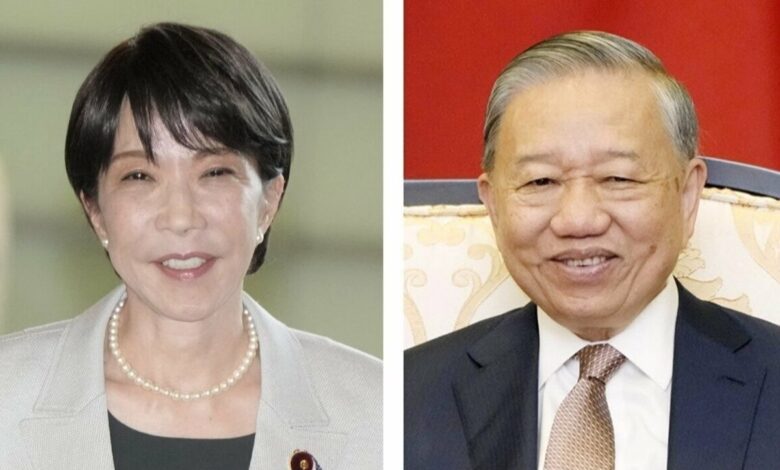
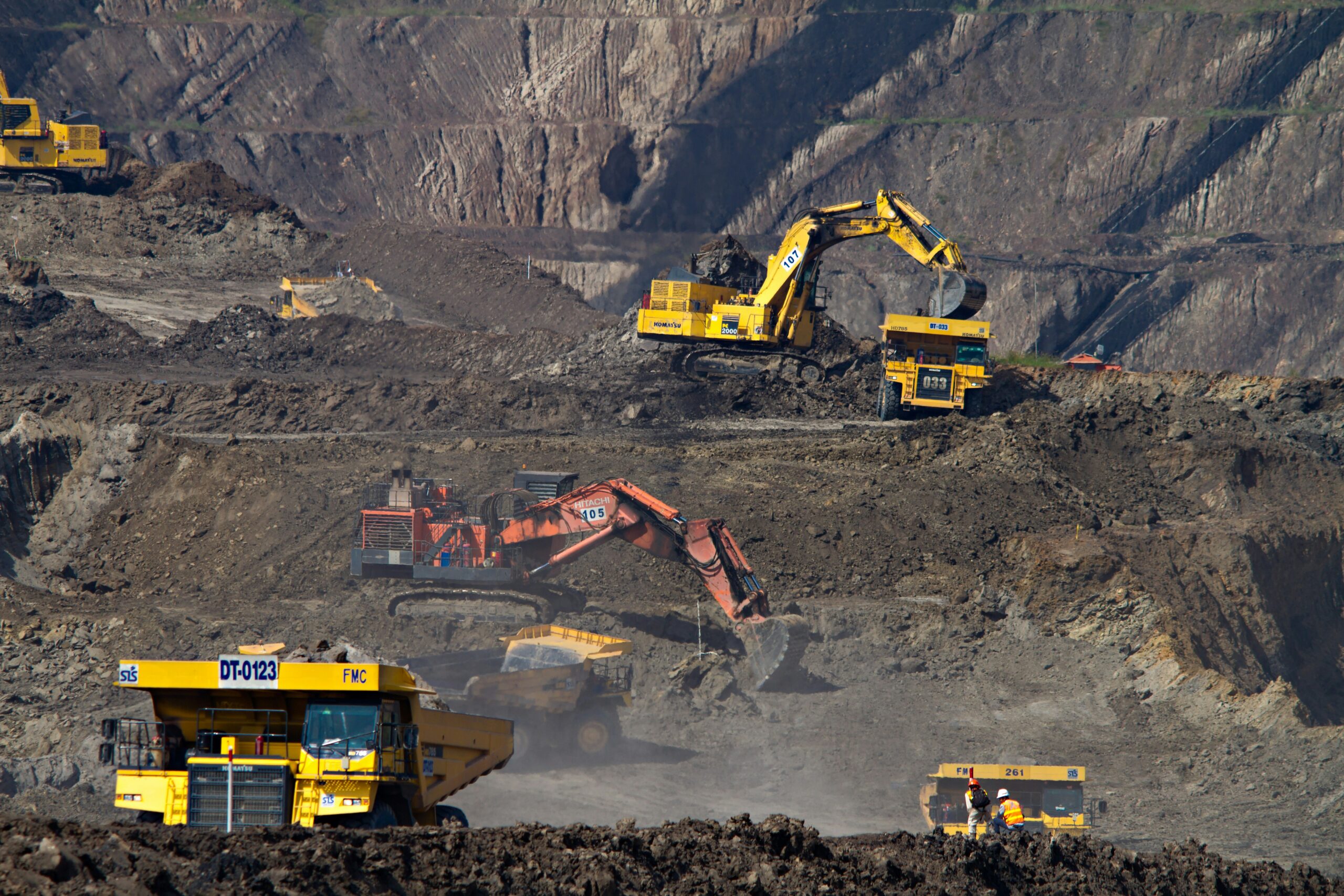
According to Takaichi, the two leaders agreed to accelerate public-private cooperation on critical minerals, identifying economic security as a top priority in their bilateral relationship. This strategic alignment is not merely symbolic; it is a direct response to recent disruptions, including the effective closure of the Strait of Hormuz during the ongoing Middle East conflict and Beijing’s imposition of export controls on Japan, specifically targeting rare earth minerals. The summit resulted in the announcement of ten new deals and a mutual pledge to boost bilateral trade to as much as $100 billion by 2030, representing a substantial expansion of their economic interdependence.
The diplomatic move underscores a shift in how Tokyo and Hanoi view their partnership. Takaichi, who visited Vietnam in May, used the opportunity to unveil an updated version of Japan’s “free and open Indo-Pacific” concept. This framework is widely interpreted as a counter to China’s growing influence in the region. Lam, who is on a four-day visit to Japan, addressed the House of Representatives ahead of the leaders’ talks, stating that Vietnam “highly appreciates” the unveiling of this evolved concept in Hanoi. He affirmed Vietnam’s support for the vision, describing it as a force that “contributes to maintaining regional peace, as well as promoting cooperation and development in the Indo-Pacific in accordance with international law.”
Energy security emerged as a central pillar of the negotiations. The two nations agreed to deepen cooperation in trade, technology, defense, and energy, with specific attention paid to gas-fired and LNG power generation projects involving Japanese companies. Takaichi also highlighted plans for nuclear energy cooperation. This focus on energy resilience builds on earlier agreements, such as the May decision to designate Vietnam’s Nghi Son Refinery and Petrochemical Complex as the first project under a Tokyo-led financing framework. This framework is designed to ensure stable energy supplies for Asian nations with limited strategic oil reserves, a vulnerability exacerbated by global supply chain fragilities.
Security cooperation has also been elevated in status. Takaichi stated that the two countries agreed to strengthen security cooperation to promote a rules-based international order. Notably, Japan aims to provide equipment for U.N. peacekeeping operations, a step that reflects a broader willingness to share the burden of regional stability. Both nations face similar geopolitical pressures: Japan contends with territorial claims by Beijing in the East China Sea, while Vietnam navigates disputes in the South China Sea. Despite these tensions, Vietnam maintains a multidirectional foreign policy, seeking to balance its relations with China while deepening ties with other major powers like Japan. This delicate balance is evident in Lam’s diplomatic language, which supports the Indo-Pacific vision while avoiding explicit confrontation with Beijing.
The visit marks the first in 11 years by a Vietnamese Communist Party chief to Japan, underscoring the heightened strategic importance of the relationship. The bilateral dynamic is undergoing a profound transformation, moving beyond traditional trade and investment to include defense, technology, and critical resource supply chains. As Vietnamese resident numbers in Japan increase and economic reliance on Tokyo evolves, the people-to-people ties are strengthening alongside state-level cooperation. The summit concludes with a renewed commitment to their “Comprehensive Strategic Partnership for peace and prosperity in Asia and the world,” a phrase Takaichi used to describe the potential for their nations to make “great strides forward.”
As Lam and his wife, Ngo Phuong Ly, conclude their itinerary with a meeting and lunch with Emperor Naruhito and Empress Masako at the Imperial Palace before returning to Vietnam on Wednesday, the groundwork for a more integrated and resilient Indo-Pacific architecture has been laid. The immediate consequence is a tighter web of economic and security dependencies designed to withstand external shocks. In the longer term, this alliance may reshape regional dynamics, offering an alternative to the strategic dominance sought by China. The unresolved tension remains how these two nations will navigate the complexities of balancing their strategic alignment with the need to maintain stable relations with their largest trading partner, China, in an increasingly fragmented global order.