Sources indicate that if major combat operations resume, they are expected to involve extensive bombing of Iranian energy infrastructure, critical civilian targets, and nuclear facilities. The timing of such an operation could be influenced by the upcoming U.S. midterm elections and the Israeli elections, which are scheduled to take place one week earlier. A resumption of hostilities within the next three to four weeks could impact global oil markets, potentially driving up prices in the lead-up to the American vote.
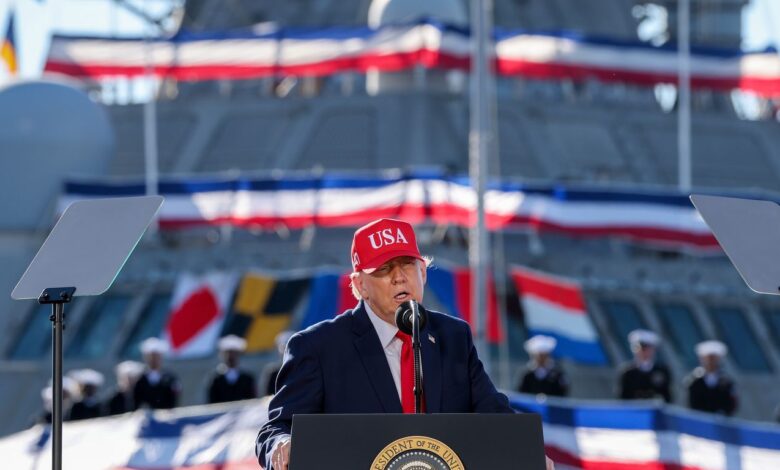
A Pentagon official stated that the department’s role is to develop and present military options to the President. A White House official emphasized that the administration retains all options and currently holds a strategic advantage, citing U.S. control of the Strait of Hormuz and the deteriorating state of the Iranian economy. “Iran has been decimated, and things will go one of two ways: the easy way or the hard way,” the official said, adding that President Trump will make the decision that is best for the United States.

Negotiations between the U.S. and Iran have made no progress. Qatari mediators are currently awaiting an Iranian response to a U.S. counterproposal, which included demands for nuclear concessions. The lack of diplomatic breakthrough has increased the likelihood of a military solution. Israeli officials noted that the Iranian regime is acting out of desperation and paranoia, factors that may increase the risk of a preemptive Iranian strike.
On Friday, Trump’s national security team met at Camp David for several hours to discuss the war and broader foreign policy issues. An Israeli official confirmed that part of the meeting focused on the possible resumption of major combat operations. Secretary of State Marco Rubio described the meeting afterward as focused on “long-term” foreign policy planning. The U.S. President also spoke by phone with Israeli Prime Minister Benjamin Netanyahu on Wednesday, marking their second conversation in several days after a period of minimal contact. The discussion reportedly touched upon remembrance for the victims of the October 7 attacks.
Israeli officials assessed that the chances of a resumption of major combat operations before the elections are not high but cannot be ruled out. They stated that the probability increases significantly after the U.S. midterm elections. If hostilities resume, U.S. and Israeli forces are expected to operate in tandem, with the Israeli military participating directly. The two nations have recently engaged in high-level coordination, including a call between Netanyahu and Rubio on Monday.
The potential for renewed escalation carries significant political and humanitarian implications. A resumption of war could influence the Israeli election cycle, as Iran would likely retaliate with hundreds of ballistic missiles. Such an escalation could create a heightened state of emergency in Israel, which political analysts suggest may affect the campaign landscape. Meanwhile, the Iranian regime, having suffered two surprise attacks previously, is reportedly eager to avoid a third, leading to increased internal security measures and a paranoid posture within its leadership.
Military planners are finalizing logistics and targeting packages for potential strikes. While the Pentagon has completed the preparatory phase, the decision to authorize major combat operations remains with the President. Diplomatic channels, mediated by Qatar, remain open but inactive pending Tehran’s response. The international community is monitoring the situation closely, with energy markets and regional security partners on alert for any signs of imminent military action.