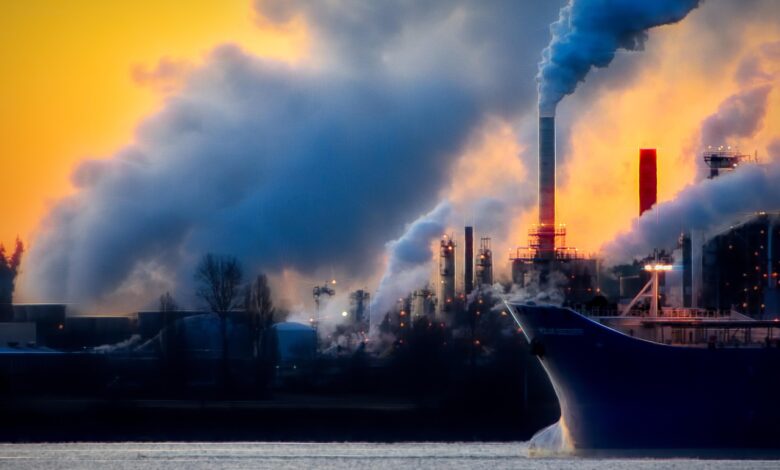
A detailed analysis by Hindustan Times of CPCB records indicates that this was not an isolated technical glitch. Across 39 Delhi stations that had also reported data during last year’s Diwali, 43 out of 59 stations experienced a gap in PM2.5 reporting between 10:00 pm and 6:00 am. For the 1:00 am hour, only 13 of the 39 stations transmitted a PM2.5 reading, while 38 continued to send data for nitrogen dioxide, a gas. The pattern suggests a specific threshold: no PM2.5 reading from any station exceeded 1,000 µg/m³. The highest values recorded were exactly 1,000.0 at Sirifort and ITO, sent in the early morning after the stations resumed transmission.
This data truncation obscures the true magnitude of the pollution event. Last Diwali, 29 of the 39 stations recorded at least one hour above 1,000 µg/m³, with the peak reaching 2,224 µg/m³ at NSIT Dwarka, according to open-data records. This year, the absence of readings above the 1,000 µg/m³ mark coincides with the highest pollution hours. While stations that lose power or connectivity typically stop sending all data, these stations continued to report gas levels, pointing to a potential limit within the monitors themselves or the CPCB’s data system. Whether this limit is new or a long-standing feature remains unanswered, as the CPCB has not yet responded to queries regarding the cause of the caps.
The implications for public health metrics are significant. The Air Quality Index (AQI) is calculated based on 24-hour averages, but the data gaps skew these averages lower. HT’s analysis, counting only the recorded hours, estimates Delhi’s AQI for the 24 hours leading to 9:00 am on November 9 at 437. If the blank hours are estimated using linear interpolation between the last recorded reading before the gap and the first after it, the AQI rises to 471. However, this interpolation method assumes a linear rise and fall, meaning it cannot account for readings above 1,000 µg/m³. If the air quality did exceed this threshold during the gap—as it did in previous years—the actual AQI would be higher, potentially reaching the scale’s maximum of 500, which corresponds to a PM2.5 level of approximately 380 µg/m³. In reality, the median PM2.5 reading at 2:00 am among the 14 stations still reporting was 693 µg/m³, a level that exceeds the top of the AQI scale.
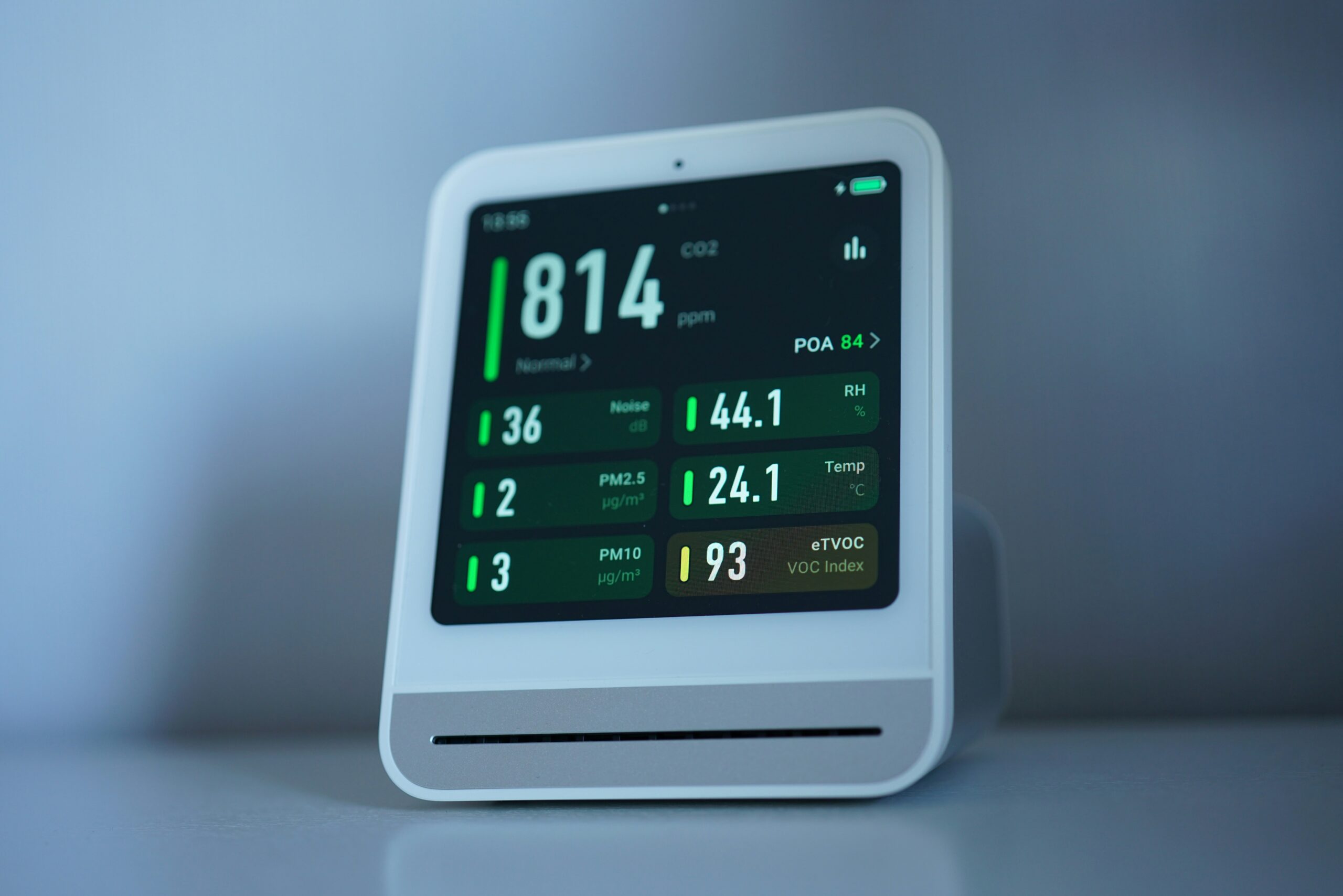
The CPCB’s official AQI at 9:00 am was 370 for all Delhi stations, and 381 for the 39-station subset. The discrepancy with HT’s estimates stems largely from the exclusion of blank hours. Seven stations, including Nehru Nagar and Pusa, sent no PM2.5 data at all during the critical overnight window. Because a station requires 16 hours of readings to contribute to the city’s average, these stations were excluded from the official calculation, further lowering the reported index. Meanwhile, PM10 readings, which measure coarser particles, dropped out even sooner and more frequently, with only 10 of the 39 stations sending data at 1:00 am and 2:00 am.
Beyond the technical anomalies of the monitoring data, the Diwali pollution spike highlights deeper structural issues in India’s approach to air quality management. Swagata Dey, a policy specialist at the Centre for Study of Science, Technology and Policy (CSTEP), argues that emergency restrictions alone are insufficient. “Delhi’s air pollution crisis cannot be tackled through emergency restrictions alone and requires sustained, year-round action across the Indo-Gangetic Plain,” Dey stated.
The current strategy relies heavily on the Graded Response Action Plan (Grap), which limits emissions by restricting polluting activities. While Dey acknowledges that Grap is effective in controlling emissions—a factor within human control unlike meteorological conditions—its scope is limited to the National Capital Region (NCR). “Grap is still limited to NCR, although a large chunk of pollution still comes from outside NCR,” Dey noted. The Indo-Gangetic Plain is the true “airshed,” where air pollution acts as a transboundary problem. CSTEP’s research indicates that all states in the region are both sources and receptors of pollution, yet coordination remains fragmented.
Additional challenges include the effectiveness of “green” firecrackers. Dey explains that while these are formulated to produce lower emissions, they remain lab-tested in small batches without proven quality control at scale and still produce smoke. Enforcement of bans on conventional firecrackers has been difficult due to population scale and constraints, despite the NCR ban being in place for nearly five years.
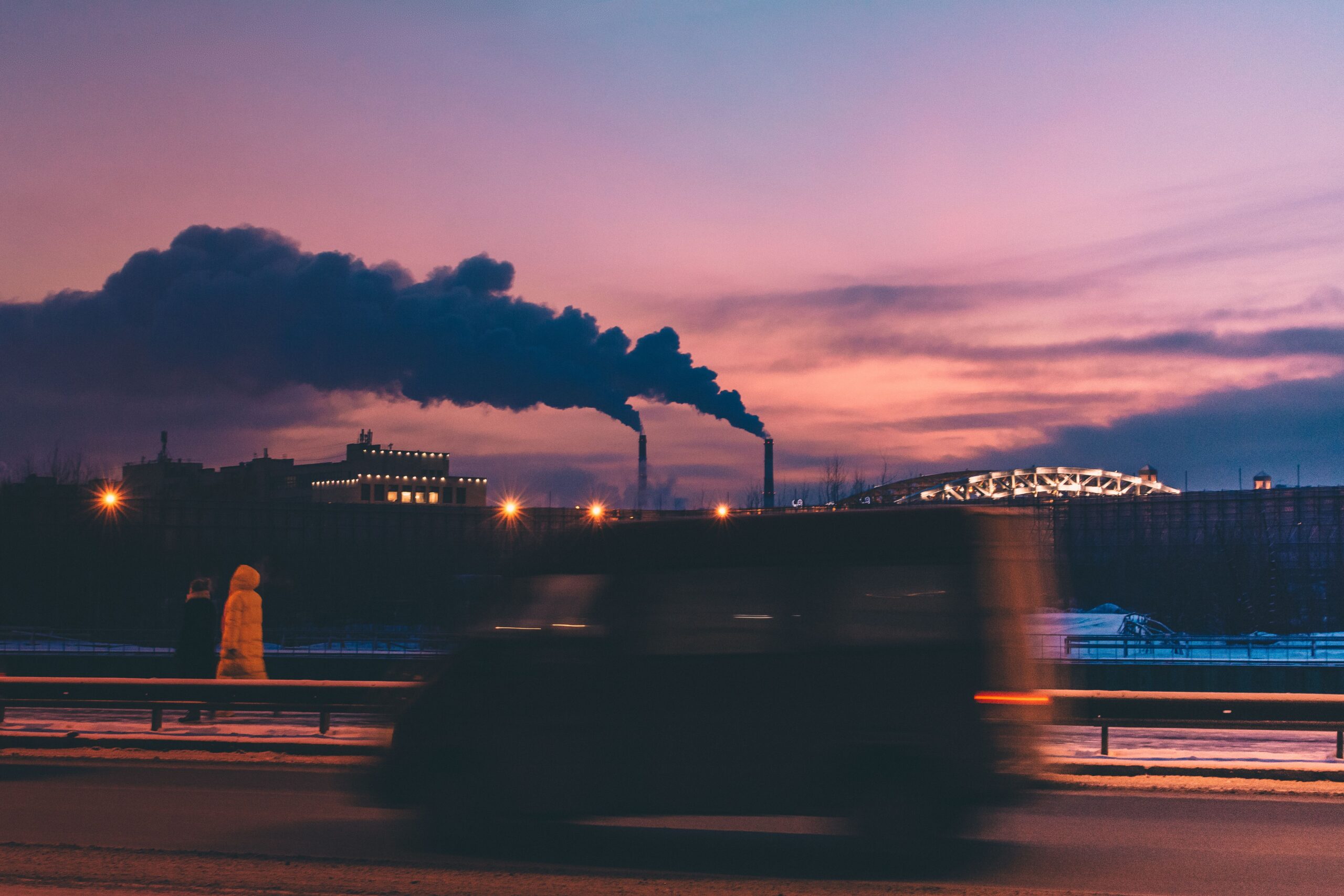
Furthermore, the scientific understanding of pollution sources is evolving but hindered by outdated data. Delhi’s last emission inventory predates the COVID-19 pandemic, a period that saw changes in vehicle mix, the phase-out of BS-III vehicles, and increased adoption of electric buses. Without an updated inventory, it is difficult to quantify the impact of these sectoral shifts. Dey also points to “secondary pollutants”—gases that act as precursors to particulate matter—as an area of concern that remains largely unaddressed by current primary PM control efforts.
Meteorological factors also complicate the picture. This year’s pollution figures must be interpreted with caution due to the influence of a possible Super El Niño, which affects weather patterns and dispersion. While the direction of policy is correct, with the Commission for Air Quality Management (CAQM) expanding its focus, progress is described as “very slow.”
The path forward, according to experts, involves expanding the CAQM’s jurisdiction across the entire Indo-Gangetic Plain and establishing pooled funds from environmental cesses and corporate social responsibility contributions to support cross-state action. Until then, the winter months will likely continue to see a combination of acute pollution events and data limitations that obscure the full extent of the environmental pressure.