
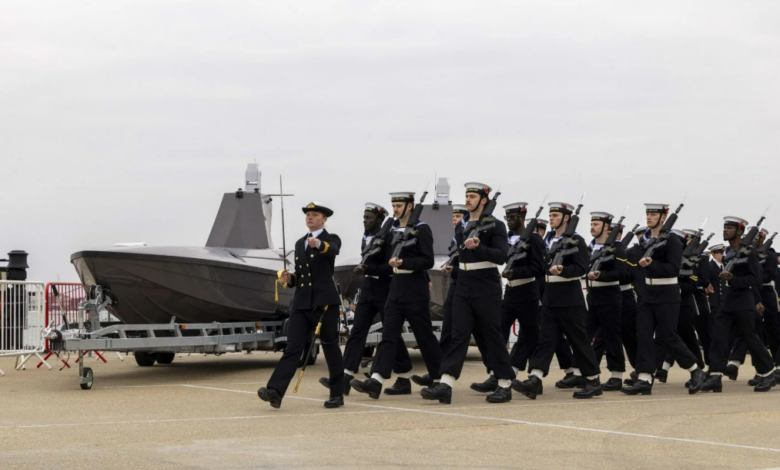
The establishment of the squadron represents a concrete realization of the Navy’s “Hybrid Navy” strategy, a concept supported by a £1.5 billion investment over four years. The core philosophy, articulated by Deputy Commander of the Surface Flotilla Captain Adam Ballard, is to create a force that leverages the “amazing capability and flexibility” of autonomous systems alongside the enduring power of manned assets like carrier strike groups. Ballard described the result as a “potent fighting force,” emphasizing that the Navy is now truly hybrid, taking the benefits of both manned and uncrewed domains. This approach is driven by a recognition that the threat environment is “fundamentally different from that of recent decades,” with Defense Secretary Wes Streeting noting that a major determinant of military power is now who can innovate fastest.
Operationally, the 1st Autonomous Squadron comprises approximately 180 personnel, a number comparable to the crew of a Type 23 frigate. These sailors are split into two watches to sustain around-the-clock operations, a logistical structure that underscores the shift from treating drones as experimental toys to integrating them as professional military assets. The squadron’s primary platforms include the Kraken K3 Scout and Rattler vessels. Built in Fareham, Hampshire, the K3 Scout is a remotely operated craft capable of speeds up to 60 mph (approximately 55 knots). It is designed for surveillance, force protection, and precision strikes, capable of carrying cameras, radar, and weapons systems.
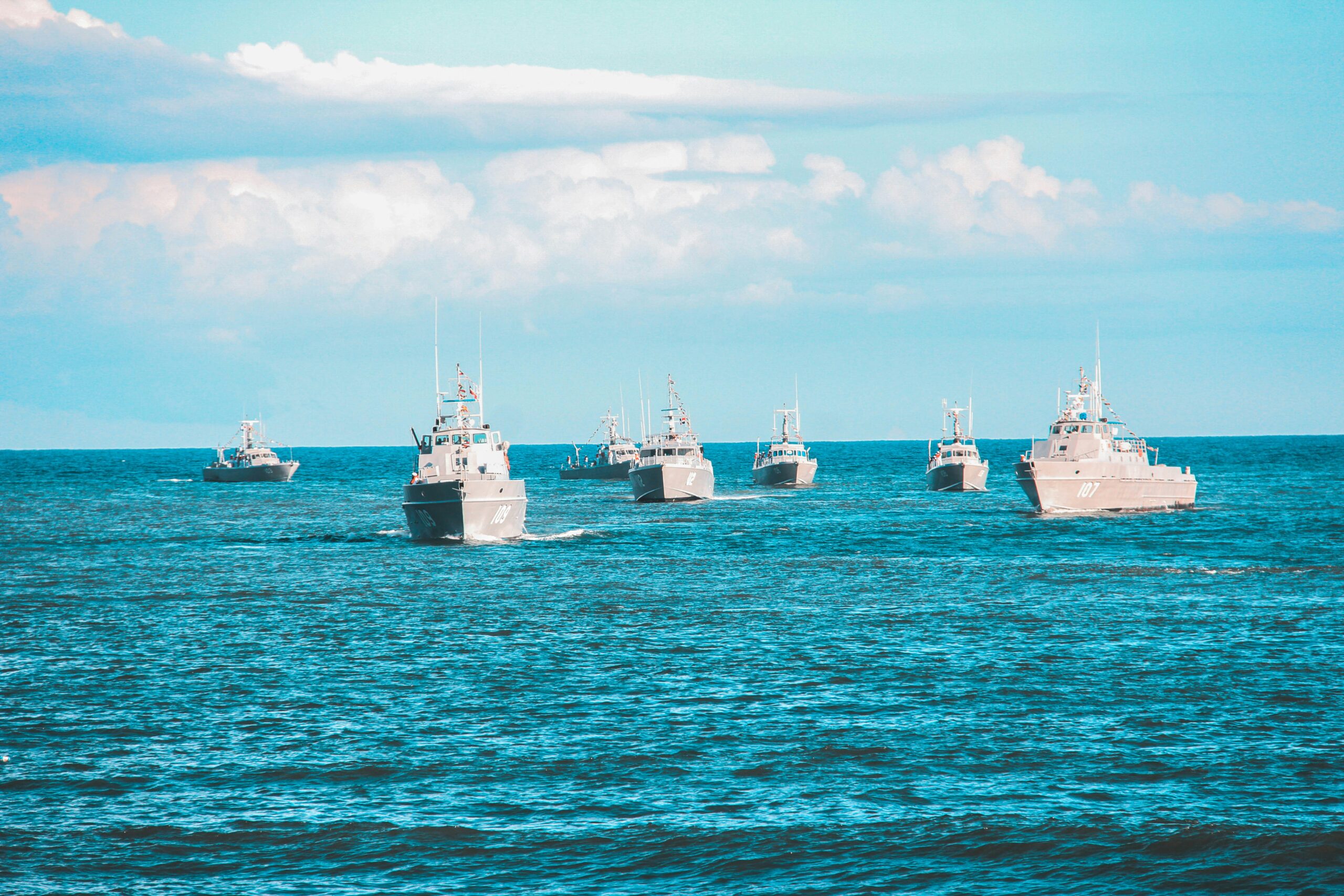
The strategic logic behind this deployment centers on mass, resilience, and cost-exchange. The Fleet Commander described the North Atlantic as a “vast and complex back garden” where dispersed points of presence provide a superior picture of the domain. A single frigate or destroyer can be neutralized by a single engine or radar failure, but a command ship working with several dispersed sensors and weapons presents a far more complicated problem for an adversary. By disaggregating the sensor, the decision-maker, and the weapon, the Navy can push sensors up-threat while keeping command aboard a carrier or frigate. This effectively restores the scouting screen or line of up-threat pickets that modern fleets have struggled to afford with manned vessels alone.
Cost efficiency is a critical driver of this capability. The K3 Scouts are set to deploy counter-drone interceptors within two months, with each interceptor costing between £5,000 and £10,000. This places them at near parity with the one-way attack drones they are designed to engage, in stark contrast to ship-launched missiles that can cost around £2 million. Recent operations in the Red Sea and the Gulf have highlighted the vulnerability of using expensive missiles against cheap drones; the low-cost autonomous screen allows destroyers to conserve their missile magazines for high-value threats. However, analysts note that this cost-benefit applies specifically to small autonomous boats with simple weapons, distinguishing them from complex uncrewed warships like the Type 9X, which require different sustainment models for long-range Atlantic operations.
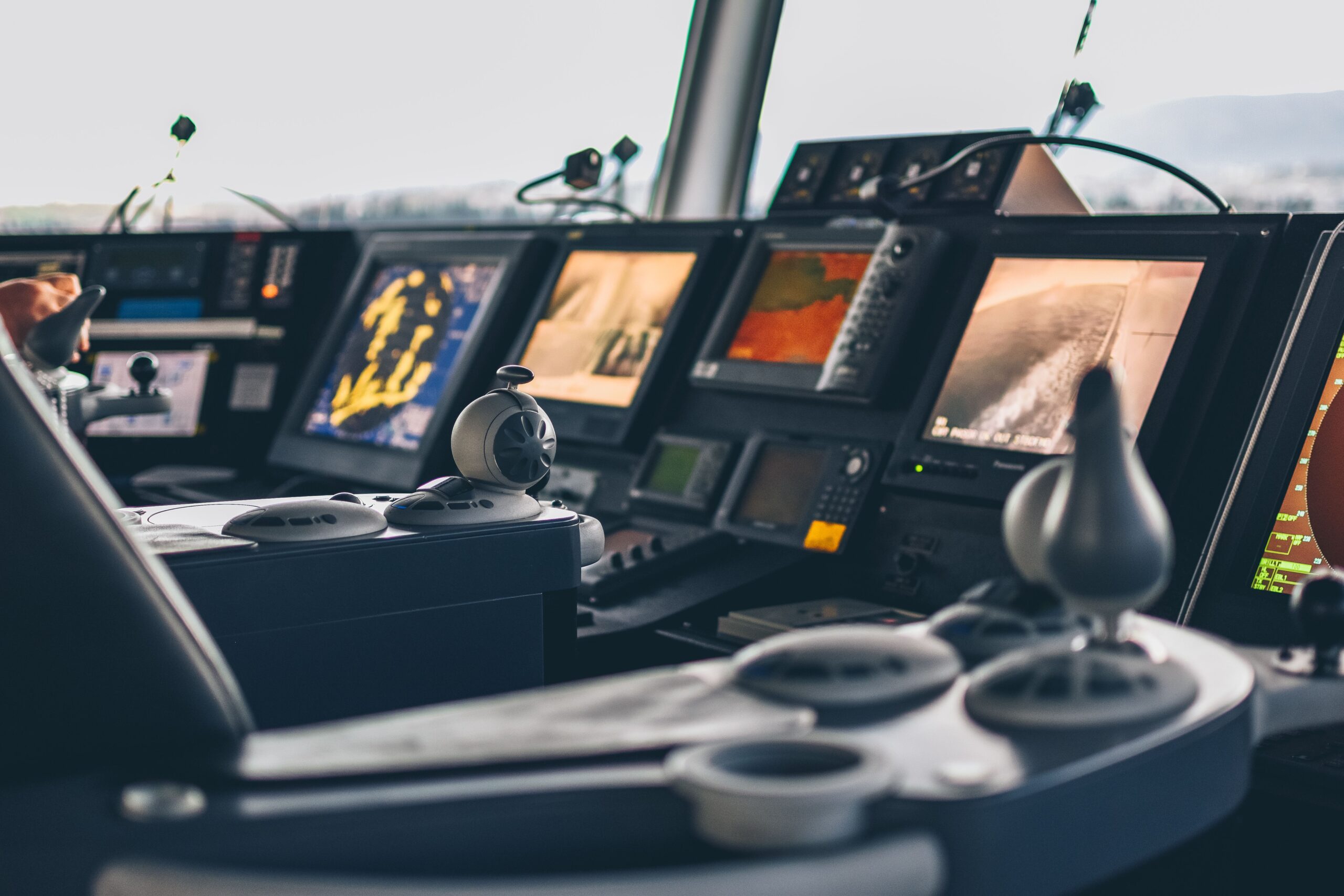
The human element of this transition is equally significant. Lieutenant Reece McCarthy of the 1st Autonomous Squadron described operating the vessels as “100% a young person’s game,” noting that the crew uses standard gaming peripherals like Xbox and PlayStation controls to drive the craft. This accessibility allows the Navy to recruit “genius sailors fresh out of training” who are adept at digital interfaces. Commander Helen Coxon, the squadron’s Commanding Officer, emphasized that the team is building the skills, tactics, and confidence to operate these vessels on the front line, whether independently or as part of a task group with allies. The work is supported by Navy Develop, the Navy’s Disruptive Capabilities and Technologies Office, and its Capability Accelerator team, which opened a new hub at HMNB Portsmouth to rapidly introduce autonomous systems into frontline service.
Despite the optimism, the rapid pace of development presents challenges. Senior officers acknowledged the risks of moving quickly to field equipment in weeks rather than years. There are far more moving parts to deploy and maintain than with a single self-contained warship, and these disparate platforms are heavily reliant on their communications backbone. If the data link fails, the autonomous advantage diminishes. Furthermore, the pressure on personnel is real, as the Navy must build new skill sets while maintaining traditional capabilities. The Second Sea Lord, Vice Admiral Paul Beattie, argued that adding autonomous systems to platforms like the Type 26 frigate adds to the fleet’s mass rather than replacing it, but the Admiral also conceded that he would like more frigates and destroyers and must work with current resources.
The integration of uncrewed systems is not limited to surface boats. In mid-October, the Royal Navy conducted landmark trials in the North Atlantic, launching Nyan Maritime one-way strike drones from the flight deck of HMS Queen Elizabeth. This demonstrated how autonomous strike systems could operate alongside F-35B stealth jets, contributing to future Carrier Strike operations. The 1st Autonomous Squadron is expected to carry out its first operational deployment in the coming months, with initial tasks likely including monitoring Russian warships and protecting undersea cables in home waters. As the Navy moves from demonstration to deployment, the 1st Autonomous Squadron stands as the first fully integrated uncrewed element of the fleet, a test case for the speed and resilience that defines the new era of naval warfare.





One Comment