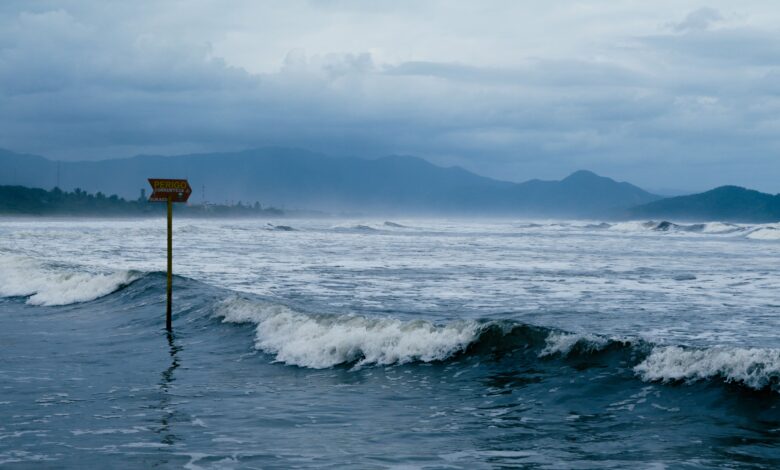
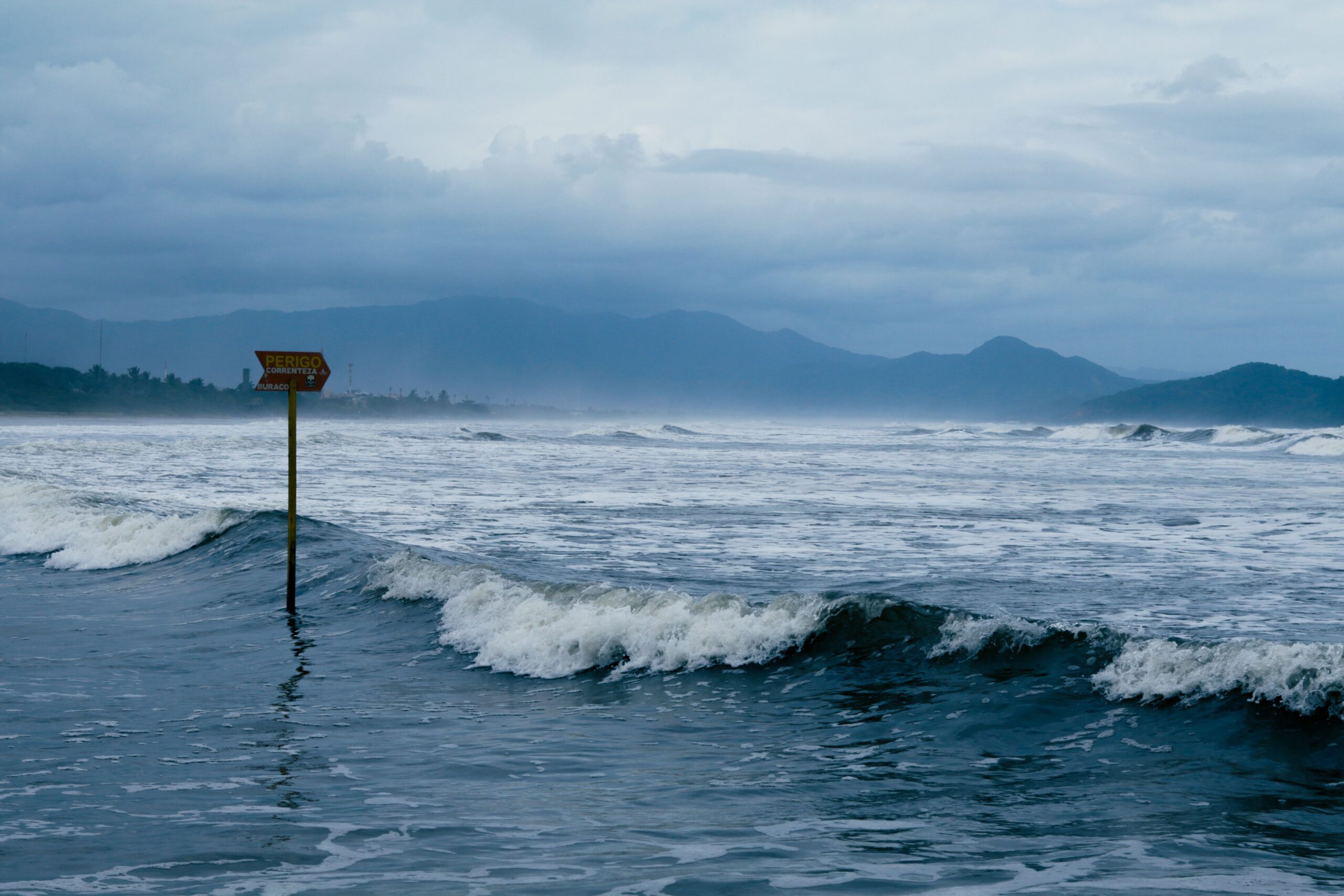
The U.S. Tsunami Warning System indicated potential tsunami threats within three hours of the initial quake. The warnings covered much of Central America’s Pacific coast, as well as coastal regions in Colombia, Costa Rica, Ecuador, Peru, Nicaragua, Guatemala, El Salvador, and Mexico. Officials warned that strong, unusual currents and sudden surges could occur along the shore in these areas.
Aftershocks strong enough to cause additional damage may follow the main shock. Emergency guidance for affected populations includes staying away from the coast and moving to higher ground if near the shoreline. Residents are advised to avoid damaged areas and refrain from entering compromised buildings. Authorities also warned of potential power and communication outages, urging individuals to keep phones charged and travel documents accessible.
The U.S. Department of State issued a worldwide caution, advising Americans to exercise increased safety measures. Citizens abroad seeking consular assistance can contact the Department of State at +1-202-501-4444 from abroad or +1-888-407-4747 from the U.S. and Canada. In Colombia, specific emergency contacts were listed at +57 (601) 275-2000. The Department encouraged travelers to enroll in the Smart Traveler Enrollment Program (STEP) to receive security updates and to follow official instructions from local authorities for recovery and assistance.
Public health resources, including notices from the Centers for Disease Control and Prevention regarding earthquakes and travel, were referenced for additional safety information. The situation remains active, with monitoring continuing for aftershocks and tsunami impacts along the designated warning zones.