
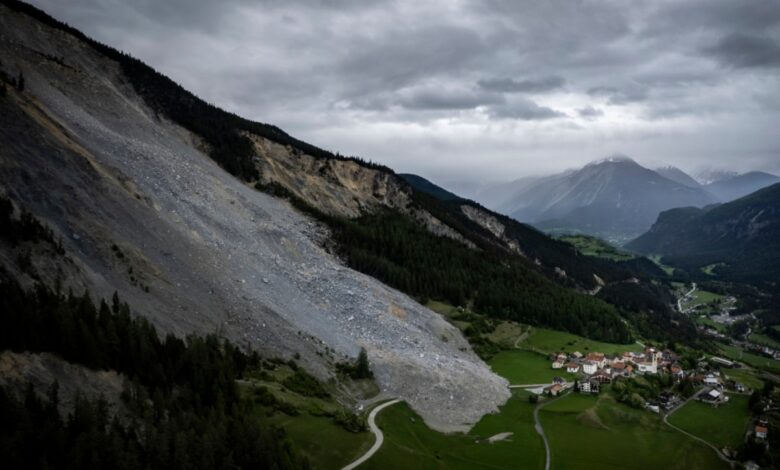
A study published in the journal Engineering Geology by researchers at the WSL Institute for Snow and Avalanche Research (SLF) explains this discrepancy. The delay was caused by a debris slope at the foot of the unstable rock face. As the rock mass moved, it pushed into this existing pile of debris, which acted as a brake, slowing the movement and making precise prediction of the collapse date virtually impossible. “This example highlights the limitations of current approaches to predicting when such an event will occur,” said Robert Kenner, the study leader, in a press release. The braking effect was not constant; it weakened repeatedly as new slip planes formed within the debris pile. These phases of alternating acceleration and deceleration created a dynamic that defied simple linear forecasting.
The situation in Brienz changed abruptly on the morning of June 15, when the western part of the unstable rock mass broke away. This caused the eastern part to come to a standstill, while the remaining mass accelerated sharply, culminating in the final debris flow late that evening. Following the event, the immediate threat subsided. After more than a year of evacuation, residents were permitted to return to their homes at the end of January 2026. While warning systems and protective barriers prevented catastrophic loss of life in Brienz, the incident serves as a case study for the broader challenges facing alpine communities as climate change alters the stability of mountain slopes.
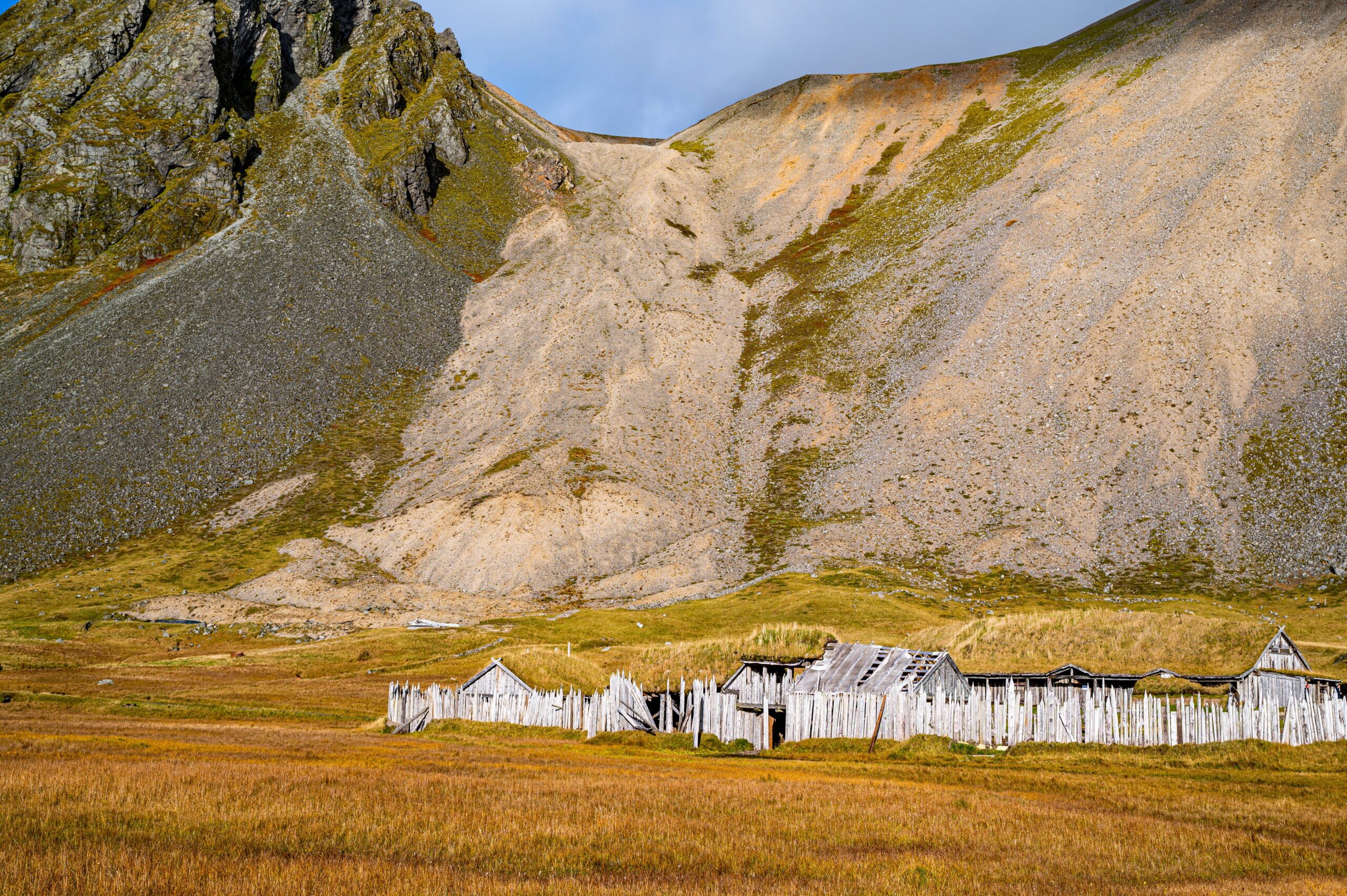
The Brienz event is part of a wider pattern of increasing landslide activity in the Swiss Alps, driven significantly by the thawing of permafrost. Permafrost consists of frozen soil and rocks that help stabilize mountain slopes by acting as a natural cement. As temperatures rise, this ice melts, causing rocks to lose their structural support. This process is currently threatening the village of Kandersteg, located in the canton of Bern, where the Spitze Stein mountain formation is deteriorating. About 1,300 people live in Kandersteg, situated below the unstable rock mass. Scientists link the rising risk of landslides there directly to increasing temperatures and changes in glacier dynamics.
The threat to Kandersteg gains urgency in the context of recent events in neighboring valleys. In May 2025, a massive landslide struck the village of Blatten in the Lötschental valley. A huge mass of rock and ice descended from the mountain, covering a significant part of the village, which had been evacuated beforehand due to the imminent threat. The contrast between Blatten and Kandersteg illustrates the varying degrees of preparedness and geological risk. Residents of Kandersteg, such as Rudolf Isler, note that their situation differs from Blatten because falling rocks from Spitze Stein have been observed for many years. “We are not afraid of the Spitze Stein rock formation,” Isler stated. “We have been seeing rocks fall from there for many years. The problem here is global warming and rising temperatures.” Authorities in Kandersteg have taken precautionary measures, leading residents to view the situation as a managed risk rather than an immediate catastrophe.
Meanwhile, other alpine areas face different but related hazards. At Oeschinensee, a popular lake in Switzerland, a massive rockslide sent more than 3,000 tons of rock crashing down a slope overlooking the water. The event occurred while swimmers were in the lake below, highlighting the proximity of recreational activities to unstable terrain. While the Oeschinensee incident involved a smaller volume of material compared to Brienz, it underscores the frequency of rockfalls in the region. The combination of permafrost thaw, which destabilizes high-altitude slopes, and the complex behavior of debris piles, which complicates prediction models, creates a challenging environment for hazard management.
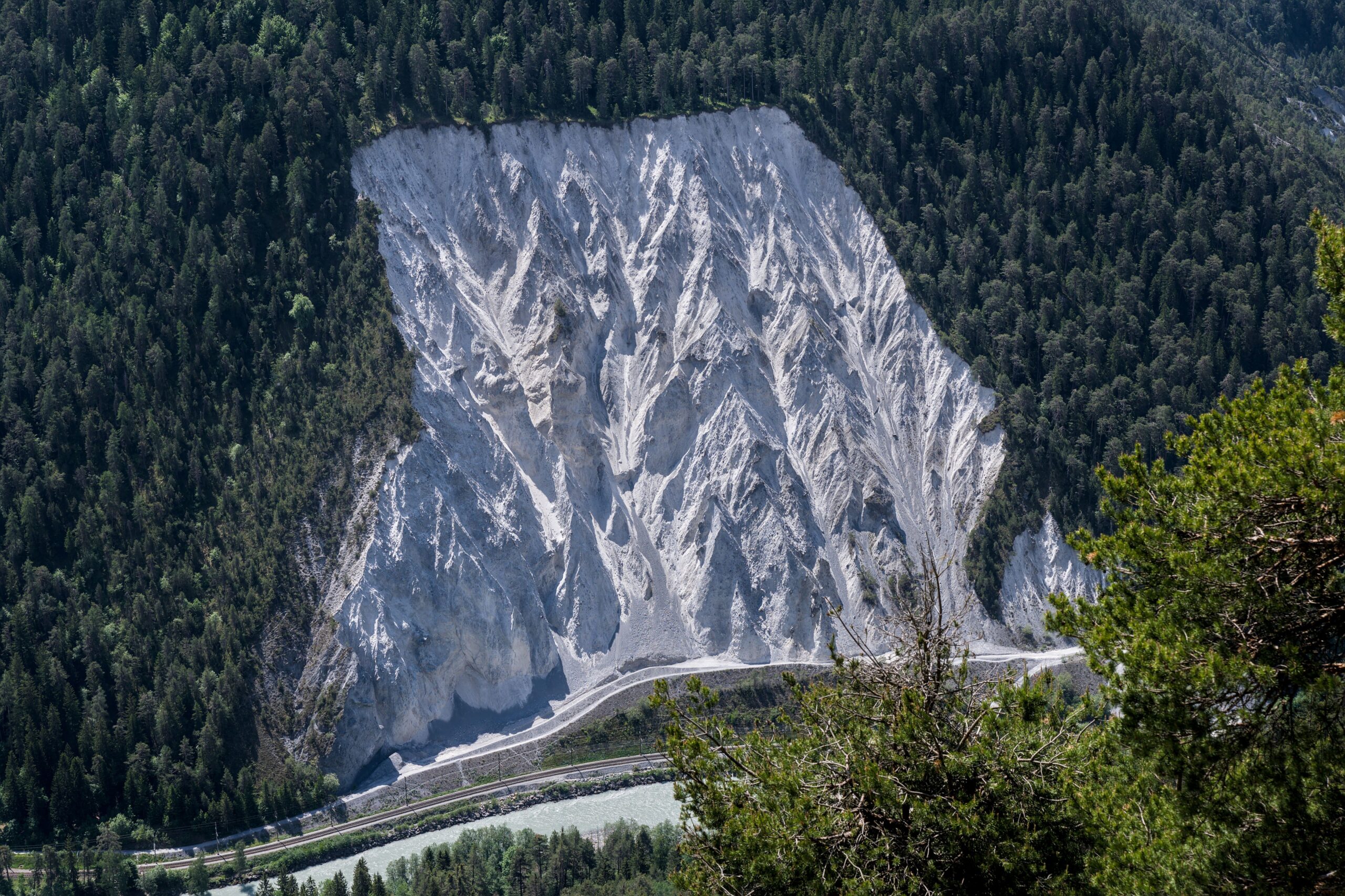
Scientific evidence indicates that as permafrost melts, mountain slopes become increasingly unstable. The “cementing” effect of ice is lost, leading to higher susceptibility to landslides and rockfalls. While specific attribution of individual rockfalls to climate change is complex, the broader trend of increasing slope instability in the Alps is linked to rising temperatures. The Brienz study emphasizes that even when movement is detected, the timing of failure can be unpredictable due to interactions between the sliding mass and existing debris. This unpredictability limits the ability of authorities to issue precise short-term warnings, relying instead on long-term monitoring and protective infrastructure.
As Switzerland and other alpine regions continue to monitor these hazards, the focus remains on adapting to a changing climate. The return of Brienz residents in early 2026 marks a resolution for that specific community, but the underlying geological trends persist. In Kandersteg, the continued observation of Spitze Stein and the implementation of precautionary measures reflect a strategy of coexistence with risk. The data from Brienz and the ongoing threats in Kandersteg and Oeschinensee collectively illustrate that while engineering solutions can mitigate immediate dangers, the fundamental drivers of slope instability—permafrost loss and thermal expansion—are ongoing processes that will likely increase the frequency and unpredictability of landslides in the coming decades.