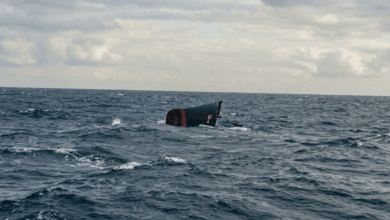
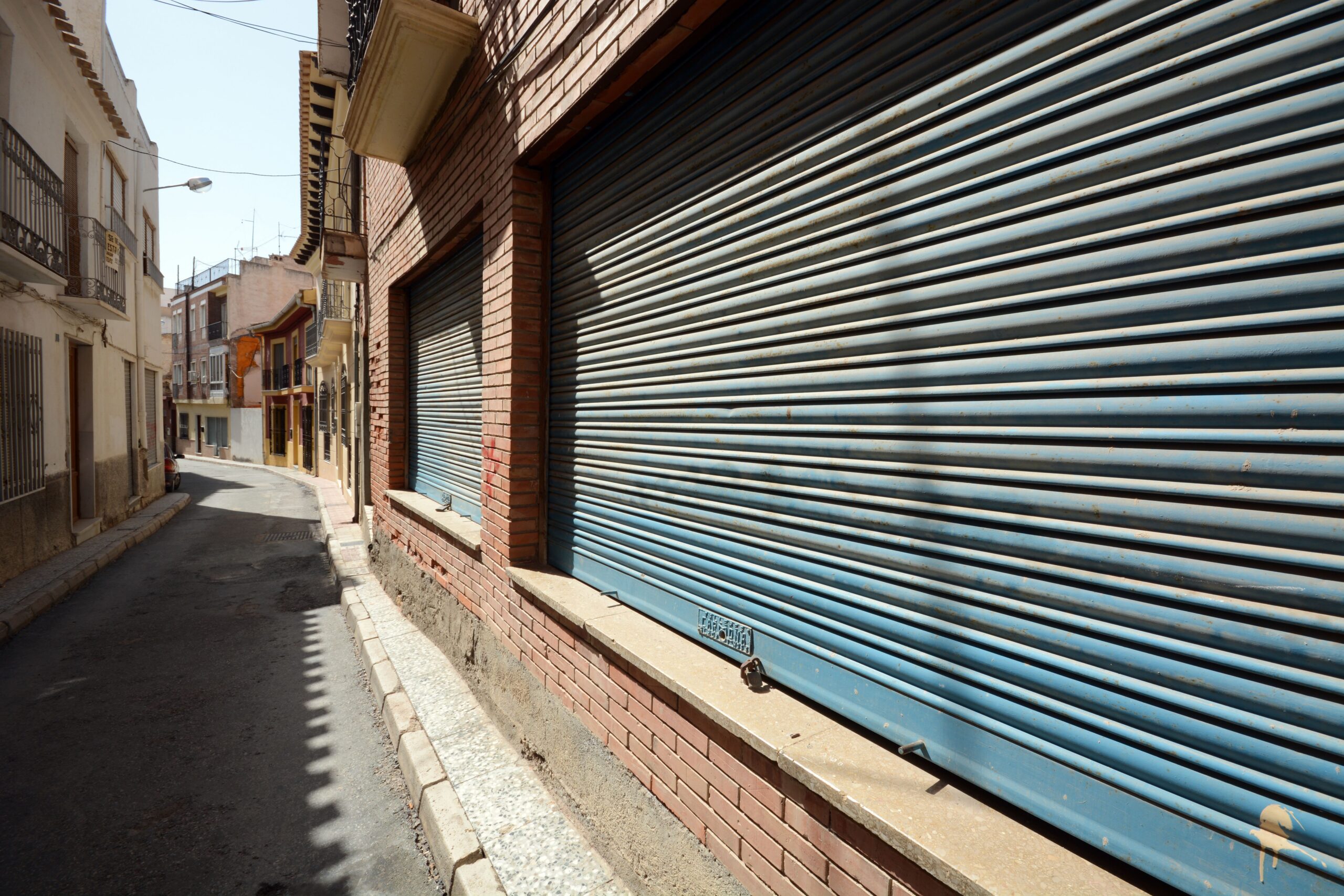
The government told people to stay at home as heavy rain and rough seas were expected to batter the Portuguese coast. Authorities warned of wind gusts of up to 140 kph (85 mph). Streets in the capital, Lisbon, remained largely deserted ahead of the storm’s arrival. Buses without passengers drove through the city, where some streets flooded due to clogged drains.
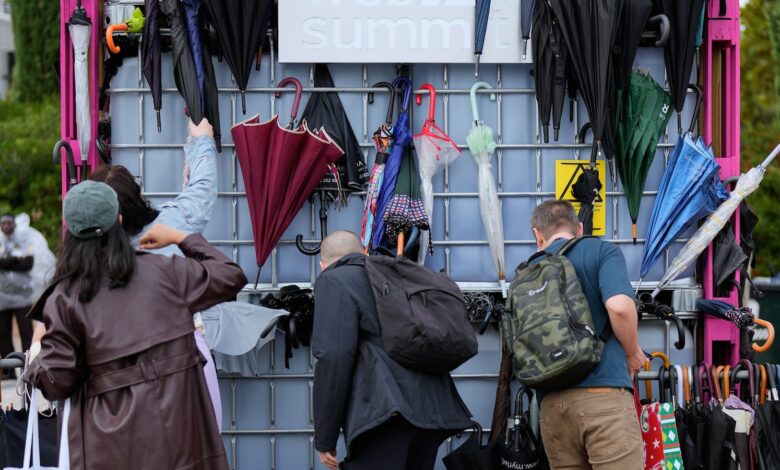
The closure extended to the private sector as well. A national supermarket chain closed its stores, and an international technology conference in Lisbon, attended by around 70,000 people, called off the day’s events. The coordinated shutdown reflects the severity of the forecast, which indicates the brunt of Storm Charles will hit the Atlantic coast on Wednesday afternoon and evening.
The storm is approaching from the southwest. It previously struck the Portuguese island of Madeira on Tuesday, bringing winds of 130 kph (81 mph). Meteorological models predict the system will intensify as it moves toward the mainland, with the worst conditions expected during the late afternoon and evening hours.
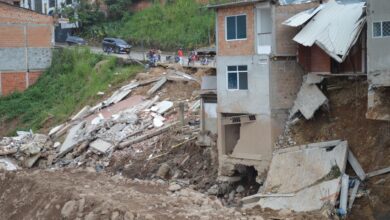
The decision to close schools comes amid scrutiny of the government’s emergency response capabilities. In January, the center-right government faced harsh criticism for its weak response when Storm Kristin hit central Portugal. That earlier storm felled thousands of trees and caused widespread property damage, repairs for which are still ongoing. The current preemptive measures appear designed to avoid similar logistical challenges and safety risks.
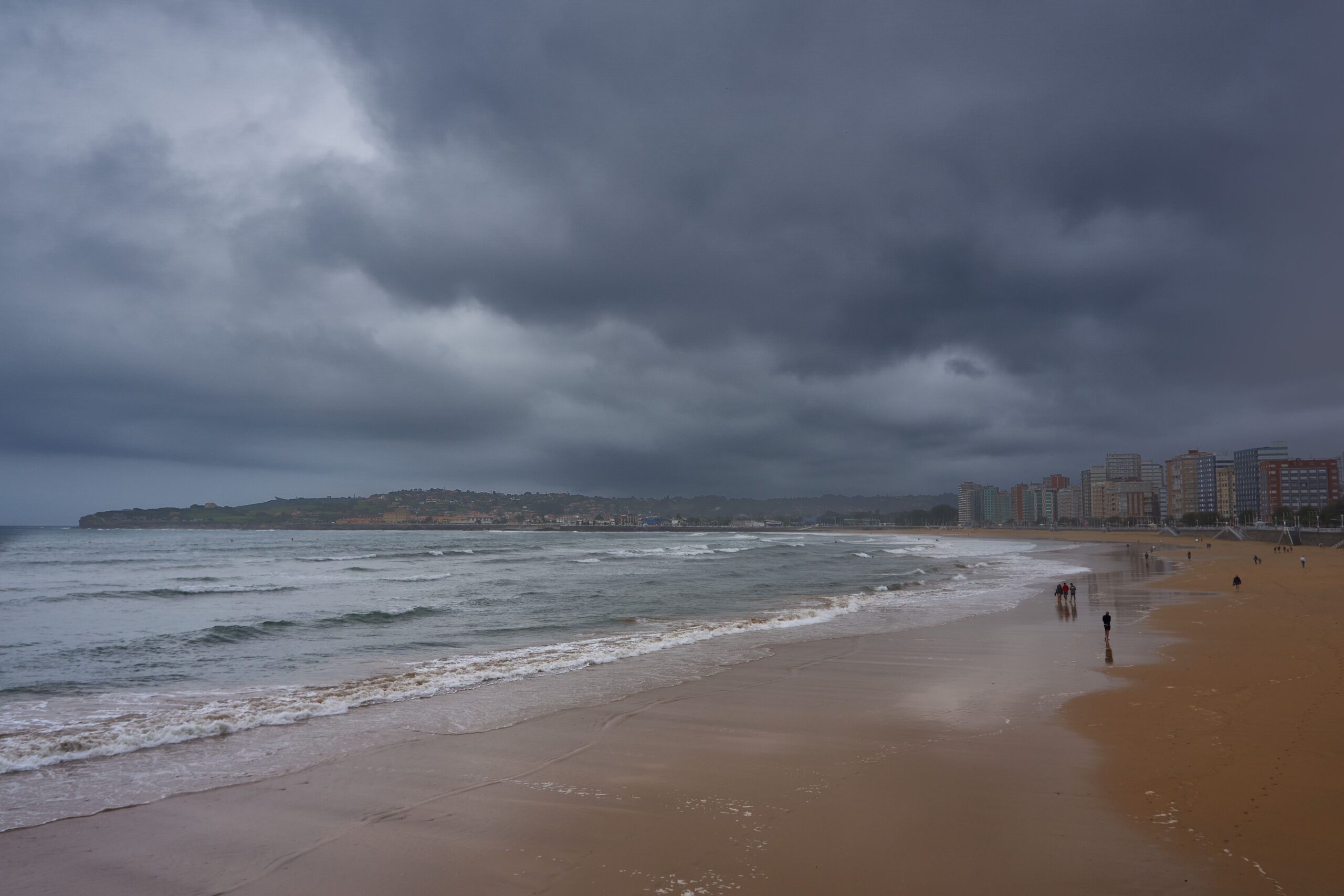
While the immediate threat involves high winds and coastal flooding, the long-term impact on infrastructure remains under assessment. Emergency services are monitoring the situation as the storm makes landfall. The next update on the storm’s trajectory and any additional damage reports is expected as the system moves inland.