
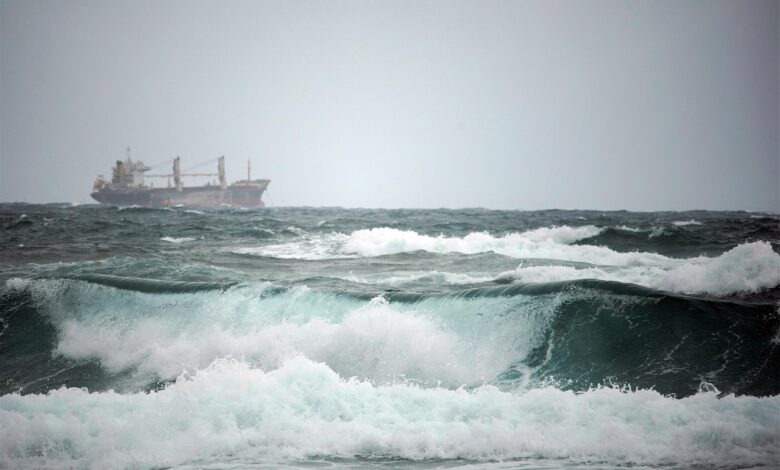
The Gulf of Oman is a narrow waterway that connects the Persian Gulf to the Arabian Sea, serving as a vital artery for global energy trade. A significant portion of the world’s liquid natural gas and oil passes through these waters, making the security of the region a matter of profound international economic interest. The decision by the US military to fire on a vessel within this area introduces a new layer of complexity to an already fraught geopolitical landscape.
The central development here is the use of force against a specific target. The US military’s statement confirms that the ship was not merely intercepted or inspected, but fired upon and rendered inoperable. While the specific reasons for the engagement, the identity of the crew, and the cargo details have not been elaborated upon in the immediate reports, the act itself signals a high level of threat assessment by US forces. In modern maritime security, such engagements are typically reserved for vessels deemed to pose an imminent threat to national security or military assets, or those involved in activities deemed hostile under international law or specific sanctions regimes.
The flag state of the vessel, St. Kitts and Nevis, adds a dimension of diplomatic and legal intricacy. The management of incidents involving foreign-flagged vessels often requires coordination between the acting military power and the state responsible for the ship’s registration. The disabled status of the cargo ship means that the immediate commercial operations of the vessel have ceased, raising questions about the fate of the cargo, the safety of the crew, and the subsequent diplomatic negotiations that may follow. For the crew and the owners, the incident transitions from a routine transit to a crisis requiring international legal and logistical resolution.
Within the broader context of regional geopolitics, the Gulf of Oman has long been a point of tension. The presence of significant military assets from multiple nations, including the United States, Iran, and regional Gulf states, creates a high-density security environment. Incidents in these waters, whether they involve suspected mine-laying, harassment of tankers, or unauthorized approaches to military vessels, often carry the potential for rapid escalation. The US military’s engagement of a cargo ship suggests that the threshold for using force has been crossed, either due to a specific provocation or a pre-established rule of engagement triggered by the vessel’s actions.
The implications of this event extend beyond the immediate physical damage to the ship. It serves as a stark reminder of the fragility of maritime trade routes in conflict-prone regions. For global markets, any disruption in the flow of energy and goods through the Gulf of Oman can have immediate repercussions on pricing and supply chains. The incident may prompt further military deployments or increased surveillance in the area, aiming to deter similar actions or to secure the waterway against future threats.

However, the available information is limited to the initial confirmation of the attack and the disabling of the vessel. Without further details on the specific accusations against the ship, the diplomatic response from St. Kitts and Nevis, or the broader strategic objectives driving the US military’s actions, the full scope of the geopolitical fallout remains open. The incident underscores the high stakes involved in navigating these waters, where commercial vessels operate under the shadow of state-level strategic competition.
As the dust settles on the disabled cargo ship in the Gulf of Oman, the focus shifts to the next steps in this unfolding situation. The unresolved tension lies in how the international community, particularly the involved states, will interpret and respond to this act of force. The disabled vessel sits in the water, a physical testament to the intersection of military power and global commerce, awaiting the diplomatic and legal processes that will determine the consequences of its encounter with US forces.




One Comment