
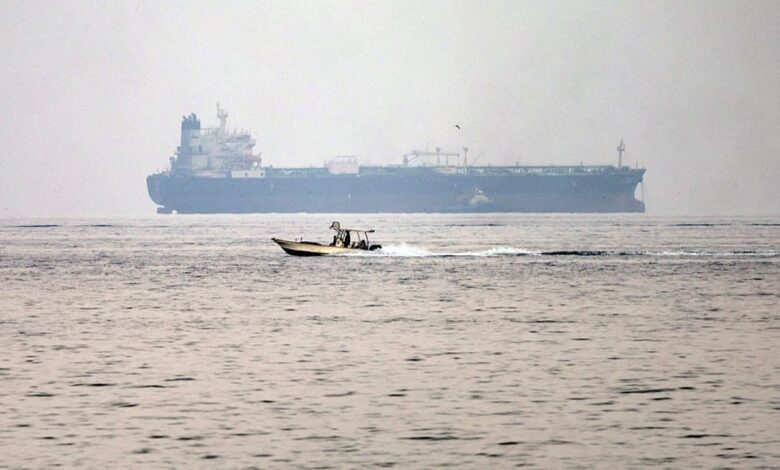
This specific incident is part of a broader pattern involving at least four vessels observed making unusual movements near submarine cable networks in the region. Three of these were oil tankers under U.S. sanctions. Windward noted that these ships behaved differently from nearby commercial vessels waiting for oil cargoes. Their navigation changed only when they approached specific corridors containing telecommunications infrastructure, moving “normally until they reached a specific cable corridor, and only then slowed, looped, turned back, loitered, or went dark.”
The timing of these observations is not coincidental. They follow a month of repeated warnings from Tehran that it could target regional communications infrastructure if the United States and Israel resume military strikes. These threats have materialized in the context of a rapidly deteriorating security environment in the Strait of Hormuz, a waterway critical to global energy and digital connectivity.
The strategic significance of the subsea cables cannot be overstated. Telecommunications research firm TeleGeography identifies six existing cables running through the Strait of Hormuz, alongside three additional networks currently under construction: Fibre in Gulf, Sea-Me-We 6, and 2Africa. The latter is noted as being closest to completion. For several Persian Gulf states, these cables are not merely convenient infrastructure; they are the sole lifeline for international internet connectivity. Iraq, Kuwait, Bahrain, and Qatar depend entirely on cables passing through this waterway. An attack damaging these lines could sever their digital connection to the rest of the world, disrupting everything from financial transactions to emergency communications.
The threats to these cables are part of a wider naval confrontation. Iranian media reported statements from IRGC spokesperson Hossein Muhibbi, who claimed that the Strait of Hormuz is entirely under the control of the IRGC Navy. “Ships that do not comply with Iran’s rules have no choice but to hit mines,” Muhibbi stated, adding, “Mines are waiting.” This rhetoric aligns with recent incidents reported by the UK Maritime Trade Operations (UKMTO), which noted the evacuation of crews from two oil tankers that caught fire off the coast of Oman. The IRGC claimed responsibility for these incidents, stating that the tankers had struck mines in the strait.
The current crisis stems from a breakdown in the “Islamabad Agreement,” signed on June 17, 2026. That agreement had stipulated a cessation of military attacks and the reopening of the Strait of Hormuz to maritime traffic. However, disputes over the implementation of the agreement and navigation protocols led to a pause in progress. By July, conflicts had reignited. Following U.S. strikes that resumed on July 8, Iran announced on July 12 that it was closing the Strait of Hormuz again.
Simultaneously, the U.S. military has escalated its response. CENTCOM Commander Admiral Brad Cooper announced the creation of a new task force, “Iron Gate.” The stated purpose of this task force is to prevent the transport of advanced weapon systems, dual-use technologies, sanctioned materials, and illicit revenue sources to Iran via land borders and the Caspian Sea, in coordination with other U.S. government agencies. Muhibbi dismissed the initiative, calling it a plan that exists “only on paper” and merely in the announcements of U.S. officials and CENTCOM commanders, arguing that previous U.S. attempts at naval, air, and land blockades have failed.
The economic implications of this standoff extend beyond the immediate risk to internet infrastructure. The closure of the Strait of Hormuz, even intermittently, poses severe risks to global oil exports and supply chains. The combination of physical threats to energy shipments and digital threats to communication cables creates a dual pressure point for the global economy. For the Gulf states dependent on the subsea cables, the disruption would be total, with no alternative routes for international connectivity.
The situation remains volatile. While the “Islamabad Agreement” provided a brief window of stability, its implementation has stalled, and military operations have resumed. The observed behavior of the Iranian-linked vessels suggests that Tehran is preparing for, or actively engaging in, asymmetric warfare tactics that target both traditional energy logistics and modern digital infrastructure. For businesses and consumers in Iraq, Kuwait, Bahrain, and Qatar, the risk is no longer theoretical; it is a tangible threat to their digital lifelines, hanging in the balance of naval maneuvers and diplomatic breakdowns in the Gulf.



One Comment