

The primary focus of the current public health response remains on determining whether the laboratory worker’s death was related to exposure to the plague bacterium. While the initial incident involved a staff member at a specialized research facility, Russian officials have emphasized that no broader transmission or community spread has been detected. The distinction between a single occupational incident and an active epidemic is central to the current risk assessment.
Public reaction in Irkutsk to the incident has been notably muted. Local residents have described the news of the laboratory worker’s death as “background noise,” indicating a lack of widespread alarm or public discourse regarding the event. This relative indifference suggests that the local population is not currently perceiving the incident as an immediate threat to daily life or public safety. The disconnect between the severity of the potential pathogen involved and the public’s reaction highlights the localized nature of the concern at this stage.

The ongoing assessments are critical for understanding the specific circumstances surrounding the laboratory worker’s death. Health authorities are likely investigating biosecurity protocols and individual exposure history to determine if the death was an isolated occupational accident or indicative of a larger safety failure. Until these assessments are complete, the official position remains that the plague is not circulating within the community. The lack of reported symptoms or secondary cases among the general population supports the current classification of the situation as non-epidemic.
Plague, caused by the bacterium Yersinia pestis, is a serious infectious disease that can spread from animals to humans, often via fleas. While modern medicine has effective treatments, early detection is vital due to the potential for rapid progression in severe forms. The involvement of a research institute complicates the epidemiological picture, as laboratory-acquired infections, while rare, require rigorous investigation to rule out containment breaches that could pose risks to public health. The current lack of community cases is a significant positive indicator, but it does not conclude the need for thorough forensic and medical review of the incident.
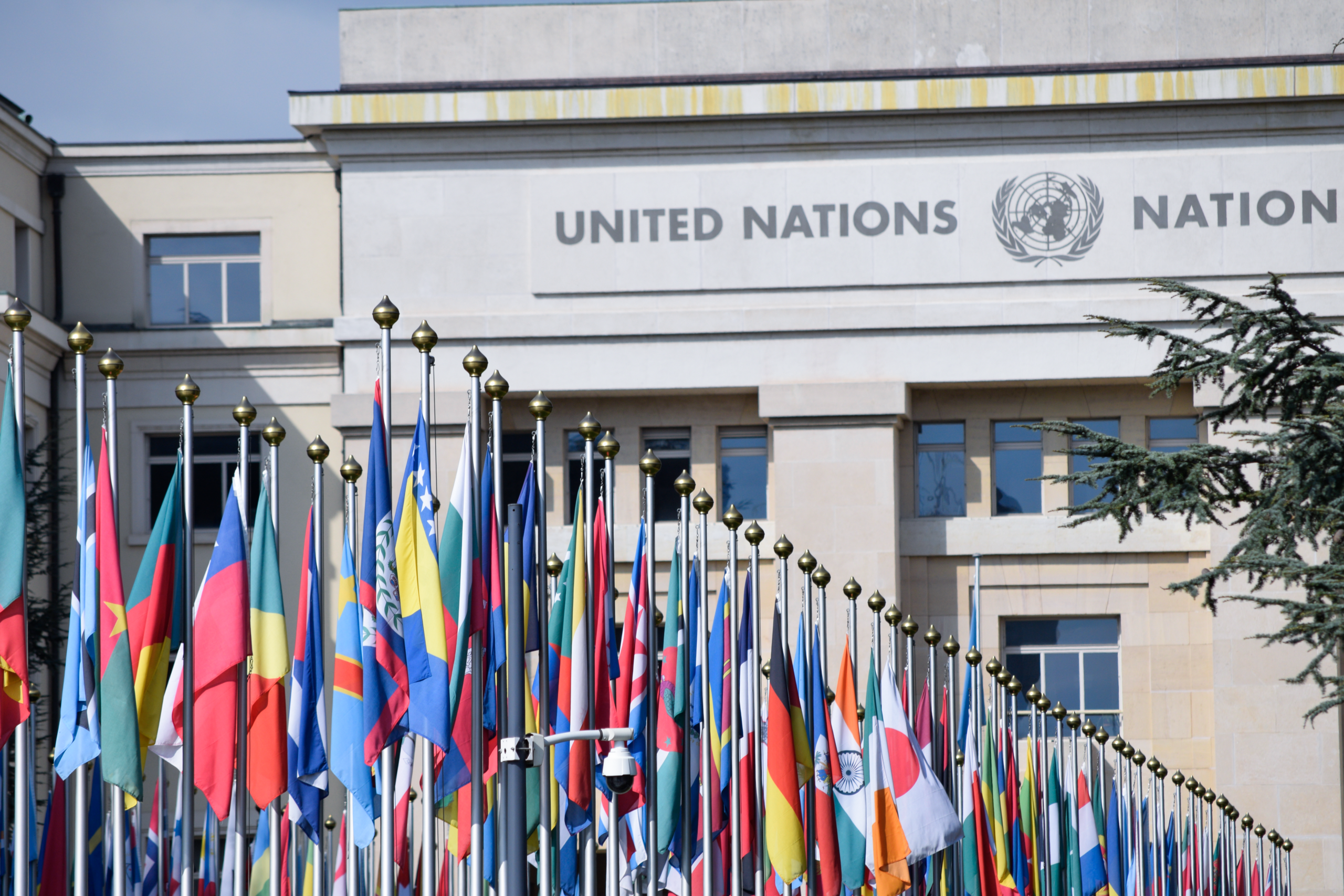
The World Health Organization’s engagement in this matter reflects the global nature of infectious disease monitoring. International bodies often request clarifications on potential outbreaks of high-consequence pathogens to ensure global health security. Russia’s communication of “no plague case” serves to mitigate international health alerts and maintain stability in trade and travel. However, the situation remains dynamic, with the final conclusions dependent on the completion of local health department investigations.
For now, the public health stance in Irkutsk is one of cautious monitoring rather than emergency response. Resources are directed toward verifying the laboratory worker’s medical history and ensuring that no other staff members or family contacts are at risk. The absence of public panic aligns with the official narrative that the threat is contained and not currently impacting the wider community. As the assessments progress, any changes in the case count or the nature of the exposure will likely result in updated communications to both domestic and international health partners.
The next critical step in this process is the finalization of the investigation report by local health authorities. This report will detail the cause of death, the specific strain of bacteria involved, if any, and the efficacy of the safety measures in place at the time of the incident. Until that data is available and reviewed, the official status remains that there is no active plague outbreak in Irkutsk, with the focus strictly on preventing any potential secondary cases from the original incident.