
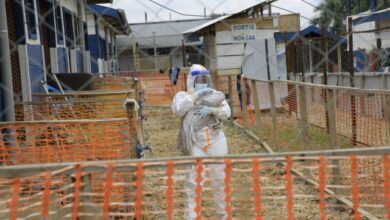
Measles is a highly contagious airborne disease characterized by high fevers and a distinct rash. While it is often associated with mild symptoms in healthy individuals, it poses severe risks to small children and can be fatal. The global impact of the disease remains profound, with an estimated 107,000 deaths worldwide in 2023. In Germany, the rise in measles is not an isolated phenomenon; other vaccine-preventable illnesses, including Hepatitis B and whooping cough, are also experiencing an upward trend.
Legal Mandates and Implementation Gaps
Since 2019, German law has required parents to ensure their children receive two doses of the measles vaccine to achieve full immunity. Failure to comply with this mandate carries a fine of €2,500 (approximately $2,630). Despite this legal framework, the sharp increase in cases suggests that enforcement and uptake have not been sufficient to maintain herd immunity levels.
Medical experts argue that the causes of this resurgence are multifaceted. Dr. Axel Gerschlauer, a pediatrician based in Bonn, noted that while infectious disease rates generally declined during the height of the COVID-19 pandemic due to social distancing and mask-wearing, the aftereffects have had unintended consequences. He observed a “hesitancy to go to the doctor except in the most necessary cases, for fear of the risk of infection” within medical practices. This avoidance behavior may have led to missed routine vaccinations and delayed diagnoses for other conditions.
Imported Cases and Global Connectivity
International factors also play a significant role in Germany’s current epidemic. Dr. Karella Easwaran of Cologne explained to public broadcaster ARD that increased global travel and immigration have introduced the virus into the country. She highlighted that many children arriving from war zones may have missed critical vaccination windows, and parents may be unaware of the necessity for catch-up vaccinations upon arrival in Germany. These imported cases serve as a vector for local transmission in communities where immunity gaps exist.

The Spectrum of Vaccine Hesitancy
Vaccine skepticism is another critical driver of the increase. A study published in November by research firm Statista indicated that vaccine skepticism among German adults has steadily risen, growing from 22% in 2022 to 25% in 2024. However, experts emphasize the importance of distinguishing between general hesitancy and organized anti-vaccine activism.
Dr. Gerschlauer cautioned that these are distinct phenomena. “With skeptical parents, concerns and fears can often be allayed with explanations and statistics. Often, a simple information leaflet or a brief conversation is enough,” he stated. In contrast, he described “hardcore vaccine opponents” as operating within an isolated ideological bubble that is difficult to penetrate with factual information. “With ‘hardcore vaccine opponents,’ our hands are tied,” he said.
The roots of anti-vaccine sentiment in Germany are deep, dating back to the 1800s. Historical movements included groups skeptical of medical advancements associated with Jewish doctors, which were precursors to Nazi ideology, as well as medical professionals concerned about the safety of early vaccine administration methods. According to the Federal Center for Health Education (BzgA), the number of people identifying as completely anti-vaccine has only slightly increased over the past two decades, rising from 4% in 2004 to 6% in 2020. However, the visibility of this group has been amplified by social media presence and the large-scale demonstrations against pandemic-related vaccine mandates.
Psychological and Political Correlates
Recent academic research has sought to understand the psychological and social underpinnings of vaccine refusal. A report by doctors at the University of Freiburg identified a connection between what they termed “esoteric thinking” and vaccine hesitancy. The study found that individuals who believe in homeopathy or have attended alternative educational institutions, such as Waldorf Schools, are more likely to view vaccines critically. Additionally, a 2021 study conducted by the state government of Saxony found a correlation between supporters of the far-right Alternative for Germany (AfD) party and higher levels of vaccine skepticism.

Some medical professionals argue that the implementation of vaccine mandates may be counterproductive. They suggest that such measures can appear to curtail personal freedoms, thereby adding fuel to the anti-vaccine fire rather than extinguishing it. This perspective underscores the difficulty of balancing public health protection with individual autonomy in a post-pandemic society.
Pathways Forward
Addressing the rise in measles requires a sustained and strategic approach. Dr. Gerschlauer advocated for robust information campaigns led by politicians and medical groups. He drew a parallel to the advertising efforts for the meningococcus B vaccine, which was not recommended by the German Standing Committee on Vaccination (STIKO) at the time but was heavily promoted. “When you see how much effort was put into advertising the vaccination against meningococcus B… then you would wish that the same effort was made for the measles vaccination,” he said.
As Germany grapples with this resurgence, the focus must remain on bridging the gap between legal mandates and actual uptake. The next critical step involves enhancing public trust through transparent communication, addressing the specific concerns of hesitant parents, and ensuring that vulnerable populations, including recent immigrants, have accessible pathways to catch-up vaccinations.



One Comment