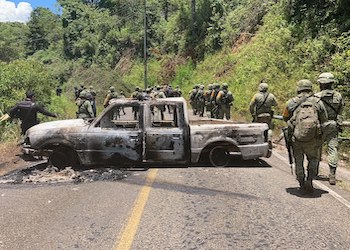
The central driver of this instability is a prolonged conflict between the Sinaloa Cartel and the CJNG over control of the region’s strategic smuggling routes. The southern border state has long served as a key transit point for cocaine shipments and migrants traveling north to the United States. According to internal Mexican Army reports obtained by hackers acting under the alias “Guacamaya” and reviewed by InSight Crime, the Sinaloa Cartel had historically dominated this region. However, the CJNG began disputing that control in 2021, seeking to take over prized smuggling corridors. This competition has intensified dramatically since 2023, transforming commercial trafficking disputes into a pervasive security threat for the local population.
The human cost of this turf war is staggering. Data from a human rights organization accessed by InSight Crime indicates that 12,771 victims of displacement were recorded in Chiapas during the first seven months of 2024. This represents a sharp uptick from the 4,562 victims recorded for the entirety of 2023. The violence is no longer confined to isolated incidents; local human rights defenders report confrontations involving heavy weapons, armored vehicles, and even armed drones. During these battles, criminal groups have cut electricity and communications, suspending health services and education. One anonymous human rights defender described the situation as a humanitarian crisis, noting that the civil population has been “taken hostage” by the advancing fronts of rival gangs.
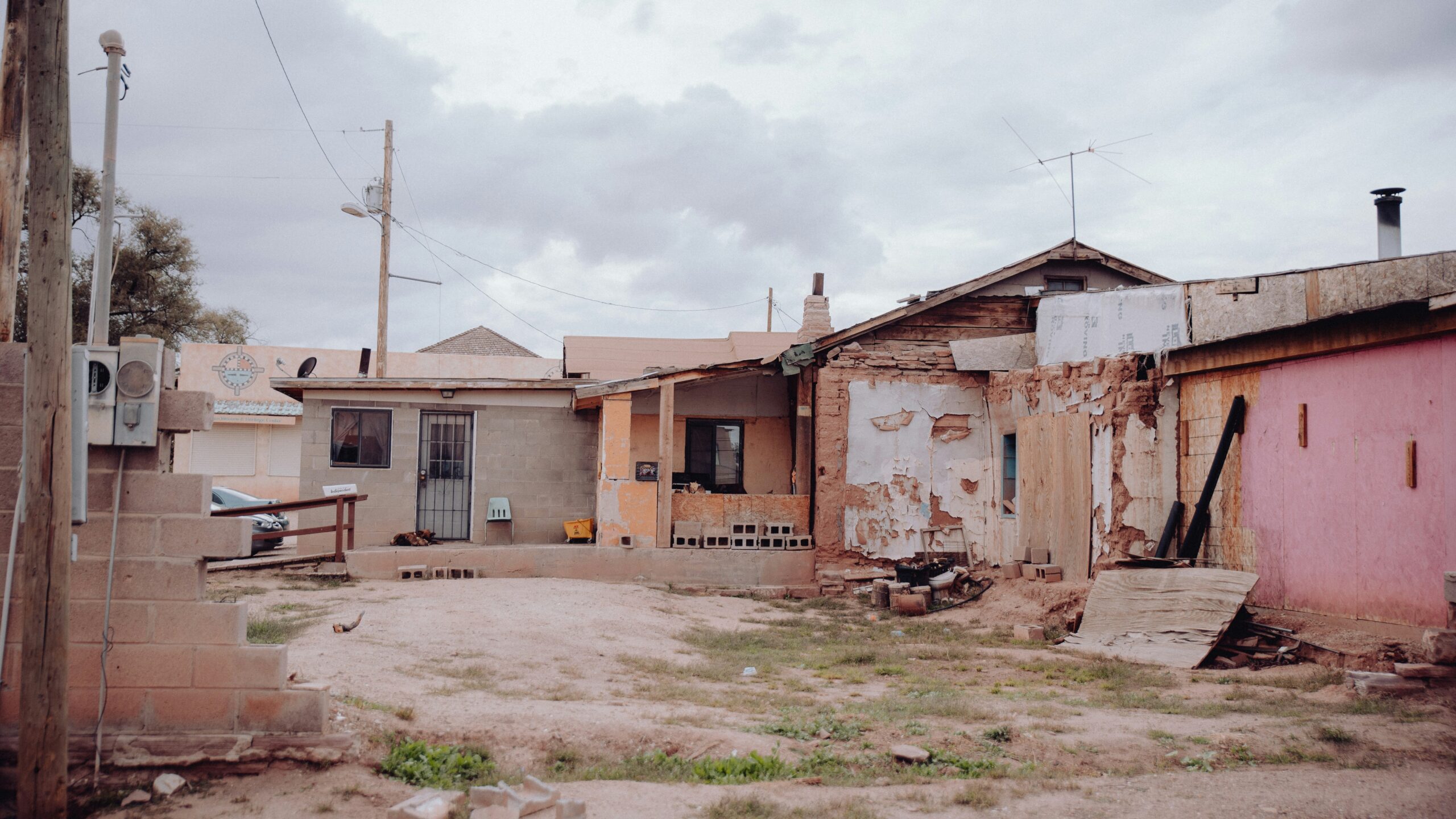
The escalation has led to a historic reversal of migration trends along the southern border. In July 2024, 580 Mexicans fled the municipality of Amatenango de la Frontera and crossed into Guatemala, according to Guatemalan authorities. This was a rare instance of migrants moving from Mexico south into Central America to escape violence, rather than the usual northbound flow. Guatemalan authorities issued these refugees temporary humanitarian visas while the two governments worked to facilitate their return. The psychological toll on these communities is profound; a 93-year-old woman died shortly after arriving in Guatemala, and residents have reported living in “constant terror, fear, [and] anxiety.” In some municipalities, gunmen have rounded up residents, forcing them to participate in road blockades to impede the approach of rival crime groups and security forces. Criminal groups have effectively used the civilian population as a shield, threatening residents who refuse to collaborate or stay in place.
Government responses have struggled to match the scale of the crisis. In August 2024, the Mexican military deployed 200 soldiers to Chiapas, but this move did little to quell the violence. The governance in the state is described as frail, with organized crime elements increasingly dominating territory. In December 2024, the crisis remained acute. Chiapas State Governor Eduardo Ramirez detailed an operation to restore stability in Frailesca, an agricultural region near the Guatemala border, where rival cartels have been involved in a bloody turf war. On December 28, authorities recovered the bodies of 15 people from clandestine pits in two properties in the region. Ramirez stated that weapons, vehicles, and drugs were also seized, and four people were arrested, though he did not specify if the arrests were linked to the deaths. This incident followed the discovery of 12 bodies in clandestine graves in the northern state of Chihuahua earlier that week, underscoring the nationwide nature of Mexico’s security challenges.
The political landscape further complicates the situation. President Claudia Sheinbaum, who took office on October 1, 2024, pledged to follow the policy of her predecessor, Andrés Manuel López Obrador, which favored not directly confronting the drug cartels. Critics argue that this strategy has failed to significantly reduce violence. The fragility of state authority was highlighted in October when Marcelo Pérez, a well-known Catholic priest and activist for Indigenous peoples and farm laborers, was gunned down in Chiapas. Human rights advocates noted that Pérez, who had often received threats, did not receive the government protection he needed. His death, along with the widespread displacement, underscores the inability of current state mechanisms to protect civilian populations from the reach of criminal armed groups.
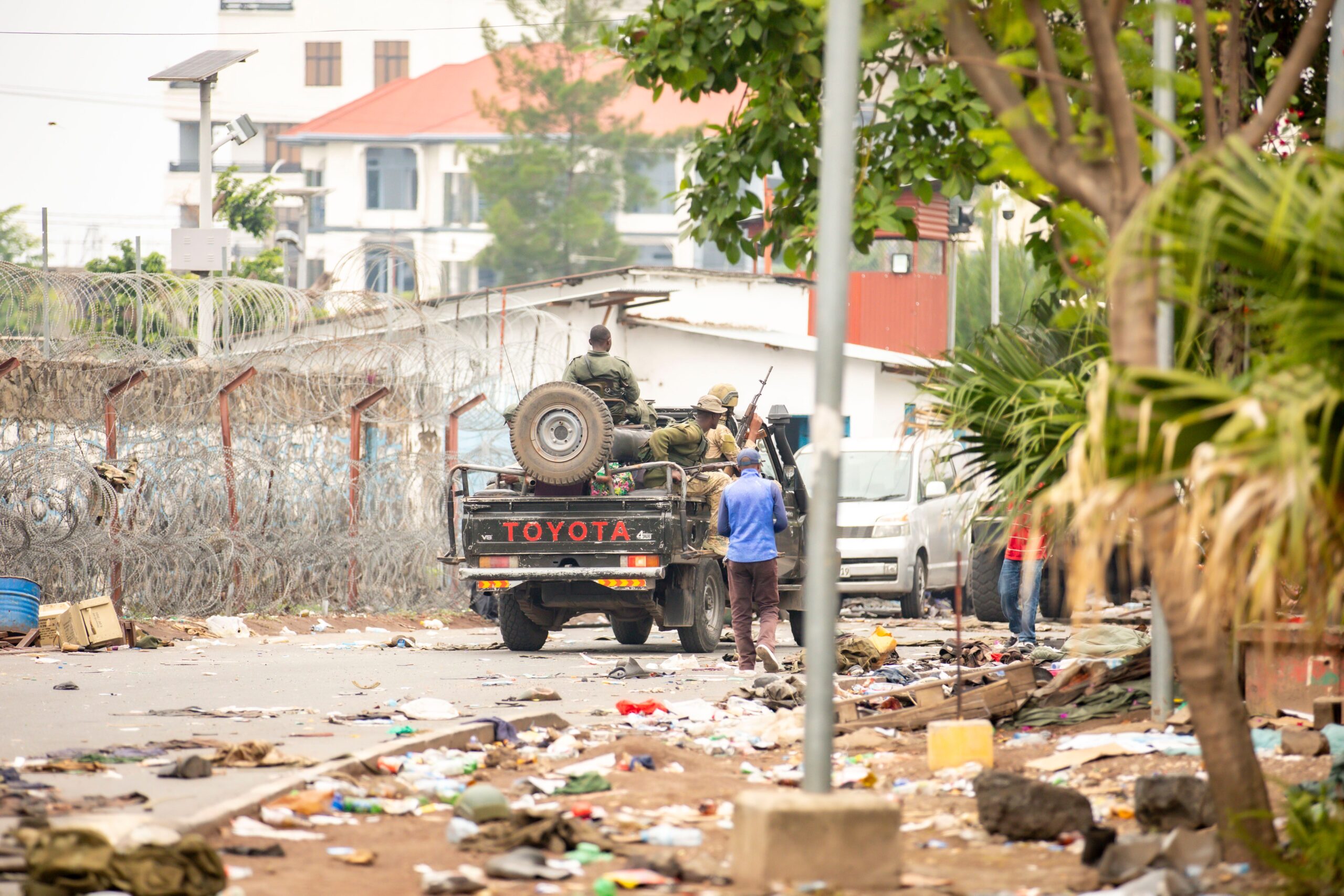
Chiapas has a long history of internal conflict, dating back to the Zapatista Uprising of 1994, which became a global symbol for Indigenous rights. While the current violence is driven by criminal economics rather than political ideology, the region’s historical vulnerability and lower economic development compared to the rest of Mexico make it fertile ground for such victimization. The state’s higher proportion of Indigenous peoples and its position as a major smuggling hub for drugs and migrants have created a volatile environment where criminal groups operate with relative impunity.
As 2024 draws to a close, the situation in Chiapas remains unresolved. The return of families to towns like Nuevo Chejel and Puerto Rico is a tentative step toward normalcy, but the underlying drivers of the conflict—the competition for smuggling routes and the militarization of criminal groups—persist. With over 12,000 people displaced in just seven months and recent mass graves discovered in Frailesca, the tension between state security forces and criminal armed groups continues to escalate. The immediate challenge for Mexican authorities is to determine whether the limited military deployments and diplomatic efforts with Guatemala can mitigate a crisis that has fundamentally altered the security landscape of Mexico’s southern border.