

According to Chinese customs data released on Tuesday, goods exports rose 35.2% year-on-year in October to US$412.33 billion. This figure exceeded the 33.5% growth forecast in a Reuters poll, although it represented a slight deceleration from the 36.3% growth recorded in September. Imports posted an even sharper increase, climbing 41.6% from a year earlier, a significant beat against analyst estimates for a 32% rise. This surge in inbound goods followed a 31% increase in September.
The contraction in the monthly trade deficit to US$105.3 billion marked the lowest level since April, according to LSEG data. Tianchen Xu, senior economist at the Economist Intelligence Unit, attributed the import surge primarily to demand for technology-related goods, critical minerals such as copper, and energy supplies. Data calculations indicate that imports of high-tech products jumped 72% in value, while crude oil, liquefied natural gas, and coal imports grew by approximately 41%, 50%, and 60%, respectively.
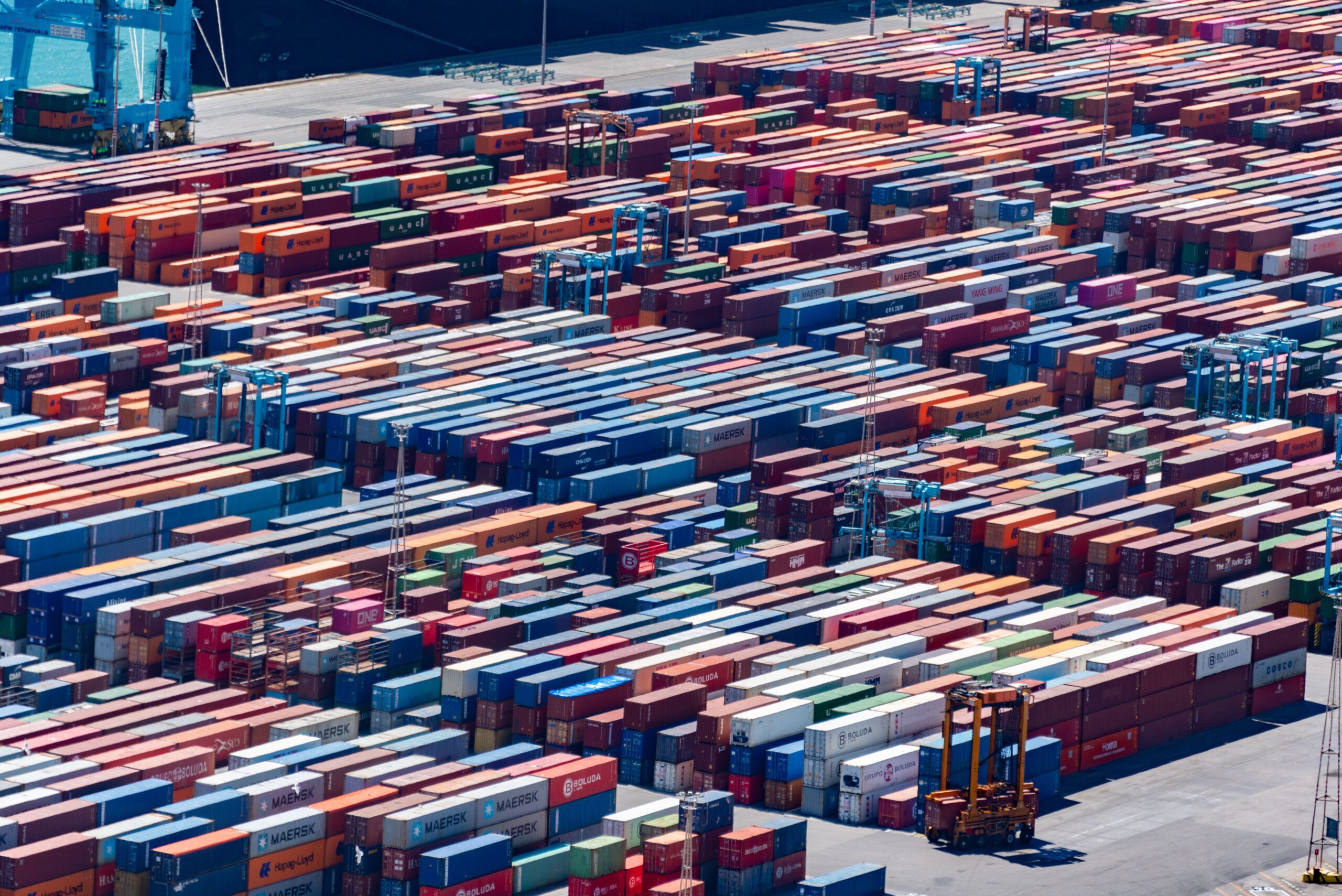
Bilateral trade with the United States also showed significant recovery. Exports to the U.S. soared 32.9% year-on-year, while imports from the U.S. grew nearly 35%, resulting in a bilateral surplus of US$32.7 billion for October. Year-to-date, U.S.-bound shipments have grown 12.1%, aided by a low comparative base following the 20% plunge in shipments last year due to dramatic tariff hikes. Washington and Beijing extended their trade truce in September by two months to January, including measures such as export-control waivers for certain critical minerals.
Despite the external strength, signs of cooling in domestic activity emerged. Official PMI data indicated that factory activity unexpectedly shrank in October as overseas orders cooled. A separate China Beige Book survey noted that new domestic and export orders for goods slowed compared to the previous year. Household consumption remains soft, with retail sales growing just 1.1% in September, highlighting the structural imbalance in the world’s second-largest economy. Exporters continue to rely on the global artificial intelligence buildout for demand for chips and hardware, though any slowdown in this cycle poses risks to exporter margins.

The strong export performance has allowed policymakers to maintain moderate policy support while targeting an annual growth rate of 4.5% to 5%. As the trade surplus approaches a record annual figure, pressure from trading partners is expected to mount ahead of a scheduled third meeting between Chinese President Xi Jinping and U.S. President Donald Trump.




One Comment