
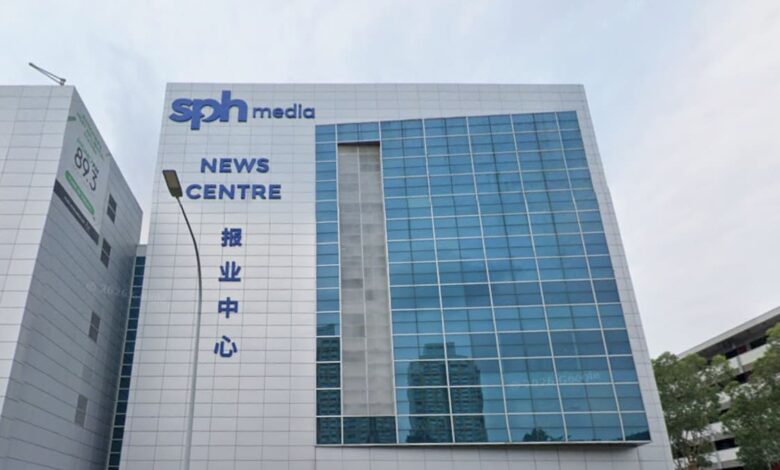
The impact of the intrusion was split across two groups of systems managed in-house by SPH Media. The first group contained personal data, while the second did not. For the systems holding personal information, the exposed records consisted predominantly of email addresses, along with some names, mailing addresses, and phone numbers. The company emphasized that no payment card details, financial or banking information, or customer account credentials were compromised. Subscribers’ access to their accounts remained unaffected, and corporate customer information was not impacted, though some employee email addresses were exposed. The second group of systems, which did not store personal data, suffered from unauthorized access, though the specific extent of the compromise in this sector was not detailed in the public statement.
The technical origins of the breach appear to be a combination of mundane yet critical failures rather than a single sophisticated exploit. SPH Media’s spokesperson stated that the incidents arose from a combination of factors, including software bugs and system configuration issues. Such vulnerabilities are common in complex digital environments but become dangerous when they are systematically exploited. Preliminary investigations suggest that the intrusions may have been AI-enabled, a detail that adds a layer of complexity to the threat landscape. While SPH Media noted in one report that it was unable to confirm if the attacks were AI-enabled as investigations were ongoing, other reports cite preliminary findings suggesting the potential involvement of artificial intelligence. This ambiguity underscores the evolving nature of cyber threats, where automated tools may be used to identify and exploit configuration errors at scale.
Upon discovering the incidents, SPH Media moved quickly to secure the affected systems. The company engaged external cybersecurity experts to investigate the root cause and contain the breaches. In response to the discovery, SPH Media applied software fixes, updated its system configurations, and strengthened its security defences to prevent further attempts to exploit the existing vulnerabilities. The company also informed all affected parties about the incident and advised them to take precautions. An advisory was posted on the company’s website main page urging customers to remain vigilant against suspicious emails, messages, or calls requesting personal information, passwords, or payments, and to avoid clicking on suspicious links or attachments.
The incident triggered a multi-agency response in Singapore. SPH Media reported the breach to the Personal Data Protection Commission (PDPC), the Cyber Security Agency of Singapore (CSA), and the Infocomm Media Development Authority (IMDA), and filed a police report. In a joint statement on November 10, the IMDA, PDPC, and CSA acknowledged their awareness of the incident. The IMDA and PDPC are currently investigating the matter and have asked SPH Media to contain the impact and identify the root cause. The CSA is monitoring developments closely. The joint statement reinforced a broader message for the industry and the public: organizations must implement robust measures to protect their systems against data breaches, while individuals must remain vigilant against potential phishing attempts and scams that often follow such disclosures.

The exposure of 9% of a major media company’s database serves as a stark reminder of the fragility of data security in the face of coordinated, potentially automated attacks. While the absence of financial data compromise mitigates the most severe risks for consumers, the exposure of basic contact details opens the door to targeted phishing and social engineering attacks. As investigations continue to determine whether AI tools played a decisive role in the breach, the incident will likely serve as a case study for regulators and security professionals alike. For now, SPH Media continues to work with third-party specialists and relevant authorities to ensure the integrity of its remaining systems and to provide clarity on the full scope of the threat actor’s activities.




2 Comments