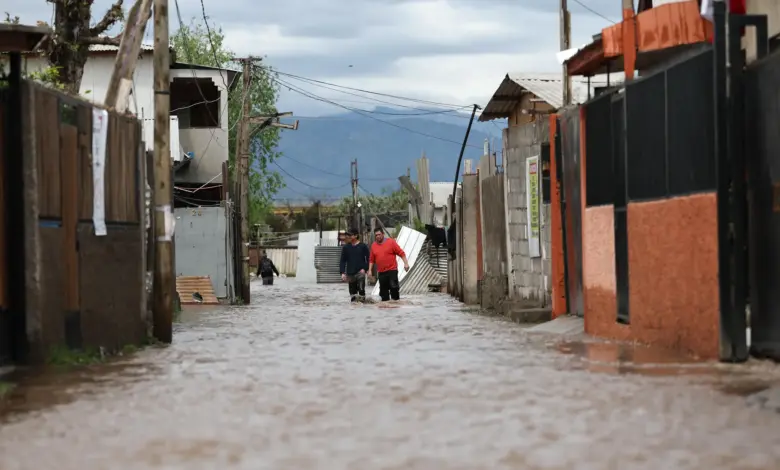
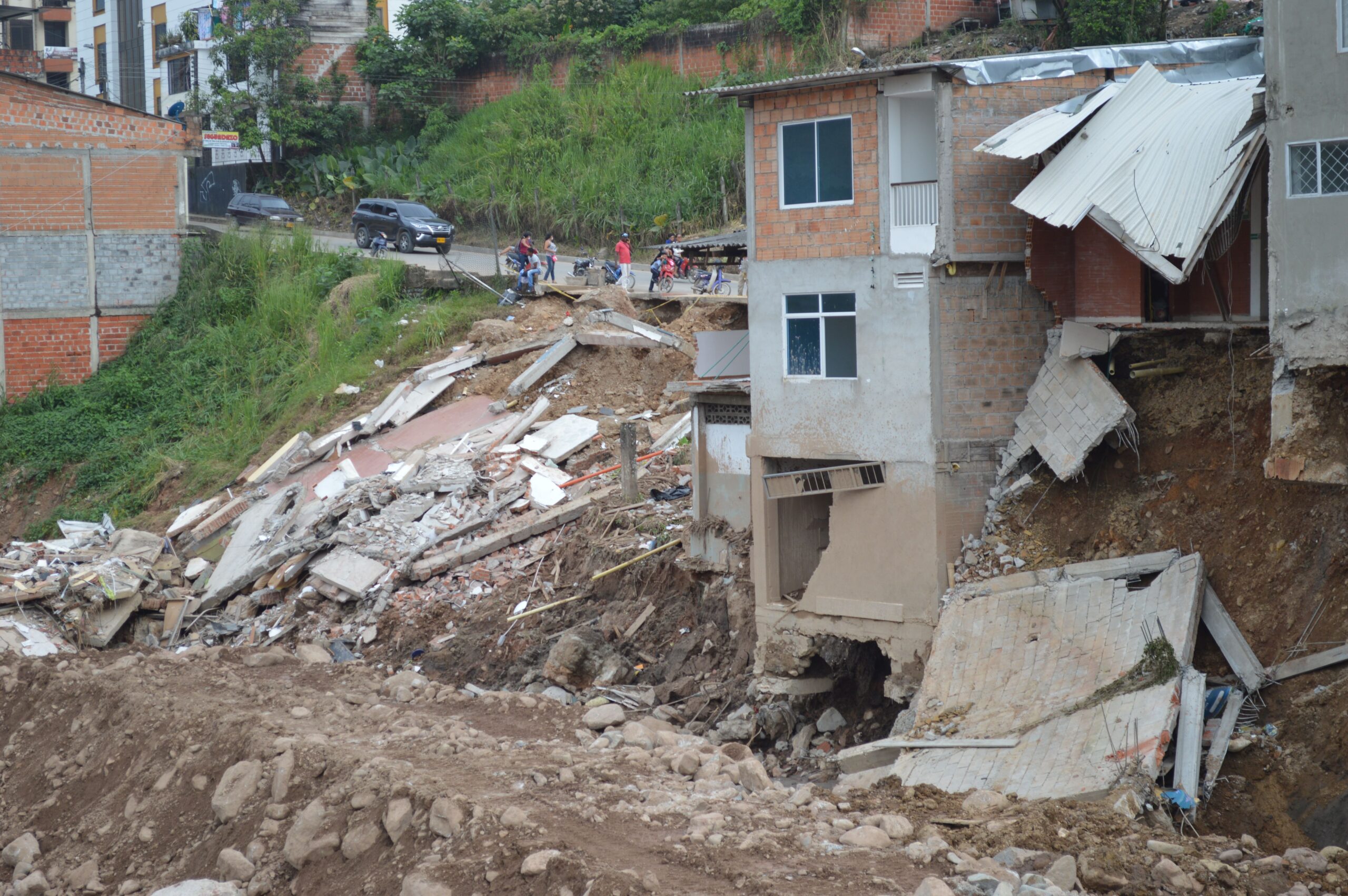
The severe weather system has caused significant disruption and loss of life. In the Santiago municipality of San Bernardo, police and firefighters recovered the body of a man, estimated to be between 50 and 60 years old, in a low-level passage that had flooded to a depth of nearly three meters. While the victim was known to stay overnight in the area, forensic authorities are investigating whether the cause of death was direct drowning due to water accumulation. Elsewhere, a mass removal of earth, or landslide, was reported in Melipilla, and ravines were activated in San José de Maipo, raising concerns in areas vulnerable to sudden rises in water levels and slope instability.
Meteorological authorities maintain multiple warnings for the region, forecasting moderate to heavy rain across the coastal range, the valley, and the Andean foothills. The forecast also includes the possibility of thunderstorms, hail, and strong wind gusts, conditions that are expected to make travel difficult, particularly in low-lying areas, mountain roads, and underpasses where water accumulates rapidly. The National Geology and Mining Service (Sernageomin) has issued specific warnings regarding a high likelihood of mudflows and rockslides in these same zones, noting that the combination of intense precipitation and vulnerable terrain significantly increases risks on slopes and roads near waterways.
Emergency teams have been deployed across the affected regions to respond to incidents and monitor the evolution of the weather system. Senapred has ordered a staggered readiness of resources to ensure a swift response if conditions intensify. The Yellow Alert will remain in place for as long as weather and emergency conditions require, with authorities urging the public to avoid risky situations and follow official instructions, including specific alerts via the national messaging system.
The current crisis is part of a broader pattern of extreme weather events linked to the intensifying El Niño phenomenon, which poses deepening economic risks across Latin America. While the immediate focus remains on rescue operations and damage assessment in the central-southern zone, the sustained nature of the rainfall suggests prolonged challenges for infrastructure and public safety. Authorities continue to monitor the frontal system, with forecasts indicating that hazardous conditions, including the potential for further flooding and landslides, will persist in the coming days.