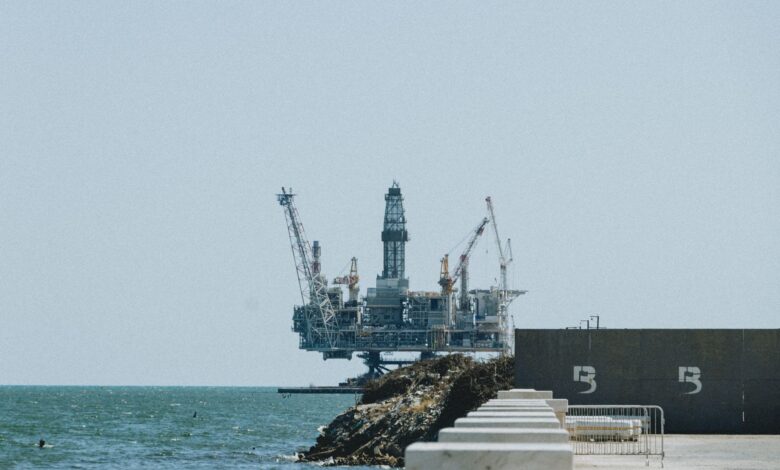
Shell is evacuating all personnel from five offshore platforms: Mars, Olympus, Ursa, Vito, and Appomattox. Production activities at these specific sites are being shut down to secure the assets against severe weather conditions. Chevron is executing a similar strategy across its operations in the region, shutting down four offshore platforms. However, Chevron is allowing another five of its platforms to continue operating normally, indicating a tiered response based on the specific trajectory and intensity forecasts for different parts of the basin.
Harbour Energy has also curbed production in the Gulf of Mexico in anticipation of the storm. Earlier reports indicated that BP was also evacuating staff from its offshore platforms in the region, suggesting a broad industry-wide response to the approaching weather system. These coordinated actions result in an immediate, temporary reduction in hydrocarbon supply from the Gulf of Mexico, a critical hub for U.S. oil and natural gas production.
Operational Context and Safety Protocols
The decision to shut in platforms is a standard industry practice when tropical storms or hurricanes threaten offshore infrastructure. The primary objective is to protect personnel from the risk of rough seas and high winds, which can compromise the safety of helicopter transfers and lifeboats. Additionally, securing the physical assets prevents potential damage to production facilities, which could lead to longer-term outages or environmental incidents if left unprotected during severe weather events.
The distinction between platforms that are being evacuated and those remaining operational highlights the precision of modern weather forecasting and operational planning. Operators assess the specific path of the storm and the distance of their assets from the expected center of circulation to determine which facilities require immediate shutdown. In this instance, Chevron’s decision to keep five platforms running while shutting down four reflects this targeted approach, allowing the company to maintain some level of output while mitigating risk to its most exposed assets.
The Gulf of Mexico is a vital component of the global energy supply chain, providing a significant share of U.S. domestic oil and natural gas. Temporary production halts due to weather are common occurrences in the Atlantic hurricane season but can have short-term implications for regional supply balances and crude oil prices, particularly if the storm system is stronger than anticipated or affects a larger number of facilities than initially planned.
As Tropical Storm Isaias moves closer to the Gulf coast, operators are closely monitoring meteorological updates. The next critical milestone will be the storm’s final intensity and landfall location, which will determine the duration of the shutdowns and the timeline for resuming normal operations. Until the threat has passed and safety assessments are completed, the evacuated platforms will remain offline, and personnel will remain onshore.