
A Service-Oriented Approach to Fleet Electrification
Rather than selling vehicles outright, the partnership offers an integrated “vehicle-as-a-service” model. Under this arrangement, NexMove provides a complete stack of services, including the bus itself, charging infrastructure, maintenance, and operational support. The primary responsibility remaining with transit agencies is providing drivers and insurance. This structure is intended to address the fragmented nature of electric bus performance in the U.S. market by offering a single point of contact for fleet electrification, with NexMove targeting a 97% uptime service level for both vehicles and charging infrastructure.
Paul Gioupis, Founder and CEO of Zeem Solutions and Co-Founder of NexMove, highlighted the confidence gained from a recent site visit. “In late July our team visited VinFast’s manufacturing operations, and we were impressed by how many buses we saw in daily service and by the scale and quality of production,” Gioupis stated. He described the product as proven, noting that it has real operating history behind it. Kevin O’Connor, CEO of TMS and NexMove Commercial Director, added that combining proven electric vehicle technology with integrated infrastructure solutions allows customers to move toward fleet electrification with greater confidence and reliability.
Technical Specifications and Operational Readiness
VinFast’s electric bus lineup is engineered for urban environments, featuring Lithium Iron Phosphate (LFP) battery technology known for its safety and longevity. The models are designed with fast-charging capabilities, with some configurations able to charge from 20% to 80% in 45 minutes. The current international range includes the EB 8 and EB 12 models. The larger EB 12, which launched in Europe last year, features a 422 kWh battery, a range exceeding 400 km under SORT 2 testing standards, and DC charging capabilities up to 140 kW. It has a passenger capacity of up to 90 individuals. The smaller EB 8 is equipped with a 359 kWh battery, offering a SORT 1 range of approximately 290 km and charging speeds up to 120 kW, with a capacity of 60 passengers.
These vehicles incorporate advanced driver assistance systems powered by cameras and 4D radar for real-time safety alerts. Additionally, they feature intelligent connectivity systems for managing charging, maintenance, and fleet communication. Before certified deliveries begin, NexMove plans to position non-homologated demonstration units at Zeem’s EV charging depots. These units will allow fleet operators and transit agencies to evaluate the vehicles firsthand, though they will not be authorized for passenger service.
Manufacturing Compliance and Market Context
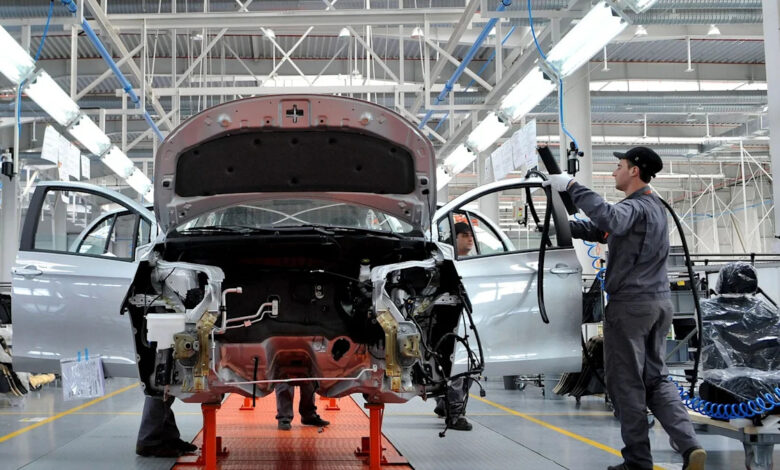
A critical component of the U.S. launch is compliance with Federal Transit Administration (FTA) requirements. Both VinFast and NexMove have confirmed that the buses will ultimately need to be manufactured in a manner that meets these standards. To this end, VinFast is looking to establish a U.S. manufacturing base. The company confirmed in March its intention to resume construction of its North Carolina plant later this year, with the goal of launching production in 2028 to coincide with the first U.S. deliveries.
This expansion marks a significant diversification for VinFast, a pure-play electric vehicle company founded in 2017 by Pham Nhat Vuong. While known for its electric cars, scooters, and bikes, VinFast has been aggressively expanding into commercial transport. The company already operates approximately 2,000 electric buses in Vietnam and has established distribution networks for its e-buses in key European markets. Brian Finnerty, CEO of VinFast North America, noted that this move is part of a long-term commitment to the U.S. market, aiming to help cities and transit operators accelerate the transition to sustainable mobility.
For investors and industry observers, the key signals for this partnership will be execution milestones, specifically whether the companies meet the early 2028 delivery target and secure disclosed contract wins with transit agencies that reflect actual fleet orders rather than framework agreements. The initiative underscores a broader trend in the automotive industry where manufacturers are moving beyond hardware sales to offer comprehensive mobility solutions, leveraging local partnerships to navigate complex regulatory and operational landscapes.