
The primary driver of market stress is the cost of borrowing, which has reached levels unseen in over two decades. The yield on the 10-year US Treasury note climbed to 5.331%, a level not recorded since 2002, while the 30-year Treasury yield touched 5.702%, its highest mark since 2002. These yields spiked after Federal Reserve Governor Christopher Waller stated that additional interest rate hikes may be necessary to curb inflation. Minutes from the September Federal Open Market Committee meeting indicated that most officials leaned toward further rate increases before the year-end to combat persistent inflationary pressures driven by energy costs, tariffs, and AI-related spending. Despite this hawkish tone, market pricing via the CME Group’s FedWatch tool suggests an over 80% probability that the Federal Reserve will hold rates steady at its next meeting in October, with a 21.6% likelihood of a hike.
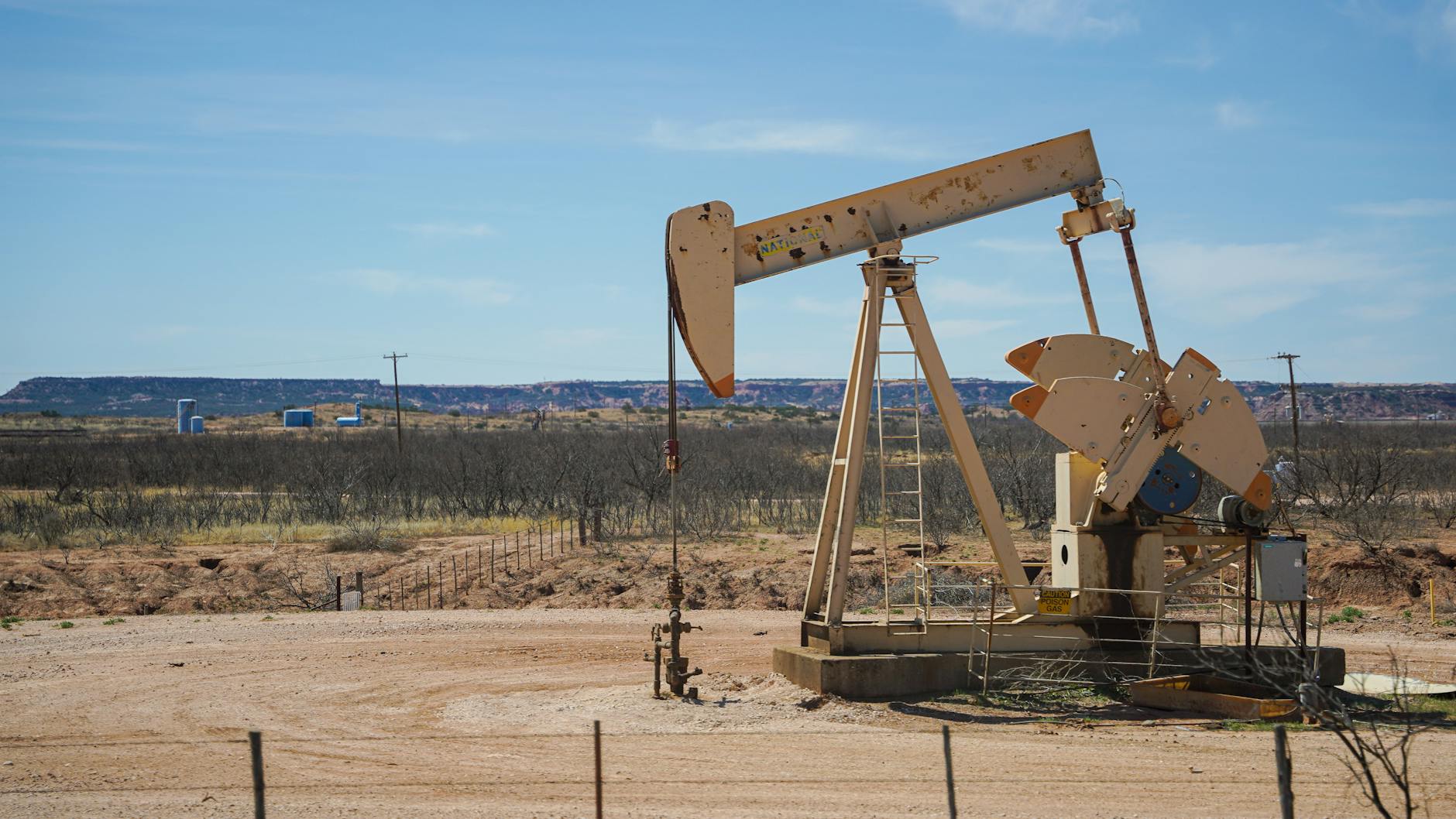
Energy markets added further volatility to the session. Brent crude futures jumped 4% to hover around $104 per barrel, while West Texas Intermediate crude advanced 4% to approximately $92 per barrel. The price surge was fueled by geopolitical tensions, including President Donald Trump’s statement that he does not intend to make a deal with Iran to end the war, amid reports that the US Department of Defense is preparing for potential military strikes on Iranian nuclear and energy targets. Supply disruption fears were compounded by a Marshall Islands-flagged tanker spotted on fire in the Gulf of Oman and Tehran’s assertion that the Strait of Hormuz will not reopen under economic pressure. Domestically, a tropical storm threatening to make landfall on the US Gulf Coast has prompted major producers, including Chevron, to evacuate nonessential personnel from offshore platforms, adding to supply-side concerns.

Higher yields and oil prices have revived inflation worries, pressuring sectors sensitive to borrowing costs. Bank of America and Citigroup shares fell by approximately 1%, while technology stocks including Intel and Marvell Technology dropped more than 2%. Analysts noted that while high yields make riskier assets like equities less attractive compared to guaranteed bond returns, strong corporate earnings may provide a buffer. FactSet estimates suggest S&P 500 earnings grew 29.5% in the third quarter, which would mark the third consecutive quarter of growth above 25%. Courtney Garcia, senior wealth advisor at Payne Capital Management, noted that if earnings remain strong and meet or exceed expectations, they could sustain the market rally despite the higher rate environment.
Corporate earnings served as a mixed signal for market sentiment. PepsiCo reported third-quarter revenue of $25.27 billion, beating the Street’s expectation of roughly $25 billion, with adjusted earnings per share of $2.34 surpassing the consensus estimate of $2.29. However, the company lowered its fiscal year 2026 core earnings per share growth forecast to 2.5%-3%, down from the previous low end of a 5%-7% range, citing the need to regain momentum in the North American market. CEO Ramon Laguarta stated the company is operating with a “high sense of urgency” to improve financial performance. Meanwhile, Amazon founder Jeff Bezos indicated that his space company, Blue Origin, is considering an initial public offering in the coming years, stating it “probably makes sense” for the firm to become a public company at some point.
Investors will continue to monitor economic data for insights into the inflation trajectory. The Department of Labor is scheduled to release initial jobless claims figures at 8:30 a.m. ET. The interplay between resilient earnings, stubborn inflation indicators, and geopolitical risks will likely determine whether the recent equity rally can withstand the headwinds from the bond market. For now, the market remains caught in a tug-of-war between optimism regarding corporate profitability and caution regarding monetary policy and global supply chains.