
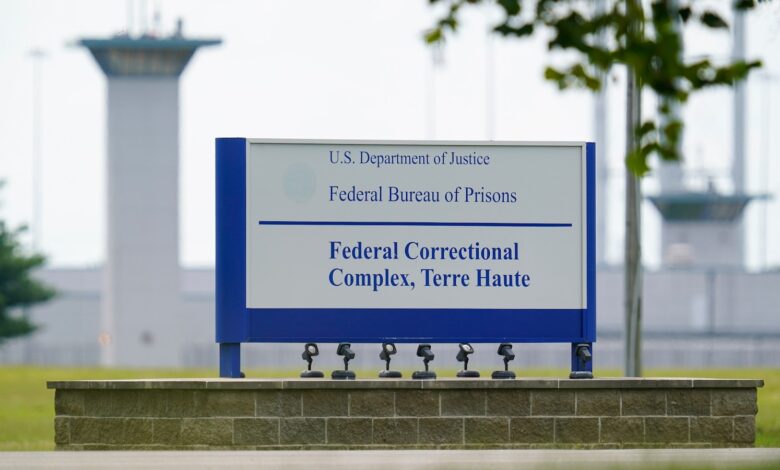
An Army spokesperson clarified that the service has not received a specific order from the White House to proceed with any executions. The spokesperson stated that such planning exercises are standard components of the Army’s preparation for potential missions, noting that these drills have been conducted regularly for the past 20 years. The White House declined to comment on whether President Trump intends to grant approval for the sentences, referring inquiries back to the Army. If authorized, the executions would mark the first time the military has executed convicted American inmates in more than a half-century. The last military execution occurred in 1961, when Pvt. John Bennett was put to death following a conviction for rape and attempted murder in Austria. While military courts retain the authority to impose death sentences, presidential authorization is a mandatory legal prerequisite before any execution can proceed.
Concurrently, legal and medical attention has turned to the aftermath of a failed execution in Tennessee, involving convicted murderer Christa Pike. The botched lethal injection has raised significant concerns regarding the clinical expertise and procedural safeguards employed in capital punishment. Pike’s attorneys stated that she is awake and speaking while receiving treatment at a hospital. They reported that she asked, “Where am I?” upon regaining consciousness. Her legal team described her current condition as severe, noting she has pneumonia and is unable to swallow or eat. They further stated that she is “angry and confused” about her situation.
Pike’s legal team is renewing its call for the governor to commute her death sentence. Medical ethicists and veterinary experts have drawn parallels between the incident and the lack of clinical expertise in capital punishment procedures. They noted that the American Medical Association Code of Ethics forbids physician participation in executions, often leaving the procedure to personnel with limited medical training. Experts indicated that the incident involved potential drug extravasation, a medical error where lethal drugs leak from the vessels, causing severe pain. Data from the Death Penalty Information Center indicates that 3.15% of all executions and 7.2% of lethal injection cases between 1890 and 2010 were considered botched, with an estimated 7.4% of cases showing similar complications since 2021.
Legal experts argue that the incident highlights a discrepancy between the standard of care in animal euthanasia, which is strictly regulated to ensure a pain-free process, and the current protocols for human execution. While military and federal authorities focus on the logistical and legal frameworks for carrying out sentences, the Pike case underscores the ongoing debate over the humanitarian implications of capital punishment. The Army’s plan includes provisions for managing public communications and media access should the executions be authorized, but no specific timeline for such approval has been announced.
The next critical step in the federal military case awaits a decision from the Executive Branch regarding the approval of the death sentences. In Tennessee, the legal battle continues as Pike’s attorneys pursue a commutation, citing her deteriorating health and the constitutional concerns raised by the failed execution attempt.