
A Historic Dispute with Economic Stakes
The Falklands conflict of 1982 remains a defining moment in the recent history of both the UK and Argentina. Although the armed conflict ended with a British victory and the islands remain under UK administration, Argentina has never formally relinquished its claim to the territory. For decades, the dispute remained largely dormant in terms of direct military confrontation, but recent energy developments have brought the issue back to the forefront of international diplomacy.
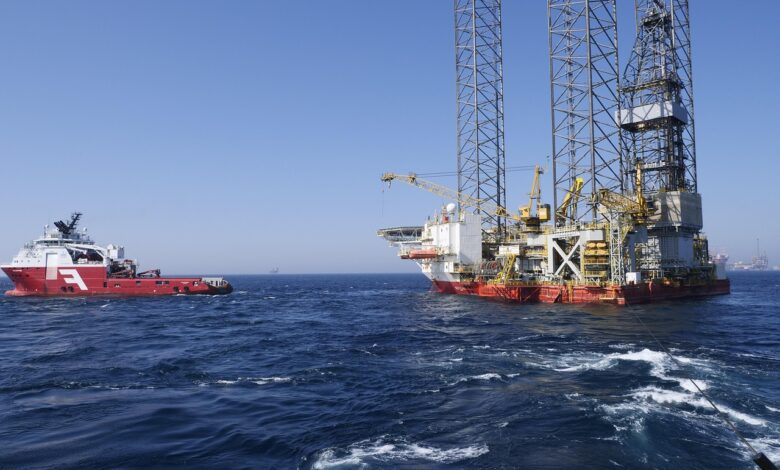
The Sea Lion project represents a significant economic opportunity. In the context of global energy markets, the discovery of viable oil reserves in the Falklands area offers the potential for substantial revenue and energy security benefits for the UK. However, for Buenos Aires, the project is viewed as an illegitimate exploitation of resources within what it considers its own territory. Argentina is actively seeking to put a stop to the plans, arguing that any resource extraction in the waters surrounding the islands violates its sovereignty claims.
Diplomatic and Economic Implications
The situation highlights the complex interplay between resource nationalism and territorial integrity. Argentina’s opposition to the Sea Lion project is not merely a symbolic gesture; it reflects a strategic effort to prevent the UK from consolidating its economic presence in the South Atlantic. By challenging the oil project, Argentina aims to keep the territorial dispute alive and complicate the legal and logistical framework for energy operations in the region.
For the UK, the stakes are both economic and strategic. The development of the Sea Lion oilfield could provide a long-term energy asset and reinforce the UK’s commitment to its overseas territories. However, the project also risks escalating diplomatic friction with Argentina, a major economy in Latin America. The UK must navigate this carefully, balancing its duty to protect the interests of its citizens and businesses with the need to maintain stable diplomatic relations with regional powers.
The broader implications of this dispute extend beyond the two nations. The South Atlantic is a strategically important region, and the potential for increased energy activity could have wider geopolitical consequences. Other countries, including those with interests in maritime security and resource access, may find themselves drawn into the debate. The international community is watching closely as the UK and Argentina grapple with the legal and political dimensions of the Sea Lion project.
Uncertainties and Next Steps
The outcome of this feud remains uncertain. Argentina’s ability to halt the project depends on its diplomatic leverage and the willingness of international bodies to engage with its sovereignty claims. Conversely, the UK’s determination to proceed with the oil development is tempered by the potential for diplomatic backlash and the costs of prolonged legal and political battles.
As the Sea Lion project moves forward, the focus will be on the next policy decisions and diplomatic engagements between London and Buenos Aires. The resolution of this dispute will not only determine the fate of the oilfield but also set a precedent for how territorial disputes are handled in the context of resource extraction. The household and business impacts, while indirect, are tied to the broader stability of the region and the credibility of international law in governing maritime resources.
For now, the Sea Lion project stands as a symbol of the enduring tensions between the UK and Argentina. The multibillion-dollar stakes ensure that this is not a minor diplomatic squabble, but a serious challenge to the status quo in the South Atlantic. The coming months will reveal whether the project can proceed or if the old feud will continue to cast a shadow over the region’s economic future.