Nuclear Arsenal as a Non-Negotiable Deterrent
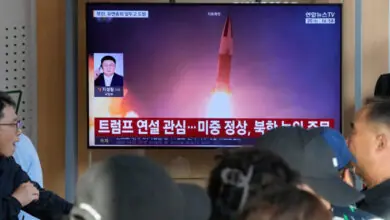
The core of Pyongyang’s stance remains the inviolability of its nuclear program. North Korea has explicitly stated that its nuclear weapons are an “absolute guarantee for defending its sovereignty,” rejecting all U.S. calls for dismantling these capabilities. The diplomatic friction is highlighted by comments from Kim Yo Jong, the sister of the North Korean leader, who characterized the ongoing U.S.-South Korean military drills as “provocative and aggressive,” even in the context of reduced participation. This persistent hardline posture signals that for the DPRK, the nuclear arsenal is not a bargaining chip but a foundational element of its national security architecture.
While the diplomatic front is characterized by mutual accusations, a parallel and less visible dimension of North Korea’s strategic engagement is unfolding in Africa. Decades-old networks of security and economic partnerships have resurfaced, demonstrating the DPRK’s ability to sustain international relevance beyond the Korean Peninsula. These ties involve active trade agreements and the deployment of guest workers across several nations, creating a logistical and economic foothold that complements its military posture.
Strategic Footprint Across the African Continent
The economic dimension of these relationships is substantial. African nations import roughly $100 million in North Korean goods annually, while exporting approximately $17.5 million back to Pyongyang. This trade is supported by a significant human presence, with hundreds of North Korean guest workers operating in the construction and public health sectors. The deployment of labor extends to numerous countries, including Angola, where approximately 1,000 North Korean workers reside, as well as Nigeria, Algeria, Equatorial Guinea, Ethiopia, and Tanzania.
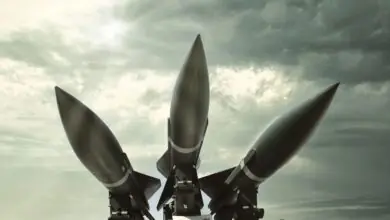
Beyond commercial trade, North Korea has historically leveraged its military capabilities to sustain relationships with African governments. The DPRK has supplied low-cost arms, including Scud-class missiles, portable surface-to-air missiles, and radar systems, to nations such as Egypt, Sudan, and Mozambique. These transfers are often conducted through opaque deals and third-party shipping routes, a method designed to avoid detection by international monitoring bodies. This military-industrial outreach serves a dual purpose: generating revenue for a sanctioned economy and cultivating political allies in regions where the United States and its Western partners may have limited direct leverage.
Divergent Strategic Priorities
The juxtaposition of Pyongyang’s nuclear brinkmanship in Asia with its quiet consolidation of influence in Africa reveals a multifaceted strategy. In East Asia, the focus remains on deterring perceived existential threats through nuclear capability, refusing to engage with diplomatic frameworks that it views as undermining its security. In Africa, the strategy is one of economic survival and diplomatic diversification. By maintaining active trade and military ties, North Korea ensures it retains a network of international partners who may advocate for its interests on the global stage, even as it faces isolation in other regions.
The current standoff highlights the limitations of diplomatic overtures when core security doctrines are in conflict. While the United States seeks to de-escalate through the reduction of joint drills, North Korea’s response underscores that such measures are insufficient to alter its fundamental security calculations. The resurfacing of its African connections further complicates the geopolitical landscape, suggesting that Pyongyang is actively working to insulate its regime from the full impact of international pressure by embedding its economic and military interests in diverse global markets. As the diplomatic impasse continues, the interplay between North Korea’s nuclear posture and its extraterritorial strategic engagements will remain a critical factor in regional and global security dynamics.