Strategic and Economic Implications
The announcement comes more than four weeks after the United States, Greenland, and Denmark signed a new security agreement designed to strengthen the American military and security presence on the island. This pact grants the US broad access to Greenland’s airspace and territory. While the agreement primarily focuses on military utilization, it also explicitly mentions resource extraction and “cooperation in the field of minerals” between the two countries, though it lacks specific operational details.
Trump emphasized the dual role of Greenland in both economic and defensive capacities. He highlighted the island’s critical position in the defense of the United States in Europe, asserting that any future attack on the US would have to pass through this semi-autonomous island. He further noted that US defense forces regularly intercept drones, missiles, and other emerging weapons in the region, stating that this provides the US with time, location, and visibility “like nowhere else in the world.”

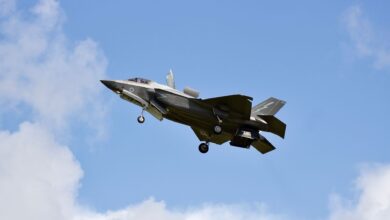
The security agreement allows for the expansion of the existing Pituffik Space Force Base, the northernmost US military installation, which functions as a key component of the early warning system for approaching missiles. The deal also permits the creation of additional bases at locations known as Narsarsuaq and Thule (referred to in the source as Mestersvig, a historical name for the area). Any of the three parties can propose the establishment of additional “defensive zones,” provided they receive approval from the other sides. The agreement, which has no expiration date, also prohibits non-NATO countries from establishing bases on the island without the consent of the signatories.
Diplomatic Context
This development follows a period of heightened tension in January, during which President Trump repeatedly asserted that the US required Greenland for national security purposes and that Denmark could not be a reliable guarantor of the island’s defense. These statements led to significant strain in relations between the US, Denmark, and European allies. The recent security pact appears to have addressed some of these concerns by formalizing American access and defensive rights, potentially de-escalating the earlier diplomatic crisis.
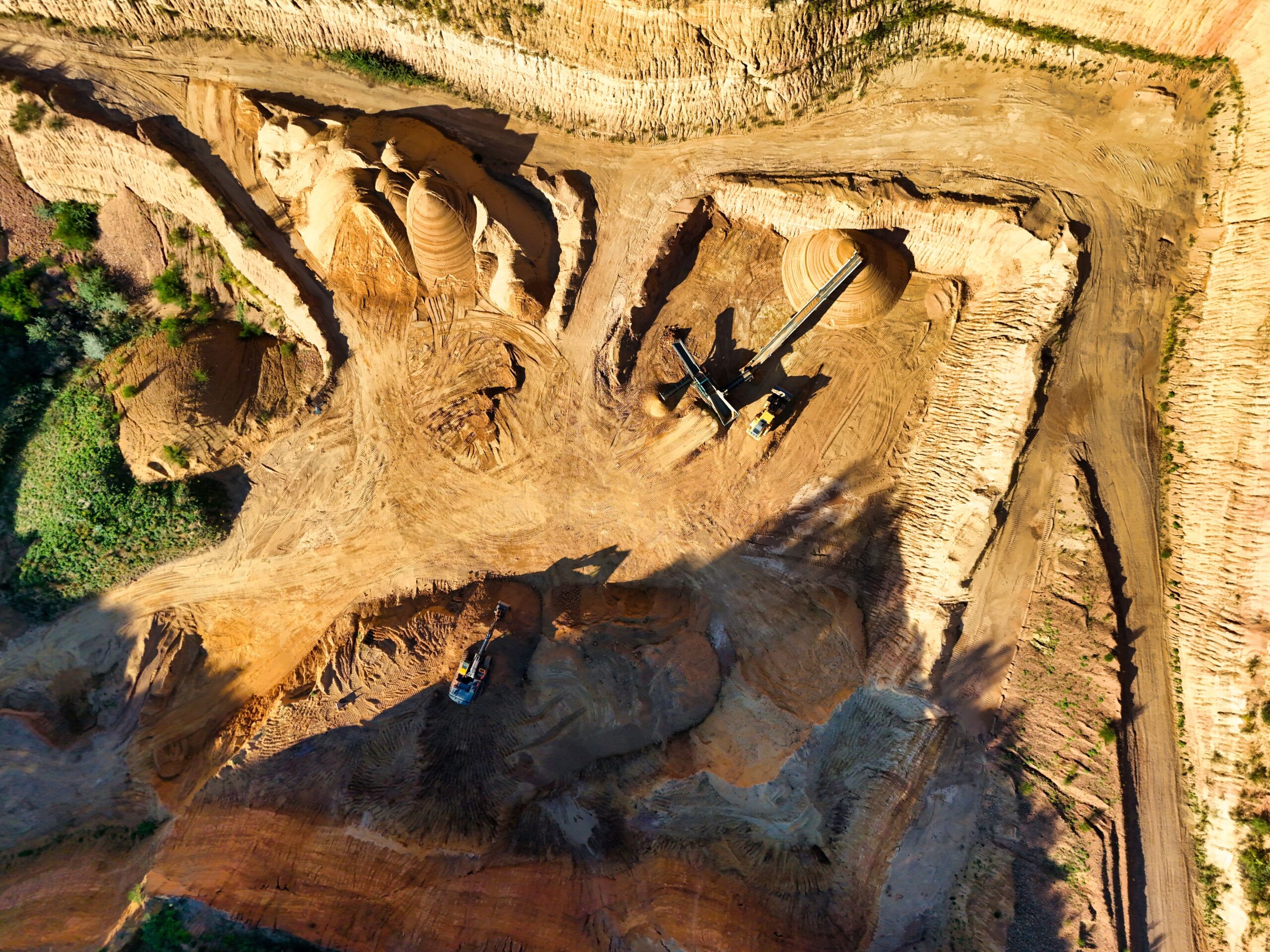
The focus on mineral and energy resources adds a new dimension to the US-Greenland relationship. While the strategic military value of Greenland’s location in the North Atlantic has long been recognized, the explicit mention of large-scale resource exploration signals a shift toward economic engagement. The claim that Greenland holds substantial easily accessible oil reserves, if verified by the cited experts, could have significant implications for global energy markets and Arctic geopolitics. However, the lack of specific details in the presidential announcement means that the practical execution of these plans remains uncertain.
For the US, the combination of enhanced military infrastructure and potential resource access solidifies its strategic footprint in the Arctic. For Denmark and Greenland, the agreement balances security guarantees with the potential for economic development, though the terms of resource cooperation remain vague. The absence of a fixed term in the security deal suggests a long-term commitment by all three parties to maintain this specific framework of cooperation and restriction on third-party military presence.
As the US moves forward with the stated intentions to begin exploration, the attention will now turn to how these plans are operationalized. The interplay between military expansion and resource extraction in such a sensitive geopolitical region will likely remain a focal point for North Atlantic diplomacy in the coming months.