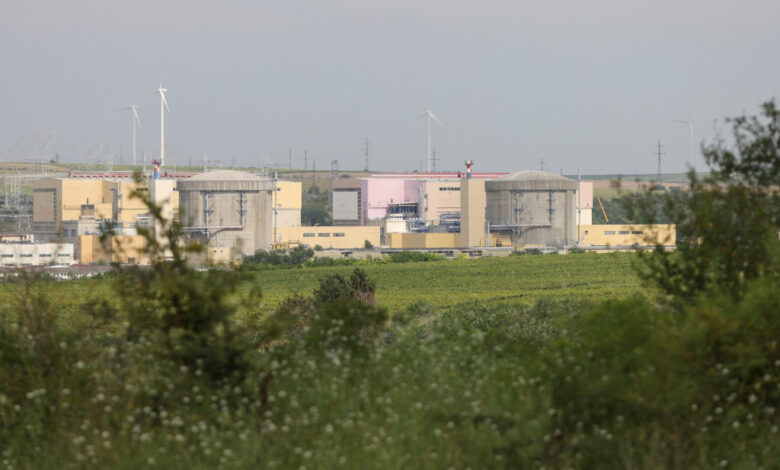
The shutdown is not the result of a mechanical failure or safety breach, but rather a direct consequence of hydrological constraints. The Cernavodă plant utilizes water from the Danube for reactor cooling. In recent weeks, scorching heat and a lack of rainfall have driven the river’s flow to historically low tides. According to an analysis by the European climate change observatory Copernicus, flow rates in nearly two-thirds of the Danube have hit their lowest levels in over three decades. Nuclearelectrica stated in a filing to the Bucharest Stock Exchange that the decision to halt Unit 2 was “determined by the continued significant decrease in the level of the Danube River.” The company emphasized that the shutdown was carried out in a controlled manner and does not pose a nuclear safety risk, but reflects the plant’s strict operational requirements regarding the availability of sufficient coolant water.
Efforts to avert a total shutdown were unprecedented. After acting Prime Minister Ilie Bolojan announced a nationwide state of alert in the energy sector on July 31, Romanian authorities undertook emergency measures to increase the availability of cooling water. These interventions included attempts to redirect the river’s flow toward the plant. However, these measures proved insufficient as the Danube continued to fall, forcing the plant to prioritize safety and operational integrity over continued generation.
With the shutdown of Unit 2, Romania is temporarily without nuclear power generation. The two reactors, each with a nameplate capacity of approximately 700 megawatts, are critical to the national grid. The Ministry of Energy stated that the country’s electricity supply would be “fully covered by alternative sources and imports.” To bridge the gap, authorities are increasing production from coal, hydropower, and wind farms while relying on cross-border electricity imports. The government has also urged households and businesses to reduce consumption during peak evening hours to manage grid load.
The timing of the restart remains uncertain. Romeo Urjan, director of the Cernavodă plant, told AFP news agency that he did not expect the facility to restart operations “within the next 10 days.” This timeline suggests that the country will depend on non-nuclear baseload and variable renewables for at least the immediate future, placing additional pressure on the electricity market. The loss of domestic nuclear generation also has regional implications, as Romania is a significant electricity supplier to neighboring Moldova. The reduced capacity may limit the amount of electricity available for export, potentially affecting regional grid stability.
The incident underscores the vulnerability of river-dependent energy infrastructure to extreme weather events. Similar difficulties have affected other nuclear facilities along the Danube, including Hungary’s Paks nuclear power plant, where low river levels have also reduced available cooling capacity. For Romania, the event highlights a developing regulatory and operational challenge: balancing the continued operation of critical energy infrastructure with nuclear-safety requirements and the sustainable management of increasingly scarce water resources. Nuclearelectrica operates under water-management authorizations that include obligations concerning water quality and environmental protection, making the resilience of this infrastructure a key concern as climate variability intensifies.
As the drought persists, the Romanian government faces the task of maintaining energy security without its nuclear backbone. The situation serves as a stark reminder of the physical limits imposed on thermal power generation during extreme hydrological events, a risk that is becoming more frequent across Europe.