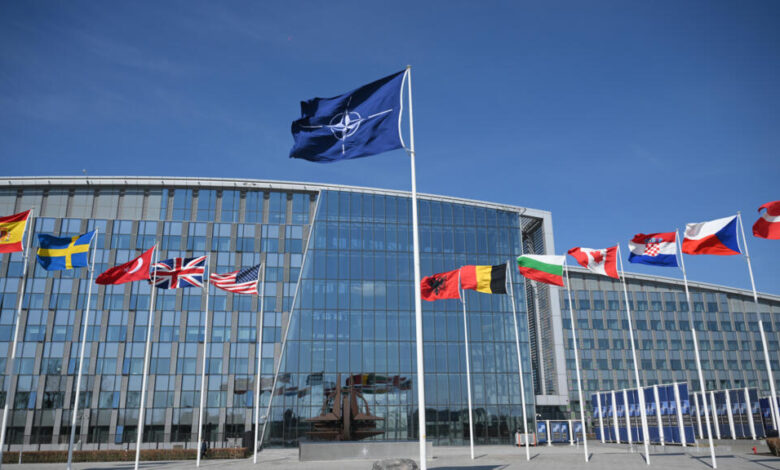
During the talks, the ministers emphasized that taking on additional security responsibilities for Europe would occur in parallel with, not instead of, their partnership with the United States. They explicitly reaffirmed Washington as an “indispensable ally,” signaling a dual-track approach that seeks to bolster European autonomous defense efforts while maintaining the cohesion of the transatlantic alliance.
The primary outcome of the meeting was a pledge for closer cooperation with Washington. By aligning their defense policies more tightly, the five countries aim to present a unified European front that complements U.S. strategic interests. This diplomatic move underscores a shift toward increased European agency in defense matters, a topic that has gained prominence as geopolitical tensions persist.
The participating nations hold significant military weight within NATO. France and the United Kingdom are permanent members of the UN Security Council and possess nuclear deterrents, while Germany, Italy, and Poland maintain large conventional forces. Their collective commitment to greater responsibility suggests a coordinated effort to address perceived gaps in continental defense readiness.
These discussions in Paris represent a diplomatic step rather than an immediate operational change. No specific new weapons systems, troop deployments, or budgetary figures were announced in the available reporting. The ministers’ statements focus on political intent and future collaboration frameworks with the United States.
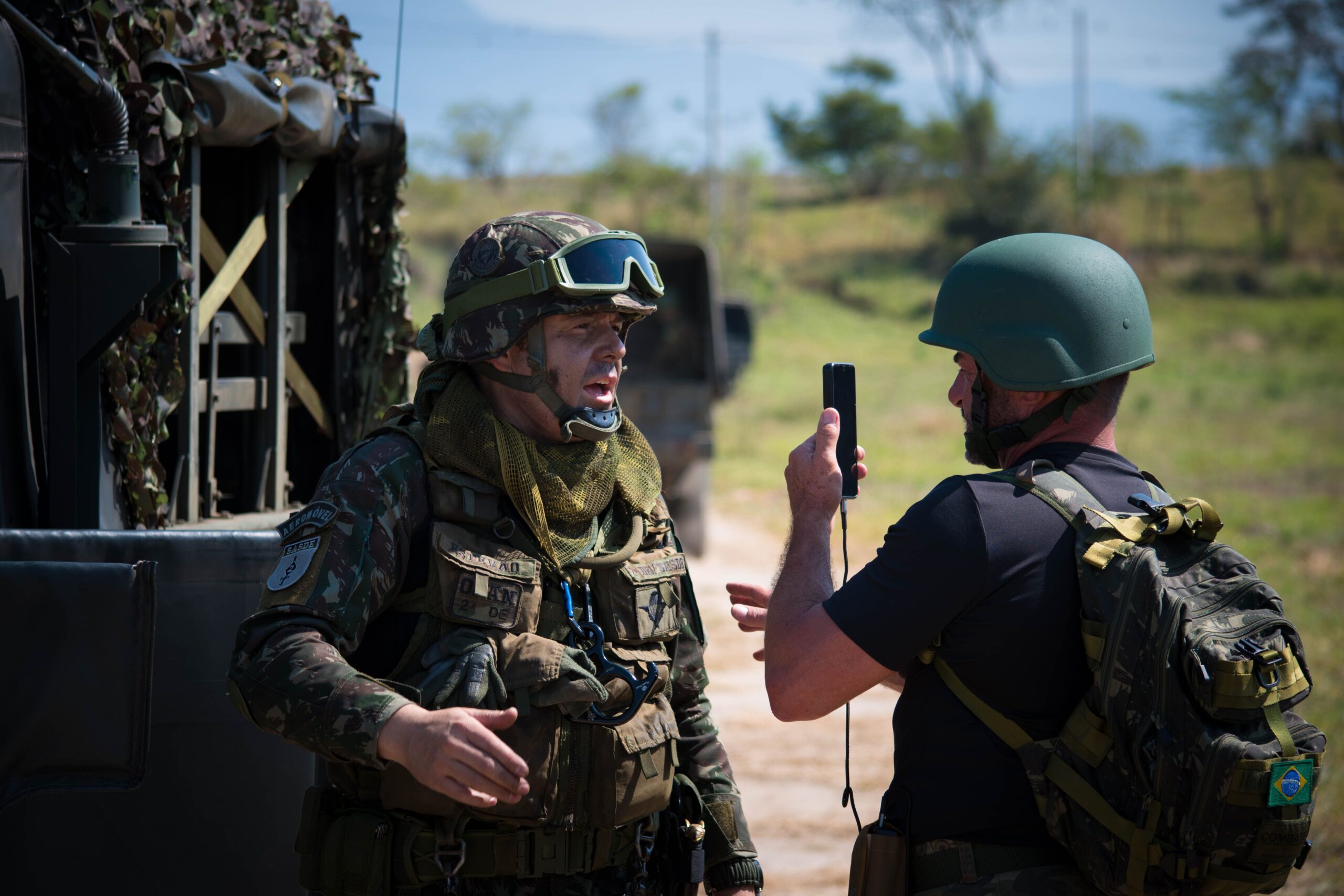
As the meeting concluded, the five defence ministers left without announcing a specific next deployment, exercise, or formal treaty. The emphasis remained on the ongoing dialogue to strengthen Europe’s defense role, with the expectation that further technical and strategic discussions will follow to operationalize the pledges made in Paris.