
The panel consists of three investigation firms—Control Risks Group, FTI Consulting (Singapore), and Kroll Singapore—and three law firms: Dentons Rodyk & Davidson, TSMP Law Corporation, and WongPartnership. Additionally, Toby Landau KC of Duxton Hill Chambers has been appointed as a legal specialist. The group brings combined expertise in forensic investigations, financial analysis, corporate intelligence, and risk advisory. Davinder Singh Chambers has been designated as the government’s adviser to coordinate the panel’s work, ensuring that evaluation reports meet the evidentiary standards required by the NEA.
The immediate legal mechanism involves the ten companies previously issued with notices under the THPA being required to engage, at their own expense, a team selected by the NEA from this panel. Each assigned team will consist of one investigation firm and one law firm or legal adviser. These teams are tasked with examining the companies’ operations, corporate relationships, and supply chains. The resulting findings will be submitted to the NEA, which will use them to determine whether further enforcement action is warranted. MinLaw and NEA noted that companies are expected to cooperate fully, and that additional members may be added to the panel if necessary. The authorities also clarified that certain law firms were excluded from the panel because they are currently advising the identified companies, thereby managing potential conflicts of interest.
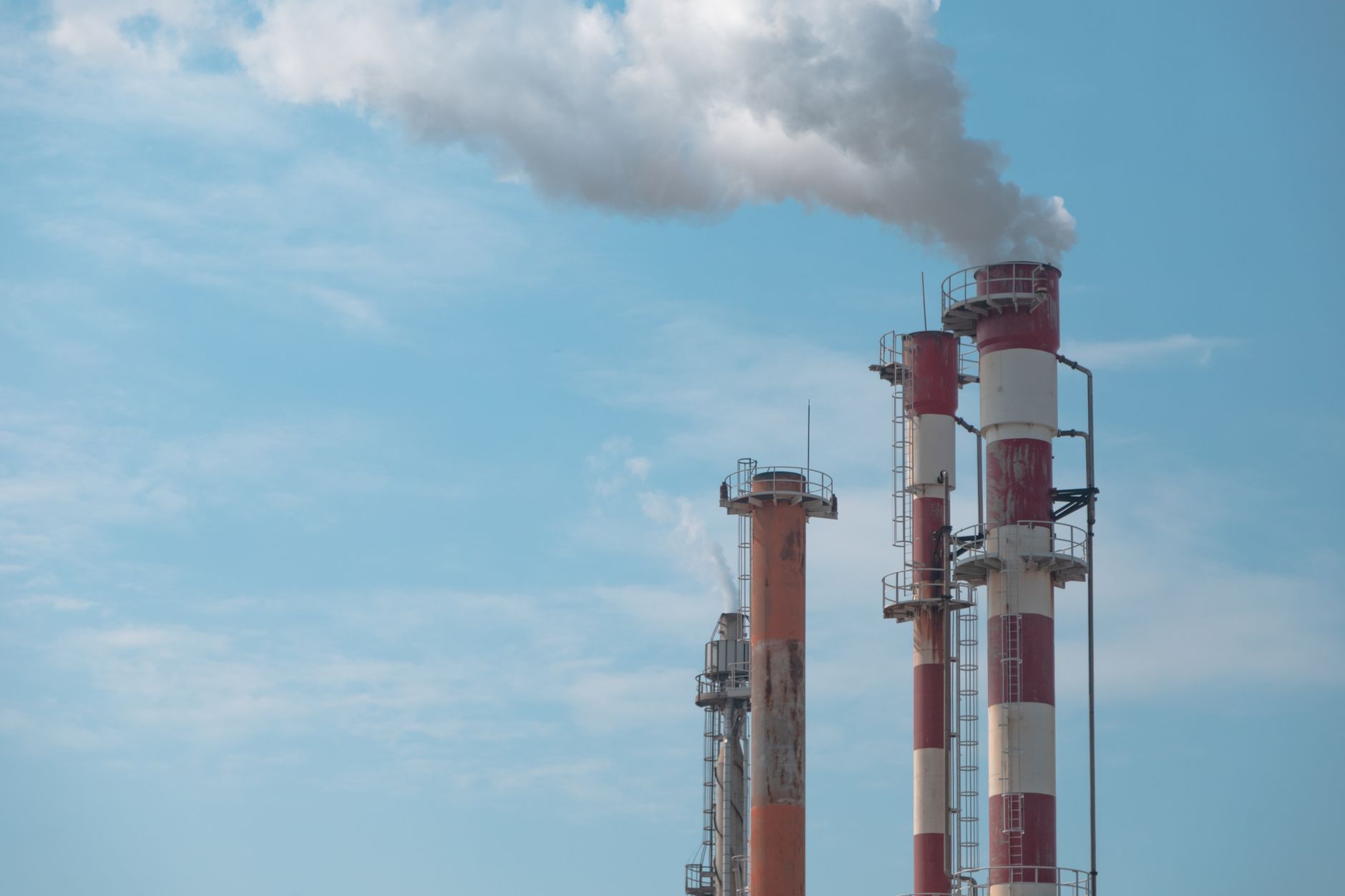
This operational framework currently exists largely through ministerial direction and the cooperation of the companies, a situation highlighted by Senior Minister K Shanmugam. Speaking after a meeting on Wednesday between senior executives of the ten companies and Deputy Prime Minister Gan Kim Yong, Senior Minister K Shanmugam, and Sustainability and Environment Minister Grace Fu, Minister Shanmugam warned that the government will pursue all available legal and regulatory avenues. “We will use all the powers we have to establish responsibility, where there is responsibility,” he stated. He emphasized that the process is designed to be impartial: if the facts show no wrongdoing, the assessment will help establish that fact, thereby addressing public and regulatory concerns.
To formalize this investigative capacity, the government intends to table amendments to the THPA at the next parliamentary sitting, scheduled for November 3. Currently, the THPA does not explicitly grant the NEA the statutory power to request firms to appoint independent investigators to study their internal operations or supply chains. The proposed amendments aim to address these enforcement gaps, providing the legal force necessary to compel such assessments and enhance corporate accountability. Minister Grace Fu stated that the objective is to “strengthen corporate accountability, and enhance our ability to investigate and take decisive action against those responsible for transboundary haze.”
The legal distinction here is critical: the THPA primarily targets pollution sources and the entities responsible for them. By mandating independent forensic and legal reviews, the NEA seeks to create a robust evidentiary record. This process distinguishes between preliminary suspicion, established factual contribution to pollution, and final legal liability. The assessments are not convictions but investigative tools that will inform the NEA’s decision on whether to initiate further legal proceedings, such as prosecution or regulatory sanctions.

Wilmar International has become the first of the ten companies to publicly announce its voluntary engagement, at its own cost, with an investigation firm and law firm from the government panel. This early cooperation may set a procedural precedent for the remaining nine companies. The broader context includes ongoing diplomatic and regulatory cooperation between Singapore and Indonesia, with both nations announcing the formation of a joint task force to hold companies accountable for forest fires causing transboundary haze.
The next formal step in this legal process is the parliamentary vote on the THPA amendments on November 3. If passed, the new provisions will provide the NEA with direct statutory authority to mandate these third-party assessments, moving the framework from a cooperative model to a compulsory regulatory one. Until then, the current assessments rely on the cooperation of the companies and the existing powers under the Act, with the NEA retaining the discretion to determine the necessity of further action based on the reports submitted by the expert panel.
