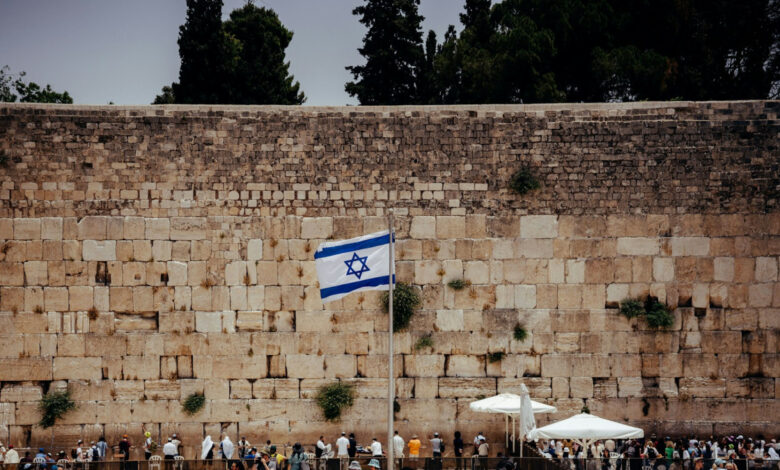
Netanyahu, as leader of the largest party, Likud, with 27 seats, remains the caretaker Prime Minister and the most likely recipient of President Isaac Herzog’s first mandate to form a government. This mandate allows for 28 days, extendable by 14, to assemble a coalition. However, the path to a government excluding Netanyahu is narrow. Eisenkot’s camp can only reach the 61-seat majority threshold by including the Arab parties and retaining the seven seats of Avigdor Liberman. With Liberman, the anti-Netanyahu coalition and Arab slates hold 67 seats; without him, they hold only 60. Liberman, who campaigned on a platform of a “Zionist parties only” government, now appears to favor an Eisenkot-Netanyahu unity government. Meanwhile, Naftali Bennett has stated he will only sit with “Zionist” parties, and Likud is amplifying warnings of the “Islamisation of Israel.”
In the days since the vote, Netanyahu and Likud have claimed the election was stolen, a strategy analysts describe as a ploy to obstruct the one coalition capable of replacing him. The party is leveraging a Shin Bet inquiry into alleged Qatari funding of Arab turnout as a central element of its narrative, although Israeli officials state the inquiry is being blown wildly out of proportion. The political stakes are high: Itamar Ben-Gvir has called for the arrest of Arab party leaders and the annulment of the result. The two primary outcomes of this standoff both serve Netanyahu’s interests. A unity government would keep him in power, while a repeat election early next year would buy him time to regroup against the opposition. This political limbo, however, occurs against the backdrop of a significant military escalation in the region.
While domestic politics focus on coalition math, the geopolitical center of gravity is shifting toward a potential confrontation with Iran. Reports indicate that Washington has told Gulf states to prepare for a short, intense U.S. offensive following the November 3 midterms. Netanyahu is reportedly operating under the constraint that he has only two years to “finish the job” against Iran, a timeline contingent on Donald Trump remaining in office. This perception of a narrowing window appears to be driving a dual-track approach: maintaining political leverage in Jerusalem while allowing military preparations in the U.S. to proceed.
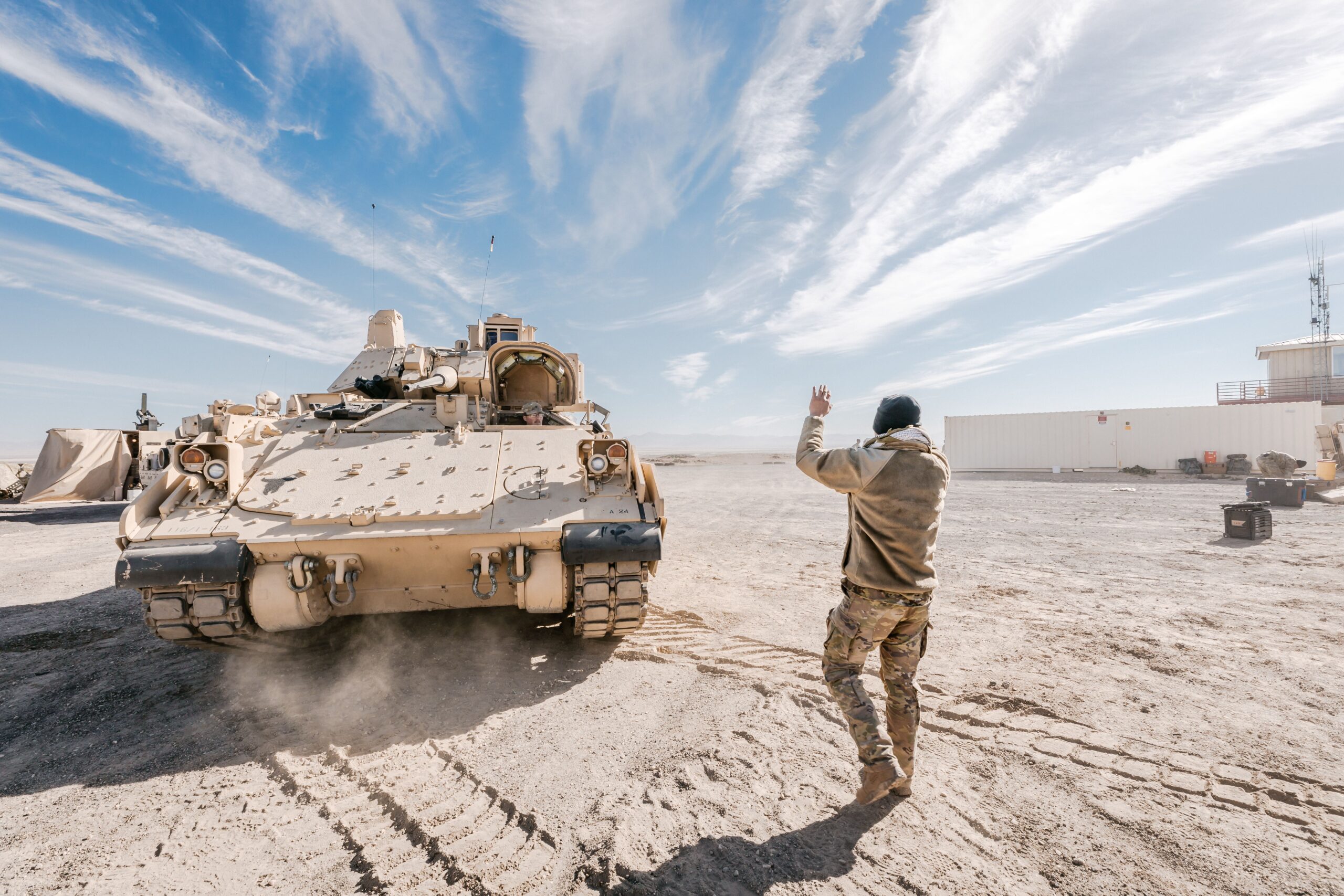
The U.S. buildup for a second round of conflict is already underway and is characterized by both offensive and defensive posturing. American forces are restocking munitions in the region, and bombers and fighter jets are being readied for deployment. On the defensive front, a Patriot missile defense system is moving from Texas to Israel. The naval presence is expanding significantly, with a carrier strike group and a Marine expeditionary unit set to join approximately 20 U.S. warships already in the Middle East in November. Simultaneously, the State Department has ordered further staff cuts at diplomatic posts across the region, a move that signals a shift toward a more militarized posture and away from diplomatic engagement in the immediate term.
The intersection of Israeli domestic deadlock and U.S. military preparation creates a volatile environment. The political maneuvering in Jerusalem, specifically the Likud effort to block a pro-Arab coalition, is not merely a domestic dispute but a strategic calculation. By preventing the formation of a government that might be more inclined toward diplomatic de-escalation or less dependent on U.S. military backing, Netanyahu ensures that the pressure for military action against Iran remains high. The U.S., meanwhile, is positioning its assets to strike quickly and intensely, suggesting that diplomatic channels may be viewed as secondary to kinetic capability in the coming months.
The significance of these developments lies in the synchronization of political survival and military action. The record Arab turnout in the Israeli election has empowered parties that are critical of the current government’s approach to the region, yet their ability to govern is being stifled by accusations of foreign funding and demands for unity with Likud. This political gridlock effectively cedes the agenda on regional security to hardline elements within the current government who advocate for a decisive strike against Iran. As the U.S. moves its carrier strike group and Patriot systems into the region, the margin for error shrinks. The next few weeks, spanning the Israeli coalition talks and the U.S. midterms, will determine whether the political stalemate in Jerusalem serves as a brake on conflict or, conversely, removes the political obstacles to a new offensive.
The immediate consequence of this trajectory is a heightened risk of miscalculation in the Middle East. The U.S. military buildup is not merely a show of force but a logistical reality that places advanced weaponry in close proximity to Iranian assets. The diplomatic staff cuts suggest that the window for negotiation is perceived as closing. For the Gulf states, which have been advised to prepare for an intense offensive, the implication is a period of heightened vulnerability and the need for defensive alignment with U.S. and Israeli interests. The deadlock in the Knesset, therefore, is not an isolated domestic issue; it is a critical variable in a regional security equation where military options are being actively prepared and political alternatives are being systematically dismantled. As the deadline for the first mandate to form a government approaches, the world watches not only the political arithmetic in Jerusalem but the movement of carrier strike groups in the Persian Gulf, both indicators of a region edging closer to a new phase of conflict.