
Geographically, the outbreak is no longer contained within a single region. Health authorities have recorded cases in eight of the DRC’s 26 provinces. This widespread distribution suggests that transmission chains have established themselves in multiple distinct areas, complicating containment efforts. The presence of cases in a third of the country’s provinces indicates that the virus is circulating beyond isolated pockets, posing a risk to broader population groups across the nation.
The distinction between confirmed cases and the total death toll is critical in understanding the severity of the outbreak. In the context of an Ebola epidemic, “confirmed” typically implies laboratory verification, though in large-scale outbreaks, case definitions may include clinically probable cases depending on the surveillance framework in place. The figure of over 5,000 deaths serves as a stark indicator of the case fatality rate under current management conditions. However, without data on the total number of suspected or confirmed cases, it is not possible to calculate the precise case fatality ratio (CFR) from the provided source material. Readers should note that in complex outbreaks, the true burden of disease may be higher if asymptomatic or mild cases are under-reported, though Ebola is generally characterized by high lethality among symptomatic individuals.
The spread to eight provinces highlights the challenges faced by health workers in tracing contacts and isolating patients across diverse and often remote terrains. The DRC has a history of Ebola outbreaks, but the geographic reach described here—covering a substantial portion of the national territory—suggests a prolonged period of community transmission. Public health interventions, including ring vaccination (if applicable and available), safe burial practices, and isolation of cases, are essential to break these transmission chains. Yet, the persistence of cases in multiple provinces suggests that these measures may be facing logistical, social, or economic barriers.
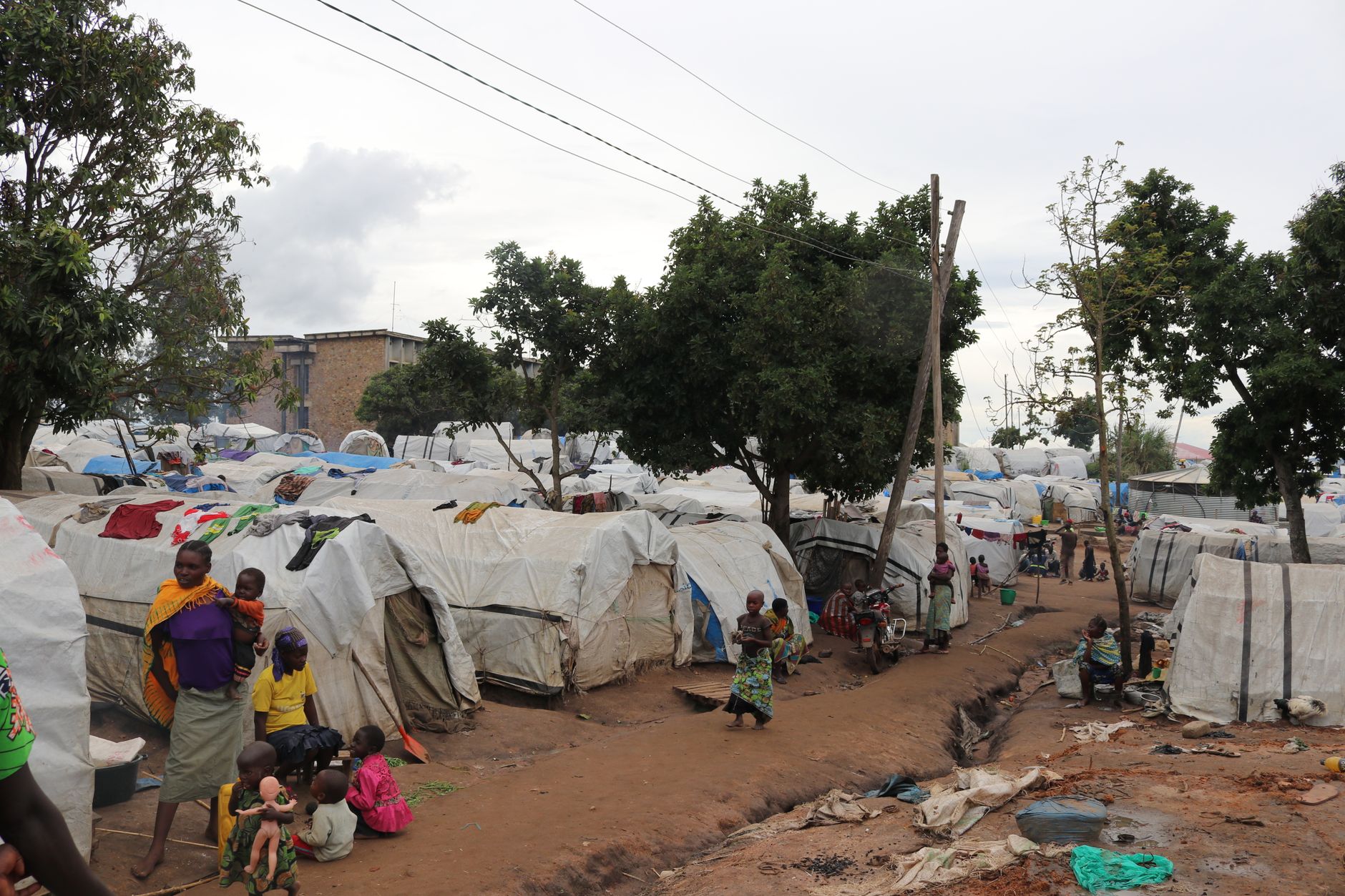
It is important to distinguish between the virus’s natural course and the impact of medical intervention. Ebola virus disease is a severe, often fatal illness in humans. The virus spreads through direct contact with the body fluids of infected people, including blood, vomit, and stool. There is no evidence from the provided source that the outbreak is linked to a specific new variant; rather, the focus is on the cumulative human cost and geographic spread. The lack of detailed clinical data in the source material means that specific treatment protocols, vaccine efficacy in this specific wave, or changes in viral virulence cannot be assessed. The primary metric provided—death toll and provincial spread—points to a crisis of scale rather than a change in the fundamental biology of the pathogen.
For the general public and international observers, the key takeaway is the magnitude of the loss of life. More than 5,000 deaths is a humanitarian catastrophe. The involvement of eight provinces means that the economic and social fabric of these regions is likely under severe stress, with healthcare systems potentially overwhelmed. International aid and funding become critical to support local health workers who are on the front lines of this emergency. The situation remains dynamic, and while the current data paints a grim picture, the absence of information on current daily case incidence or new provincial expansions leaves the trajectory of the outbreak’s next phase uncertain.
The available evidence is limited to aggregate mortality and geographic distribution. It does not provide insight into the demographic breakdown of victims (age, gender), the specific modes of transmission in each province, or the specific strain of Ebola involved. Therefore, while the numbers are definitive regarding the past impact, they do not offer a complete picture of the current operational challenges. Future updates will be crucial to determine if the outbreak is beginning to decline or if it is expanding into new areas. Until further data is released, the focus remains on the verified loss of over 5,000 lives and the need for urgent, coordinated health responses in the affected provinces.

The distinction between “suspected” and “confirmed” cases is vital in epidemiology. In this report, the focus is on the final tally of deaths, which are presumably confirmed or highly probable given the high lethality of the disease. The spread to eight provinces is a factual observation of case recording, not necessarily an indication of uniform severity in each area. Some provinces may have experienced brief spikes, while others may have sustained transmission. Without granular data, the comparative impact on each of the eight provinces remains unknown. The primary public health concern, as evidenced by the source, is the sheer volume of mortality and the geographic dispersion of the risk.
As the situation develops, the next critical updates will likely involve changes in the number of affected provinces or shifts in the daily case count. The current data serves as a baseline for the severity of this particular phase of the outbreak. The international community and local authorities must continue to prioritize transparency in reporting to ensure that resources are directed to the areas with the greatest need. The tragedy of over 5,000 deaths stands as a testament to the destructive power of Ebola and the ongoing struggle to control it in resource-limited settings.
