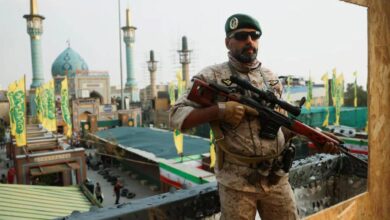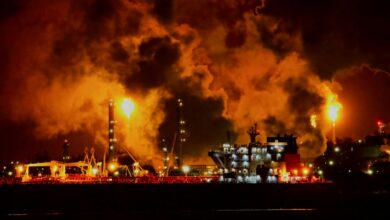

The diplomatic rupture follows a week of heightened military tension in which Iran openly threatened non-U.S. assets in neighboring Gulf states. On Saturday, Iranian officials issued evacuation warnings for three major UAE ports, including Jebel Ali, the Middle East’s busiest, and Khalifa Port in Abu Dhabi. Iran’s Foreign Minister, Abbas Araghchi, alleged that the United States was using “ports, docks and hideouts” in the UAE to launch strikes against Iran’s Kharg Island. Tehran did not provide evidence for these claims. While no attacks were observed at Jebel Ali or Khalifa Port, Associated Press imagery showed a fire at Fujairah Port caused by debris from an intercepted Iranian drone striking an oil facility.
Iran’s stance represents a significant escalation in its ongoing conflict with the U.S. and Israel, which has entered its third week. Although Iran has previously fired hundreds of missiles and drones at Gulf neighbors while claiming to target only U.S. assets, this is the first time it has explicitly threatened a neighbor’s sovereign infrastructure. Iranian officials stated they would attempt to avoid populated areas but warned of strikes on “oil, economic and energy infrastructures” if the U.S. continues to interfere with shipping in the Strait of Hormuz.
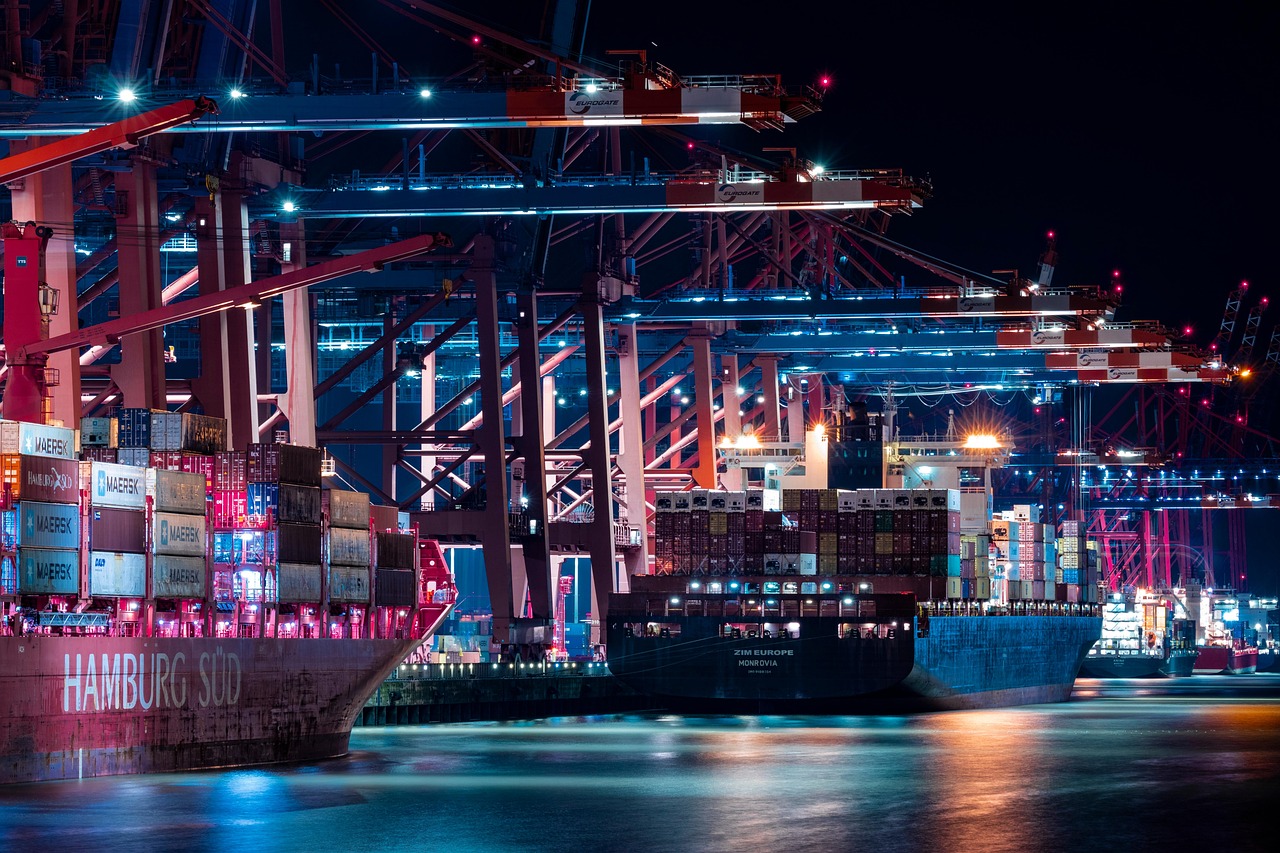
U.S. President Donald Trump stated that the U.S. had “obliterated” military sites on Kharg Island, a key hub for Iranian oil exports, and suggested further strikes on oil infrastructure if Tehran continues to impede shipping. In response, Iran’s parliamentary speaker warned that attacks on its oil infrastructure would trigger a new level of retaliation. Global concerns have mounted regarding oil supplies, with Trump urging China, France, Japan, South Korea, and the U.K. to deploy warships to keep the Strait of Hormuz open. Britain confirmed it is discussing “range of options” with allies to secure shipping lanes.
The UAE maintained that the situation remains stable, with national defense systems at their highest level of readiness. A UAE official noted that “military solutions offer no quick off-ramps to crisis with Iran.” The immediate suspension of trade underscores the severe economic consequences of the regional confrontation, while the next phase of the crisis will likely hinge on whether further retaliatory strikes are launched against Gulf energy infrastructure or if diplomatic channels can prevent a wider regional war.