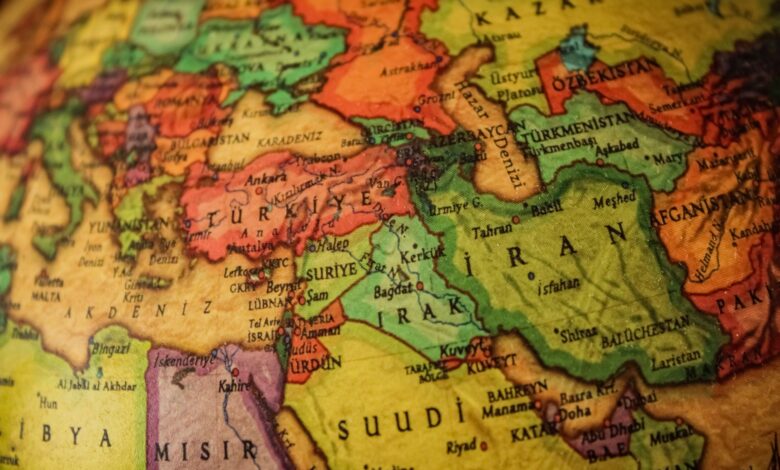
The U.S. military is maintaining an increased presence, with a third carrier strike group currently en route to the Middle East. President Donald Trump stated on Thursday that he will make a decision soon regarding further attacks on Iran. “We’re locked and loaded,” Trump said, adding, “If we have to do the rest of the Iran thing, we’re very much locked in.” While he expressed a preference to avoid destroying the rest of the country, he indicated readiness to proceed if necessary.
Market participants had initially reacted to the Democratic victory with optimism, causing crude oil prices to fall more than 16% over the last five trading days. Vice President JD Vance publicly attributed the Republican loss to the war, raising questions about internal administration support for the conflict. However, analysts note a divergence between this market optimism and the reality of deepening escalation in the Gulf. Brent crude was trading above $97 on Friday, while U.S. crude remained around $90.
Bob McNally, president of Rapidan Energy, assessed an 80% chance that fighting will resume as diplomacy stalls. He stated that President Trump is determined to prevent Iran from acquiring nuclear weapons, a goal the Iranian regime is reportedly unwilling to accept. “The escalation dynamic remains in place as long as that core difference between the U.S. and Iran persists,” McNally said. Amos Hochstein, a former energy advisor to President Joe Biden, noted that the risk of war remains alive, particularly given the current political landscape. He warned that gasoline, diesel, and jet fuel prices would surge if conflict resumes.
Legislative constraints remain limited in the immediate term. The Democrats plan to use their majorities in both chambers of Congress to pass a war powers resolution demanding an end to the war, but they are not sworn in until January. President Trump retains the ability to veto such a resolution. Helima Croft, head of global commodity strategy at RBC Capital Markets, noted that government funding expires on December 11, and negotiations for a continuing resolution could extend into 2027. While this delay would not immediately constrain military operations, it could reshape the administration’s longer-term funding outlook, providing Democrats with greater leverage once they take power.
Diplomatic efforts continue in parallel with military preparations. During a Friday phone call, President Trump discussed de-escalation efforts with the emir of Qatar. An unnamed senior Iranian official told Reuters on Thursday that Tehran had sent a nuclear proposal to the U.S. through Qatar, stating that discussions would only proceed after U.S. demands were met. President Trump dismissed these efforts on Thursday, stating, “Iran will never have a nuclear weapon.” Meanwhile, the social media account of Iran’s Supreme Leader Mojtaba Khamenei claimed that the “process of the U.S.’s collapse has accelerated” following the midterm results.