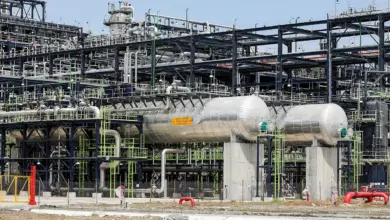

The primary driver of global market volatility has been the escalation of conflict in the Middle East, which disrupted energy infrastructure and triggered the closure of the Strait of Hormuz. This key energy distribution route’s closure has driven a surge in energy prices and heightened volatility in global financial markets. The OECD, in its March 2026 Interim Economic Outlook, noted that while the global economy was on a strengthening trajectory prior to the conflict, the geopolitical tensions have introduced significant downside risks.
Domestically, OJK Acting Chairman Friderica Widyasari Dewi outlined three policy priorities for 2026 at the Annual Meeting of the Financial Services Industry (PTIJK) in February: strengthening sector resilience, developing a contributive ecosystem, and advancing sustainable finance. She emphasized that strong economic fundamentals provide the foundation for these efforts. In its February assessment, OJK noted that the U.S. economy grew by 1.4 percent quarter-to-quarter in the fourth quarter of 2025, significantly below market expectations of 2.5 percent, while global manufacturing activity and consumer confidence had previously been improving.

The Financial System Stability Committee (KSSK), comprising the Minister of Finance, the Governor of Bank Indonesia, the OJK Chairperson, and the LPS Chairperson, continues to monitor these developments. The committee assesses that the closure of the Strait of Hormuz and associated energy price spikes are the main factors driving current volatility. Authorities are conducting forward-looking assessments to ensure the financial system remains resilient against these external shocks.
OJK’s March Board of Commissioners meeting, held on 1 April 2026, reaffirmed that sector stability remains maintained. The regulator highlighted that while global uncertainty has risen due to geopolitical fragmentation and evolving U.S. trade policies, the domestic financial sector has withstood the pressure. The focus remains on safeguarding sector integrity to support national economic growth amidst these challenging external conditions.

No specific implementation deadlines for new regulatory policies were detailed in the recent releases, but the KSSK has committed to continuing close monitoring of the conflict-resolution process in the Middle East. Investors and market participants are advised to remain attentive to further updates from Indonesian authorities as they navigate the ongoing geopolitical risks and their impact on global energy markets.