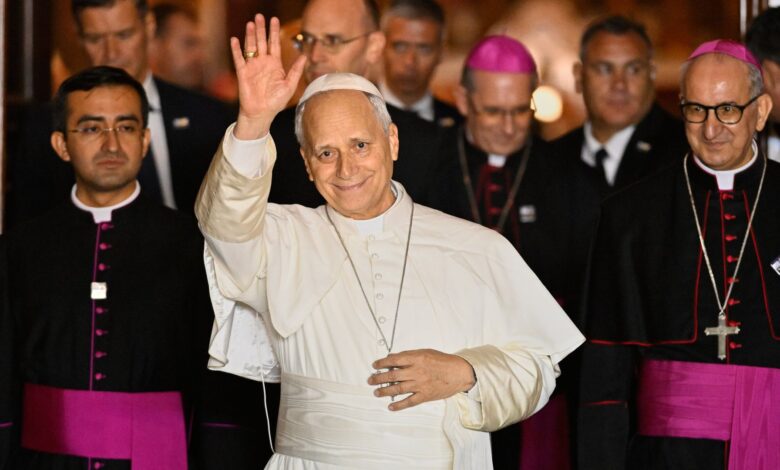
On Saturday, Pope Leo XIV addressed the faithful in a park, urging Uruguayans to be “bridge builders” and to “share the joy” of their faith. This was the second day of the 71-year-old pontiff’s 12-day tour of Uruguay, Argentina, and Peru. The visit carries significant personal weight for Leo, who underwent surgery for lung cancer just three weeks prior. In his first speech of the tour, delivered Friday in a half-empty square in Montevideo, Leo used his recent diagnosis to advocate for universal healthcare, reflecting on the “many men and women” who do not receive timely diagnosis or treatment.
The geopolitical and social context of this visit is defined by a sharp demographic shift. Latin America remains the world’s most Catholic continent, but the number of people who identify as Catholic has plummeted over the past three decades. According to a Latinobarometro poll, this figure has dropped from 80 percent to 55 percent. Uruguay, specifically, is noted as the most secular country in the region. For the Church, the challenge is no longer merely maintaining the status quo, but actively engaging a population that has largely moved away from institutional religion.
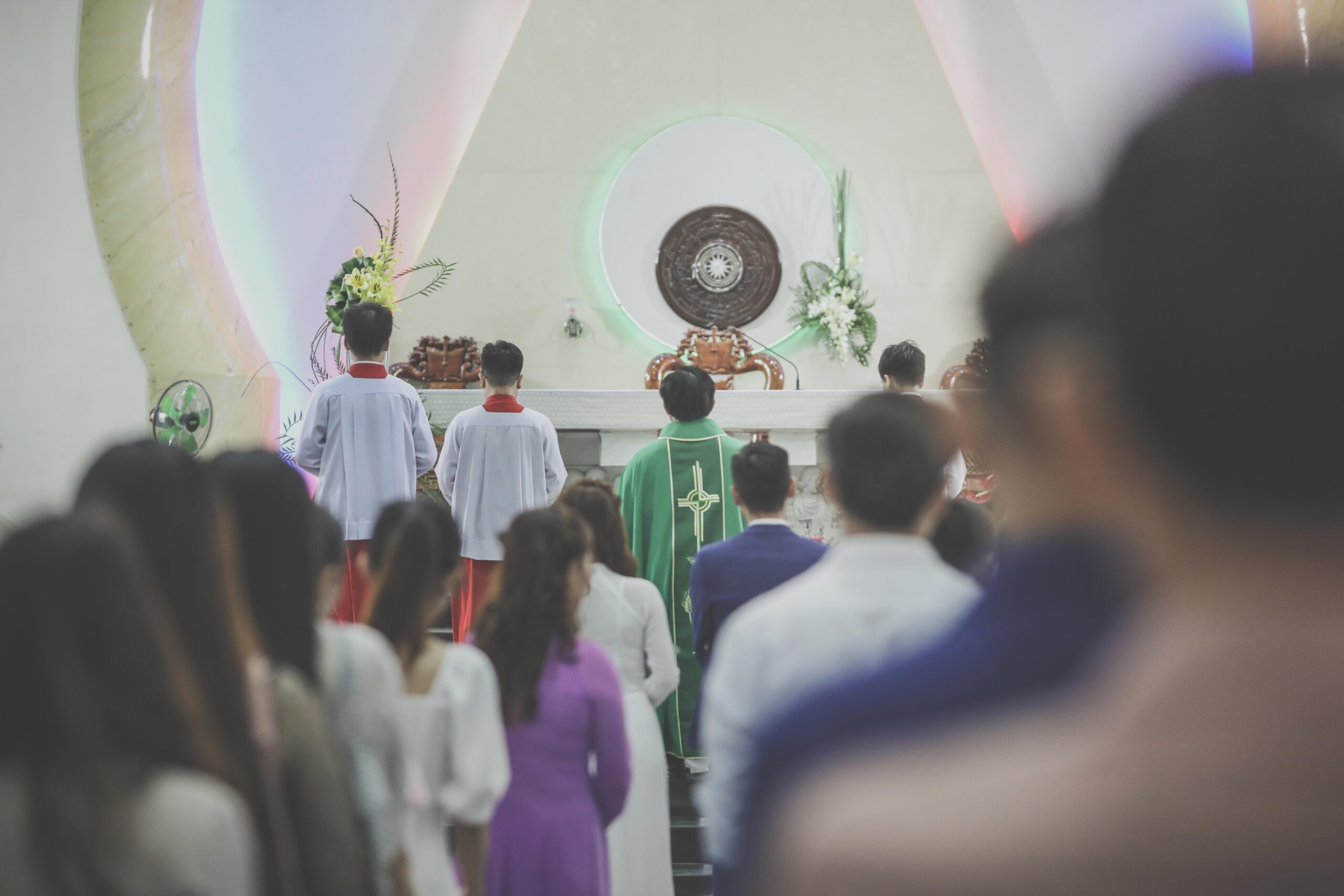
Leo’s rhetoric in Paysandu focused on community and shared experience rather than doctrinal rigidity. He engaged with local culture by paying homage to mate, a traditional herbal infusion sipped from a gourd with a metal straw. “Mate teaches us to share and be together,” the pope told the crowd, many of whom were clutching the hot drink themselves. Leo joked that the beverage “has even made its way to Rome,” a small gesture intended to bridge the cultural gap between the Vatican and the local populace. This approach aligns with his broader message of fraternity, attempting to position the Church as a supportive community within a secular framework.
However, the visit also touches upon contentious social issues. In Montevideo, Leo emphasized the importance of supporting those whose physical or mental suffering cannot be eased. Without explicitly referring to euthanasia, which was legalised in Uruguay last year, he stated that each person should be supported to “live with dignity, receive the care they need, and be accompanied until the natural end of his or her life.” The liberal government’s decision to legalize assisted suicide has been fiercely contested by the Catholic Church. Leo clarified that the Church’s goal is to “alleviate suffering whenever possible” and to impress upon the sick that “their lives always retain meaning.” This subtle but firm stance highlights the ongoing friction between state policy and religious doctrine in the region.
The tour extends beyond Uruguay into more politically complex territories. On Sunday, Leo is scheduled to travel to Argentina, the homeland of his predecessor, Pope Francis. There, he will meet with President Javier Milei, a self-proclaimed “anarcho-capitalist” and a close ally of US President Donald Trump. The relationship between the Vatican and the Trump administration has been strained; Trump publicly criticized Leo earlier this year after the pope condemned the US-Israeli war on Iran. This upcoming meeting in Argentina places Leo at the center of a diplomatic triangle involving the Vatican, the US, and Argentina, where religious authority intersects with right-wing populist politics.
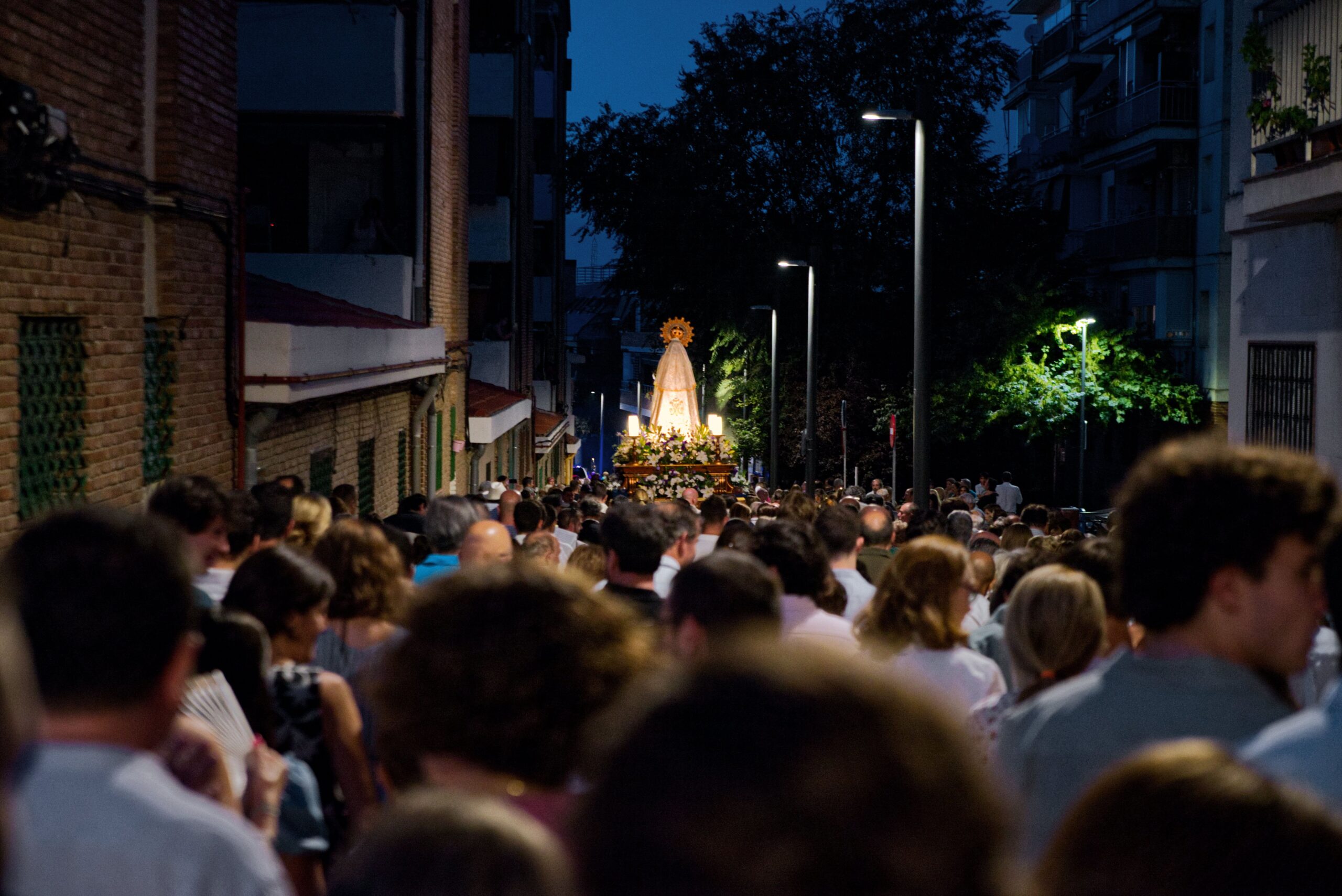
From Argentina, Leo will proceed to Peru, a country that claims him as one of its own. He served as a bishop in the Andean nation for nearly two decades and took Peruvian citizenship during his years there. This final leg of the tour represents a homecoming for the pontiff, allowing him to connect with the mission work that defined his earlier career. The tour as a whole serves as a test of Leo’s ability to navigate the declining religious landscape of South America while managing high-stakes diplomatic relationships with global powers.
As Leo concludes his time in Uruguay, he is set to return to Montevideo on Saturday afternoon. His itinerary includes a visit to Casavalle, the neighborhood with the highest homicide rate in the capital, as well as the Catholic University and the Centenario Stadium. At the stadium, he will preside over a prayer vigil for 60,000 people. This final gathering in Uruguay will serve as a capstone to his initial address, offering a public display of support before he moves on to the more politically charged engagements in his neighboring countries.